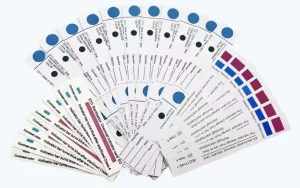
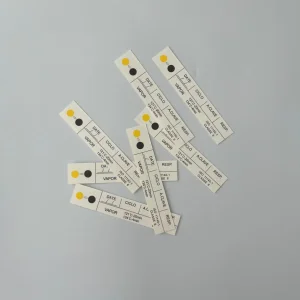
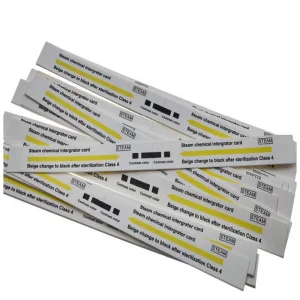
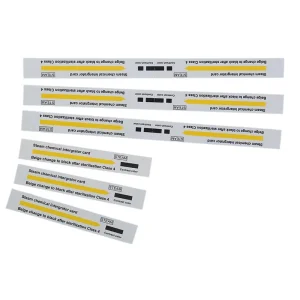
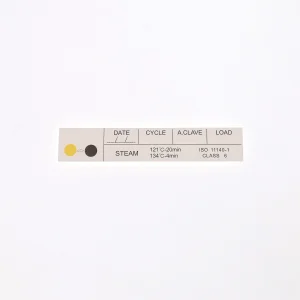
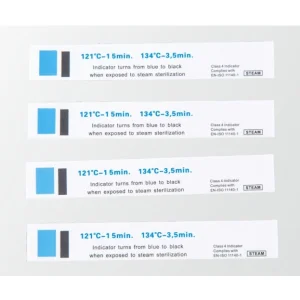
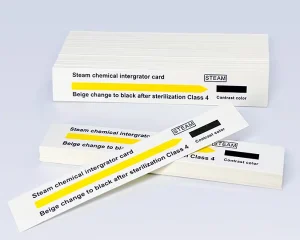
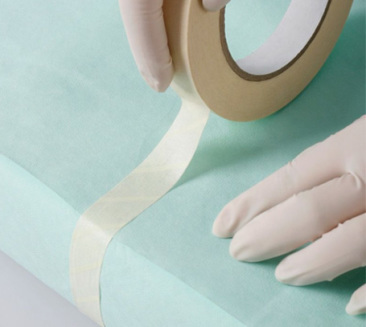
Engineered under strict ISO 11140-1 protocols, our premium chemical monitoring strips provide rapid, visual confirmation of steam penetration for hospitals, outpatient surgical suites, and advanced labs.
The Detroit metro area, historically celebrated as the powerhouse of American industrial manufacturing, has undergone a massive structural shift. Today, Southeast Michigan has emerged as a major hub for advanced clinical healthcare, biological research, and medical device fabrication. Landmark networks including the Detroit Medical Center (DMC), Henry Ford Health System, Corewell Health, and the University of Michigan Health System process hundreds of thousands of sterile surgical assemblies daily.
In this demanding ecosystem, infection prevention is not merely a regulatory checkbox; it is a critical pillar of patient safety and legal compliance. The introduction of Type 4, Type 5, and Type 6 Steam Chemical Indicators guarantees that sterilization parameters—namely steam quality, temperature, and exposure time—reach the inner core of every surgical load. As local health systems integrate digital tracking systems with physical chemical indicators, the need for high-precision, non-toxic monitoring media has reached an all-time high.
Sterilization assurance is shifting away from simple binary "color changes." Modern Central Sterile Supply Departments (CSSDs) rely on quantitative and qualitative information gain. Integrating indicators (Type 5) mimic the death curve of biological indicators, giving operators instant, high-fidelity security that critical parameters were met without waiting for biological incubator readouts.
Globally, the market for sterilization monitoring is expanding rapidly, driven by strict standards set by ISO (International Organization for Standardization) and AAMI (Association for the Advancement of Medical Instrumentation). Factories supplying these critical components must adhere to ISO 11140-1:2014 standards, ensuring that thermo-chemical inks change color uniformly under designated parameters. Detroit’s strategic location near cross-border logistics hubs makes it a critical distribution point for importing and distributing high-volume sterile consumables across the Great Lakes region and North America.
Choosing the correct indicator is essential for compliance and validation. Our technical matrix outlines the key performance indicators for Type 4, Type 5, and Type 6 strips.
| Indicator Class | Designation | Monitored Variables | Performance Profile | Best Local Application (Detroit CSSD) |
|---|---|---|---|---|
| Type 4 | Multi-variable Indicator | 2+ critical variables (e.g., Temp & Time) | Gradual color change when specific parameter thresholds are surpassed inside packs. | Standard surgical tray pack assembly inspection. |
| Type 5 | Integrating Indicator | All critical variables (Temp, Time, Steam quality) | Parallels the theoretical kill-curve of Geobacillus stearothermophilus spores. | Implant load monitoring; immediate load release validation. |
| Type 6 | Emulating Indicator | All critical variables of specific cycle | Cycle-specific verification (e.g., 134°C for 3.5 min or 121°C for 15 min). Very narrow tolerance. | Rigid container validation, specialized benchtop autoclaves in clinics. |
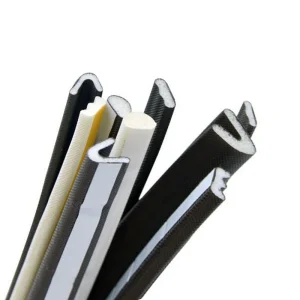
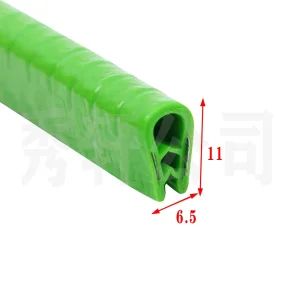
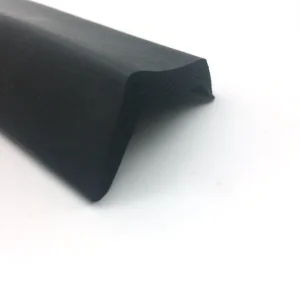
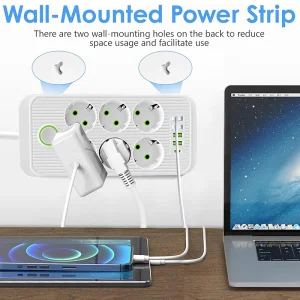
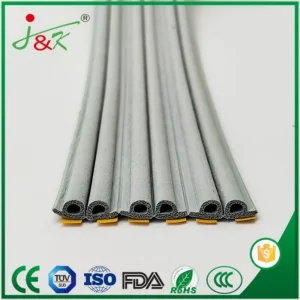
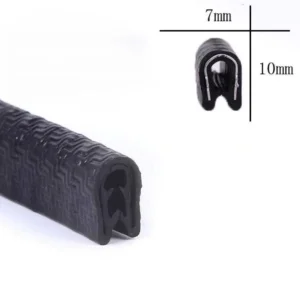
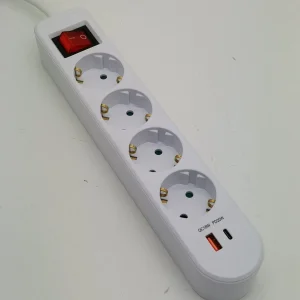
In addition to bio-medical indicators, maintaining cleanroom integrity and electronic power stability is crucial. Our specialized industrial divisions provide high-grade elastomeric weather seals and laboratory-grade power strips designed to protect sensitive equipment and maintain positive-pressure environments in Detroit bio-production plants.
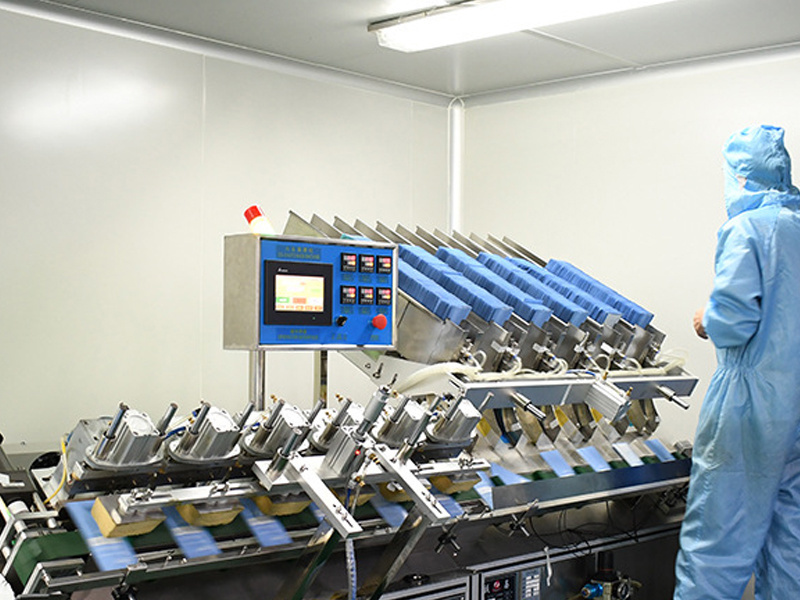
Guangdong Onyx Medical Co., Ltd. is a leading national high-tech enterprise specializing in the research, development, production, and supply of advanced materials for the personal care, medical, and electronics industries. Since its establishment, the company has adhered to a core philosophy of innovation and quality, dedicated to providing high-quality products and solutions to customers worldwide. Located in Guangdong, China, the company operates a modern manufacturing facility covering over 60,000 square meters, equipped with three Class 100,000 cleanrooms and more than 30 PLC-controlled automated production lines. This state-of-the-art infrastructure ensures that every production process meets the highest levels of precision and safety, adhering to international standards.
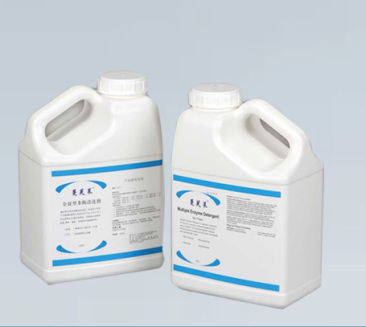
Guangdong Onyx Medical operates under the guiding principles of "Technological Innovation, Quality First," striving to establish a strong brand presence in the global market. The company places a strong emphasis on quality control while ensuring that its production processes are sustainable. With a commitment to environmental protection, resource utilization, and social responsibility, Onyx Medical has gained a reputation as a trusted partner in the healthcare, personal care, and electronics industries. The company’s advanced research and development capabilities, coupled with its efficient production systems, continue to drive it forward as a key player in these sectors. Moving forward, Onyx Medical is dedicated to pushing the boundaries of material science, providing innovative and efficient solutions for its customers worldwide.
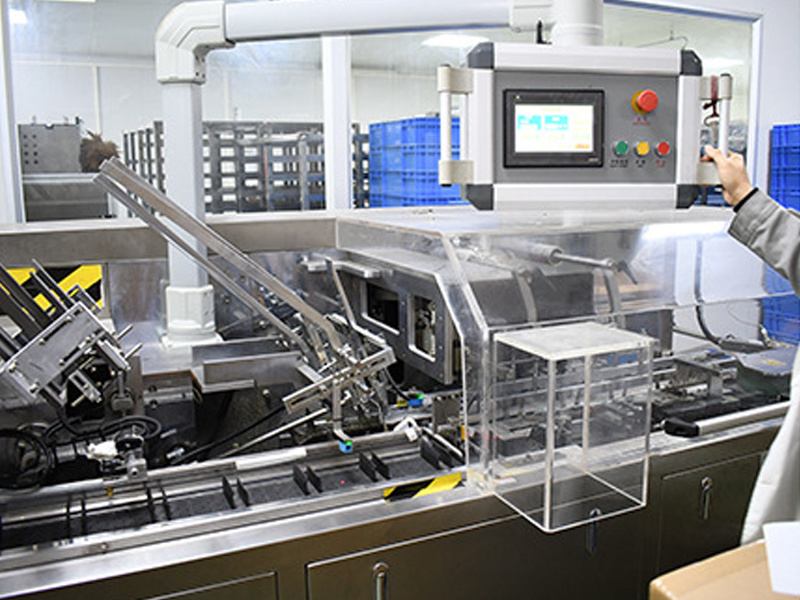
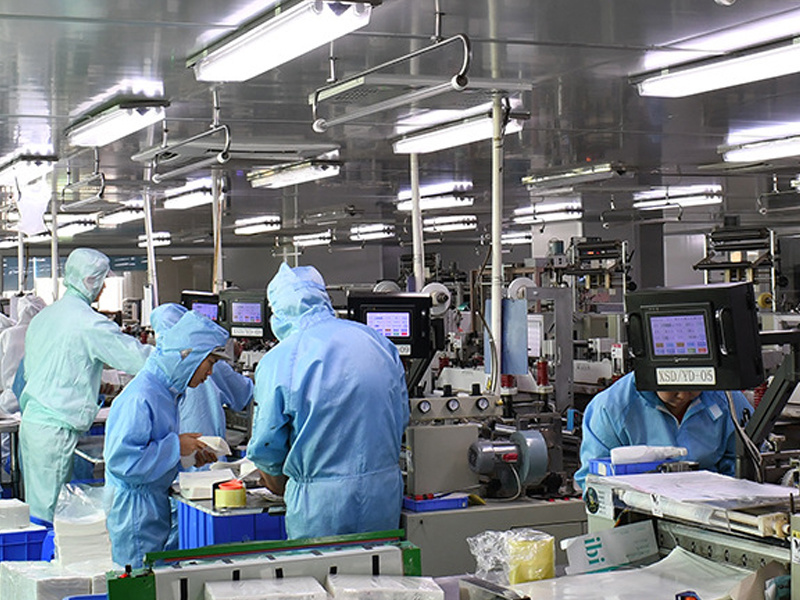
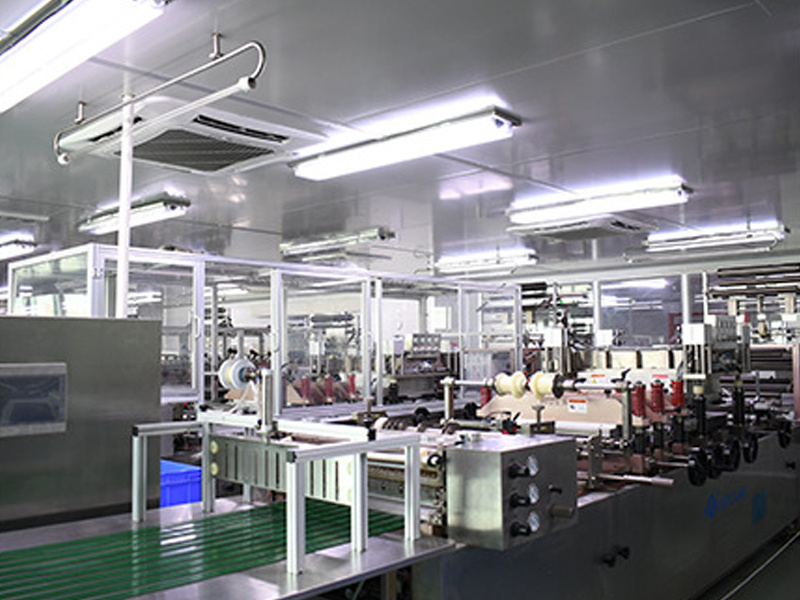
The future of medical autoclave verification lies in chemical precision and digitalization. At Onyx Medical, our chemical laboratory has outlined a technological roadmap focused on two major shifts:
Phasing out heavy metals (such as lead and barium compounds) from indicator formulations. Our new generation of indicators uses water-soluble organic dyes that are environmentally benign and present no toxicity to clinic personnel.
Developing indicators with sharp, highly distinct endpoint color thresholds that can be read by automated optical scanners in surgical units, transitioning manual data logs into electronic medical records (EMR).
Formulating indicators capable of isolating specific deviations in dry steam fraction and superheating conditions, ensuring micro-failures are captured before surgical equipment reaches the patient.
Browse our comprehensive catalog of Class 4, 5, and 6 sterilization strips and industrial profiles, sourced directly from our cleanrooms and delivered to partners throughout North America.
Expert answers regarding compliance, standard operations, and local regulatory criteria for clinical facility audits.
 Onyx Medical