Self-contained biological indicators combine the spore challenge, growth medium, and incubator-ready design in a single unit — an essential control point for hospitals, dental clinics, and laboratory services across Mulifanua and the wider Pacific.
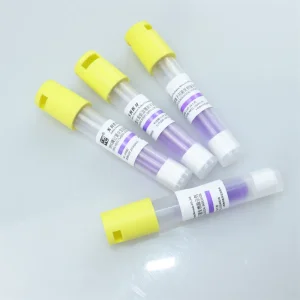
Plasma Biological Indicator for Plasma Autoclave Sterilization Medical Consumables Product
View Product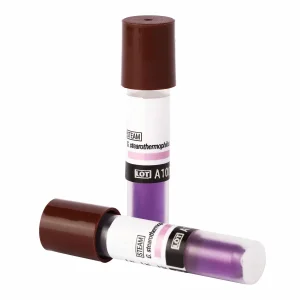
25PCS G. Stearothermophilue Atcc7953 Binfei Self Contained Biological Indicator for Moist Heat Sterilization Process
View Product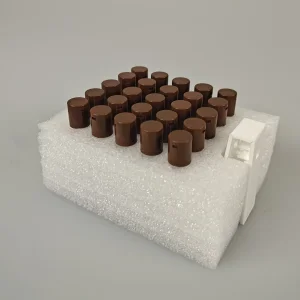
1 Hour Rapid Readout Biological Indicator for Steam Sterilization
View Product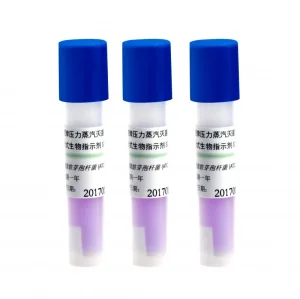
Auto Reader Steam Biological Indicator
View ProductSterilization assurance is not a regional convenience — it is a clinical safety obligation. In Mulifanua, a coastal settlement on the northwestern tip of Upolu in Samoa, healthcare delivery operates through a distributed network of district hospitals, dental surgeries, laboratory services, and increasingly private clinics serving both permanent residents and a growing eco-tourism sector. These facilities rely on steam autoclaves, plasma sterilizers, and ethylene oxide (EO) units to reprocess instruments, and they depend on self-contained biological indicators (SCBI) to verify that each sterilization cycle has truly achieved lethality against resistant bacterial spores.
Unlike chemical indicators, which only respond to physical conditions such as temperature or steam exposure, biological indicators contain live spores — most commonly Geobacillus stearothermophilus for steam and Bacillus atrophaeus for EO and dry heat — and therefore provide the closest possible laboratory-scale proxy for actual microbial inactivation. The self-contained format embeds the spore carrier, growth medium, and indicator system in a single sealed device, reducing handling risk and enabling use in facilities without a full microbiology laboratory on site.
For Mulifanua's healthcare and industrial stakeholders, the practical challenge is not merely whether to use SCBI, but how to secure a stable, standards-compliant, and cost-effective supply through a global supplier base while navigating tropical transport conditions, limited cold-chain infrastructure, and regulatory frameworks that reference ISO 11138 and ISO 14161 harmonized practices.
Content built on documented manufacturing capability, international standards alignment, and transparent sourcing — the pillars that make a supplier credible to procurement teams in Mulifanua and beyond.
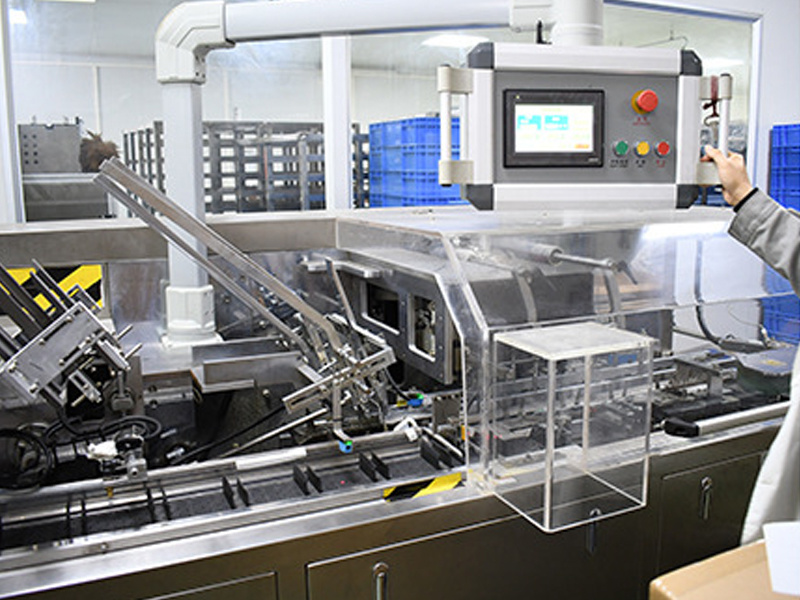
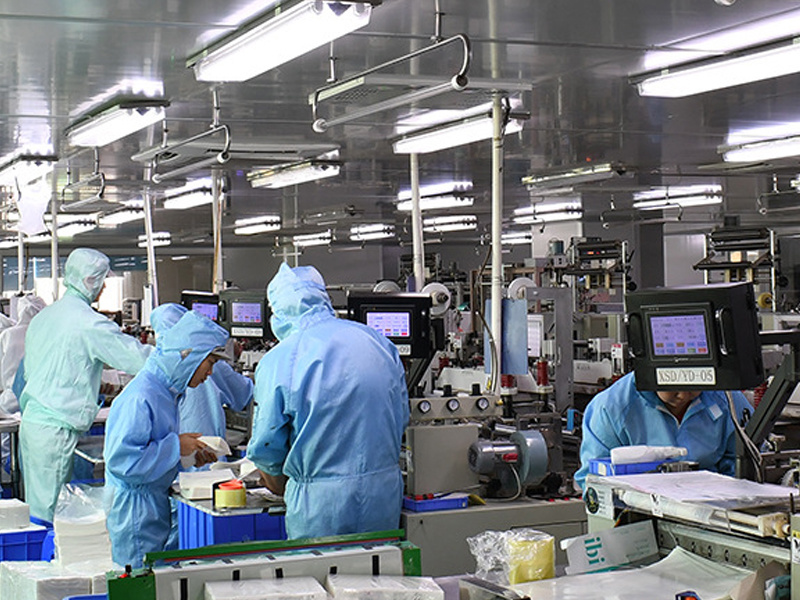
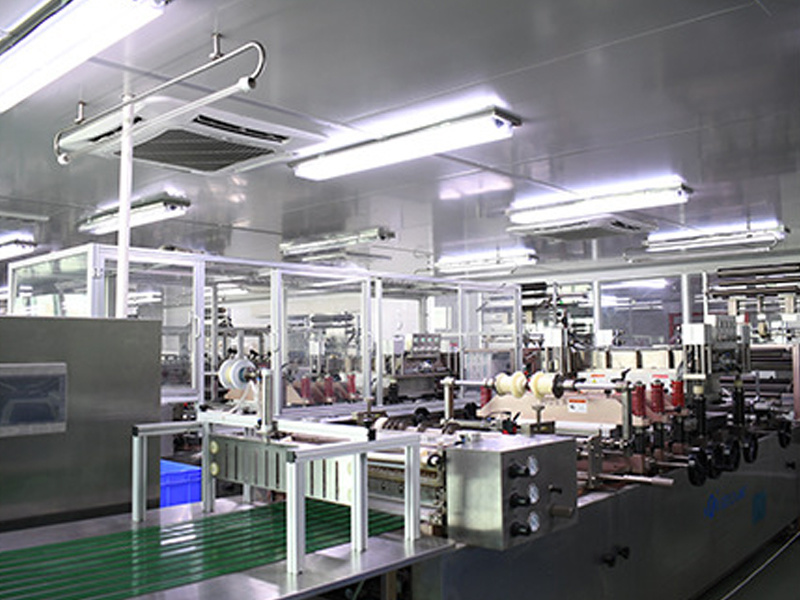
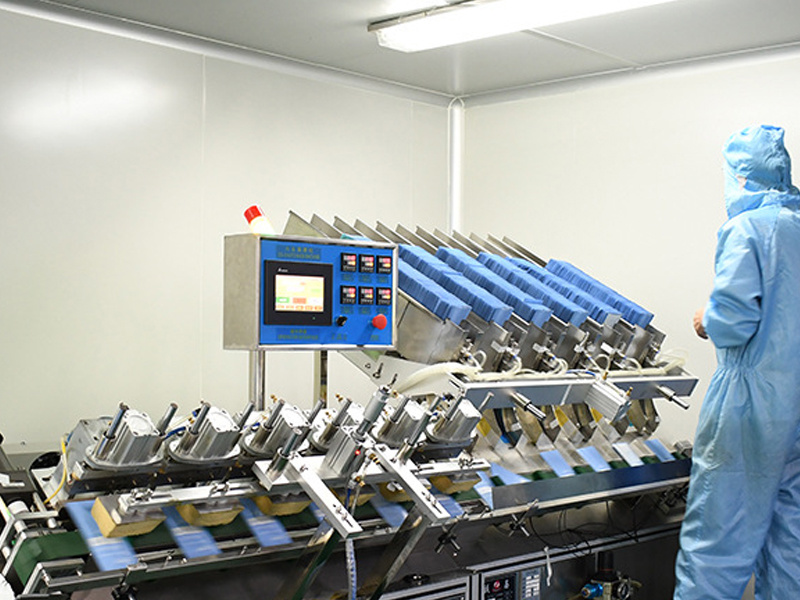
Guangdong Onyx Medical Co., Ltd. is a national high-tech enterprise specializing in research, development, production, and supply of advanced materials for the personal care, medical, and electronics industries. Since its establishment, the company has adhered to a core philosophy of innovation and quality, dedicated to providing high-quality products and solutions to customers worldwide. Located in Guangdong, China, the company operates a modern manufacturing facility covering over 60,000 square meters, equipped with three Class 100,000 cleanrooms and more than 30 PLC-controlled automated production lines. This state-of-the-art infrastructure ensures that every production process meets the highest levels of precision and safety, adhering to international standards.
For SCBI buyers, this translates into controlled spore-carrier manufacturing environments, lot-level documentation, and the process discipline required to meet ISO 11138 series expectations for biological indicators — the same frameworks used by auditors in Pacific hospital accreditation reviews.
Trust note: Onyx Medical operates under the guiding principles of “Technological Innovation, Quality First,” with a strong emphasis on sustainable production, environmental protection, resource utilization, and social responsibility — a reputation built as a trusted partner across healthcare, personal care, and electronics industries.
Mulifanua sits near Faleolo International Airport and the ferry terminal to Savai'i — a geographic position that shapes how medical consumables, including SCBI, reach the facilities that depend on them.
District-level health services, dental clinics, and private medical practices around Mulifanua and nearby Apia-facing corridors perform routine instrument reprocessing. Autoclave volumes are moderate but consistency-critical, making SCBI per-cycle verification a practical quality benchmark rather than a luxury.
Resorts and eco-tourism operators along the northwest coast maintain first-aid and minor-procedure capability. Sterility assurance consumables are increasingly specified in their supplier agreements, creating latent demand for compact SCBI kits with long shelf life and simple incubation protocols.
Import corridors flow through Faleolo International Airport and Apia port. Distributors often consolidate SCBI with broader medical consumable orders to amortize freight, making supplier flexibility on mixed shipments a decisive factor for Mulifanua buyers.
High ambient humidity and warm temperatures demand SCBI packaging that resists moisture ingress. Individually sealed, desiccant-protected formats extend viability through tropical transit.
Samoa's medical device import oversight continues to align with international norms, increasingly referencing ISO 11138 and ISO 14161 as acceptable conformity references for biological indicators.
Correct SCBI use — correct placement, incubation temperature control, and result interpretation — depends on supplier-provided training materials, which are increasingly a procurement differentiator.
The global biological indicator market is being reshaped by stricter sterility assurance audits, expansion of same-day surgery centers, and demand for rapid-readout formats. For Mulifanua buyers, this global context determines what is available, at what price, and with what lead time.
Where SCBI delivers tangible value in Mulifanua's clinical and para-clinical settings.
Central Sterile Supply Departments verify every autoclave load with steam SCBI. Daily Bowie-Dick and weekly BI challenges form the compliance backbone for surgical instrument release.
Dental chairs operate high-frequency small autoclaves. Rapid-readout SCBI at 1–3 hours allows same-day confirmation without holding instruments overnight.
Reference labs use SCBI alongside chemical and process challenge devices to validate culture media preparation, waste decontamination, and equipment qualification cycles.
Facilities using ethylene oxide for heat-sensitive devices rely on Bacillus atrophaeus SCBI, while plasma sterilizers use dedicated SCBI compatible with hydrogen peroxide vapor cycles.
Resort medical rooms performing minor suturing or instrument use can adopt compact SCBI + incubator kits for in-house cycle verification.
Mobile clinics and outreach teams operating transportable autoclaves can use SCBI to document cycle integrity before returning to central facilities.
The SCBI category is moving from passive spore challege devices toward instrumented, data-integrated sterility assurance systems.
ISO 11138 conformance, lot traceability, and documented D-value and pop-density data. Buyers in Mulifanua benefit immediately from suppliers who publish these parameters.
1-hour to 3-hour fluorescent and enzymatic readouts replace 48-hour incubation for high-turnaround environments, particularly dental and same-day surgery settings.
Fluorescence-reading instruments connected to laboratory information systems reduce subjective interpretation and automate result archival — a step change for audit readiness.
SCBI results feed into digital sterility assurance dashboards that track autoclave performance trends, technician compliance, and lot-level traceability across facilities.
Regional inventory staging in Asia-Pacific hubs and bundled consumable shipment models reduce lead-time volatility for Pacific island buyers such as Mulifanua.
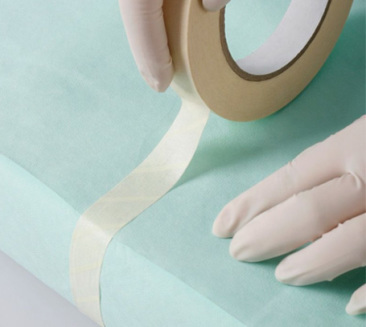
SCBI alone is insufficient. A complete program pairs biological indicators with chemical indicators, process challenge devices, Bowie-Dick tests, and sterilization tape — all sourced from a single qualified supplier reduces audit friction.
Medical incubators designed for biological indicators maintain precise 37°C and 55–60°C conditions. Bundling incubators with SCBI ensures consistent, auditable incubation conditions.
Biological Indicator Evaluation Resistometers (BIER) provide performance validation for BI manufacturers and large facilities verifying sterilizer lethality under controlled conditions.
Supplier-provided SOPs, spore-strip placement guides, incubation logs, and interpretation flowcharts turn SCBI from a purchased item into a compliant quality process.
A full range of biological indicators, rapid-readout formats, EO and plasma monitoring consumables, incubators, and BIER systems — all available for inquiry and Mulifanua distribution planning.
Plasma Sterilization Monitoring Biological Indicator Made in China
View Product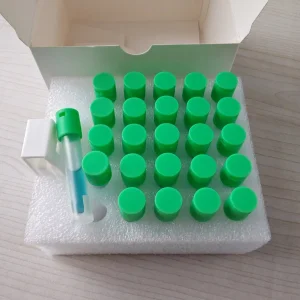
Reliable Self-Contained Biological Indicator with 48 Hours Incubation Time
View Product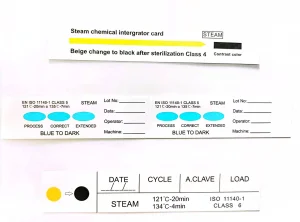
Autoclave Indicator Card Low Cost Biological Chemical Indicator for Steam Biological Indicator Made in China
View Product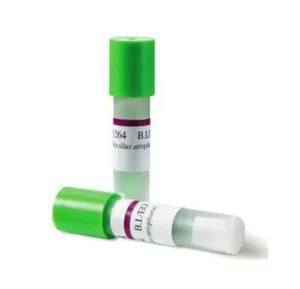
Eo Ethylene Oxide Sterilizer Biological Culture Indicator
View Product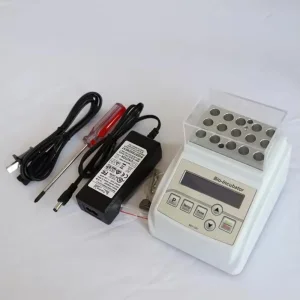
Medical Incubator for Biological Indicators in Sterilization Processes
View Product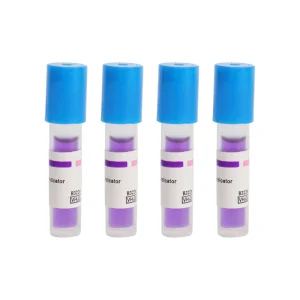
Disposable Rapid Readout Steam Sterilizer 3h Biological Indicator
View Product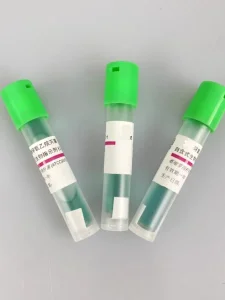
Eo Sterilization Biological Indicator
View Product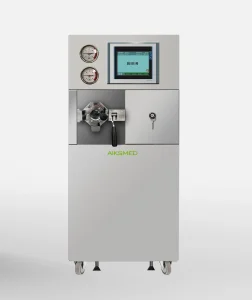
High Quality Bier (Biological Indicator Evaluation Resistometer)
View Product
Biological Indicator for Plasma Sterilization Effect Monitoring Medical Consumables for Central Sterile Supply Department
View Product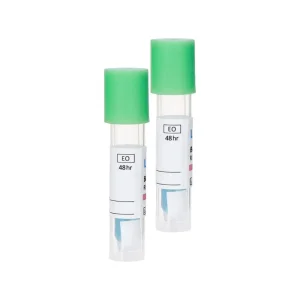
48-Hour Sterilization Eo Biological Indicator Ethylene Oxide
View Product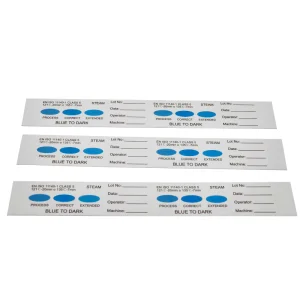
Dental Supplies Class 5 Indicator Strip Tape Biological Indicators for Chemical Steam Indicator Strip Card for Autoclave Made in China
View Product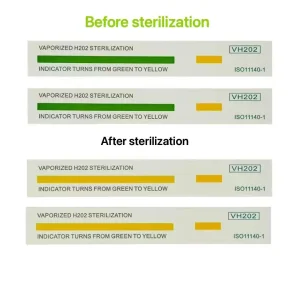
Chemical Indicators Strips for Steam Sterilization Level 4 Sterilization Biological Indicator Card Monitoring System
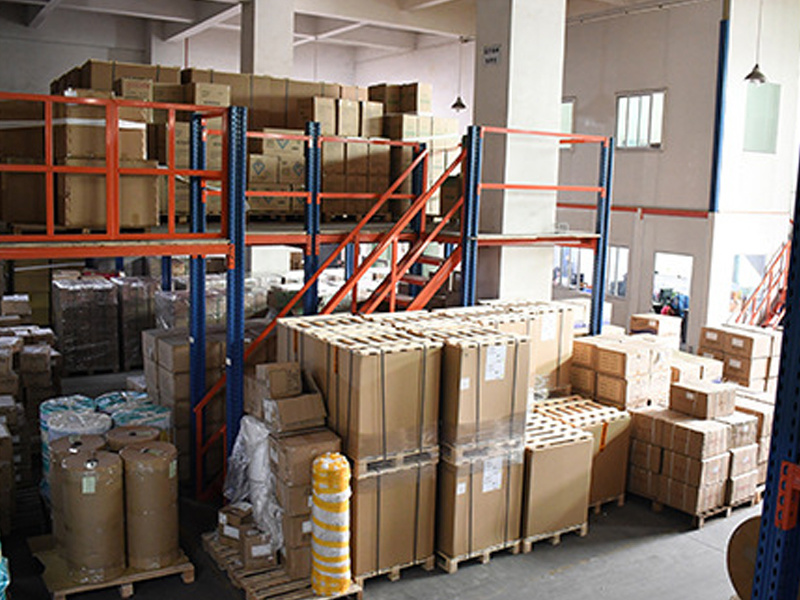
View ProductSelected production and product-line views reflecting the manufacturing capability behind the SCBI range.
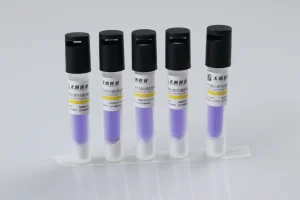
An SCBI is a single-use device that contains a standardized population of bacterial spores on a carrier, together with a growth medium and an indicator system, sealed in a self-contained unit. After exposure to a sterilization cycle, the unit is incubated; if spores survive and grow, the medium changes (usually via pH indicator color change), signaling a failed cycle. SCBI is widely used in steam, EO, plasma, and dry-heat sterilization monitoring.
Facilities in and around Mulifanua may not have an in-house microbiology laboratory capable of processing conventional spore strips. SCBI reduces handling risk, simplifies incubation, and provides a clear pass/fail readout. For clinics, dental surgeries, and district hospitals, this is the most practical sterility assurance control available without dedicated microbiology infrastructure.
Geobacillus stearothermophilus (ATCC 7953) is the reference organism for steam and other moist-heat sterilization cycles. Bacillus atrophaeus (ATCC 9372) is used for ethylene oxide and dry-heat cycles. Plasma (hydrogen peroxide) systems use dedicated proprietary or selected spore systems compatible with the low-temperature oxidative environment.
Traditional SCBI requires 24–48 hours of incubation before a definitive result. Rapid readout formats detect spore-associated enzyme activity (often via fluorescence) in 1–3 hours, allowing earlier instrument release. Facilities with high throughput or limited instrument inventory benefit disproportionately from rapid readout formats.
SCBI should be stored in a dry, controlled environment, protected from excessive heat and humidity. Individually sealed foil or pouch packaging with desiccant protection extends viability during ocean or air freight. Suppliers should provide stability data and shelf-life documentation covering tropical transit conditions.
A qualified SCBI supplier should provide certificates of analysis for each lot, D-value and population data, storage and handling instructions, and stability/shelf-life records. ISO 11138 conformance statements and traceability to ATCC or equivalent reference strains are standard expectations in hospital audits.
Yes. Guangdong Onyx Medical operates a large-scale manufacturing facility with dedicated export capability. For Mulifanua and Pacific buyers, this typically involves consolidated shipments through regional distributors, with documentation and packaging designed to withstand tropical conditions. Please contact us to discuss distribution planning, mixed shipments, and documentation requirements.
Use the “Send Inquiry Now” button anywhere on this page or visit our contact page at /contact/. Our team can advise on suitable products for your sterilizer types, volumes, and documentation requirements.
 Onyx Medical