Globally Certified Medical-Grade Autoclave Sterilization & Safety Materials
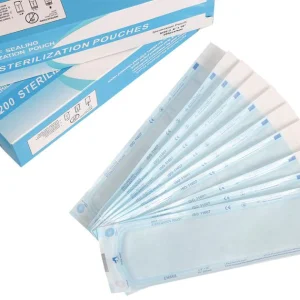

The Bedrock of Compliance, Risk Management, and E-E-A-T Standards in Chemical & Medical Supply Chains
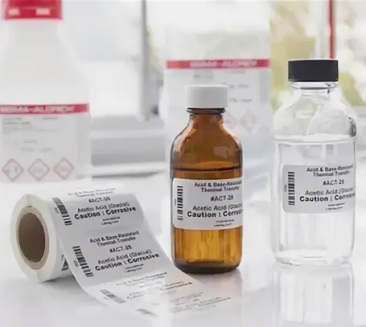
In modern manufacturing, industrial chemical processing, and healthcare sectors, the availability of highly detailed and regulatory-compliant Safety Data Sheets (SDS) is not merely a formality but a critical operational safeguard. Under the Globally Harmonized System of Classification and Labelling of Chemicals (GHS), an SDS acts as the ultimate roadmap for risk mitigation, technical chemical properties, storage protocols, toxicological profiles, and emergency response.
Understanding the standard 16-section structure required by OSHA HCS 2012 and REACH annexes to assure safety compliance across global borders.
How chemical indicators, adhesives, and polymers used in sterile environments fall under strict biocompatibility and GHS reporting requirements.
Ensuring that chemical and safety data sheets represent verified laboratory data rather than auto-generated template outputs.
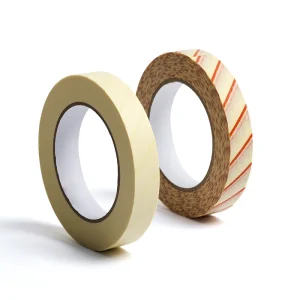
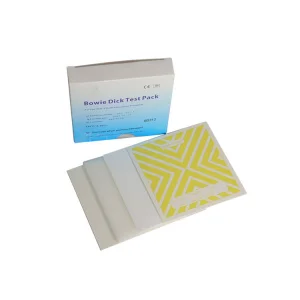
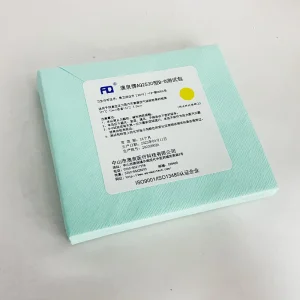
For organizations managing high-tech medical packaging, electronic compounds, and hygiene raw materials, the transparency of safety information is vital. Products such as chemical indicators (like Bowie-Dick test sheets or indicators tapes) contain chemical formulations that undergo phase shifts under steam, dry heat, or plasma exposure. An accurately structured SDS ensures that hospitals, supply chains, and terminal operations know exactly how to handle, dispose of, and manage these critical components.
Decentralized Regulation and Evolving Chemical Restrictions
Europe is continuously enforcing stricter limits under REACH regulations. Chemical indicators used in sterilizer packs, and the plastics or backings of diagnostic indicators must document the absence of substances of very high concern (SVHCs). Manufacturers must detail these down to 0.1% weight by weight (w/w) on their Safety Data Sheets. The transition to lead-free formulations on indicator inks has become a significant driver in safety compliance.
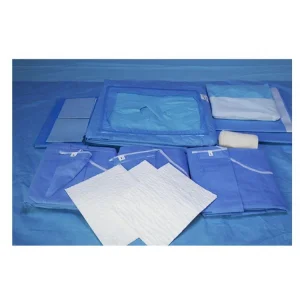
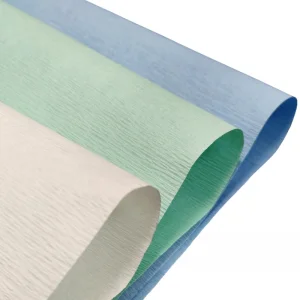
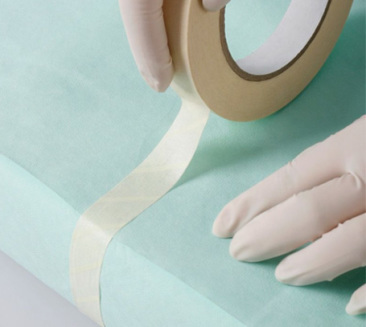
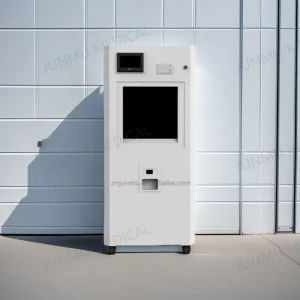
In North America, compliance with the updated GHS Revision 7 and Revision 8 guidelines is taking center stage. This requires chemical raw material suppliers to provide clearer information on hazards, including updated respiratory sensitization hazards and pyrophoric gas details, ensuring frontline healthcare workers are protected when processing medical sterilization tape and sterile drapes in autoclaves.
Emerging industrial zones across China, India, and ASEAN nations are strengthening their national chemical databases. Importers of raw materials (such as diaper adhesives or electronic substrates) must register their precise SDS drafts with state monitoring bureaus. A failure to comply can lead to substantial custom clearance bottlenecks or severe operational penalties.
An Industry Leader in High-Tech Materials & Medical Consumables
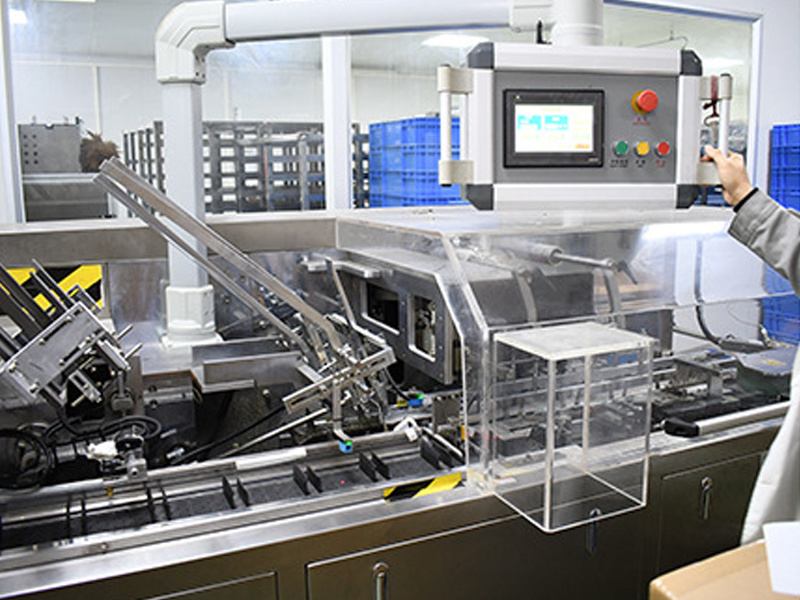
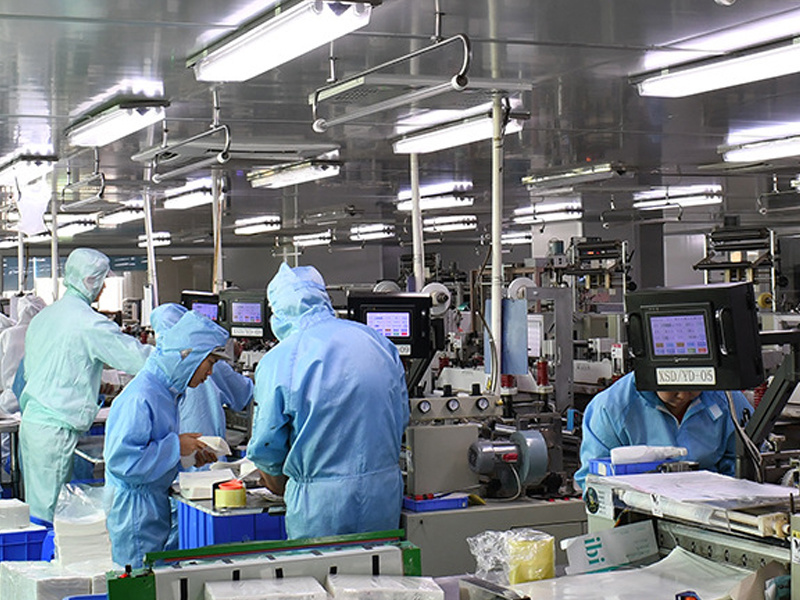
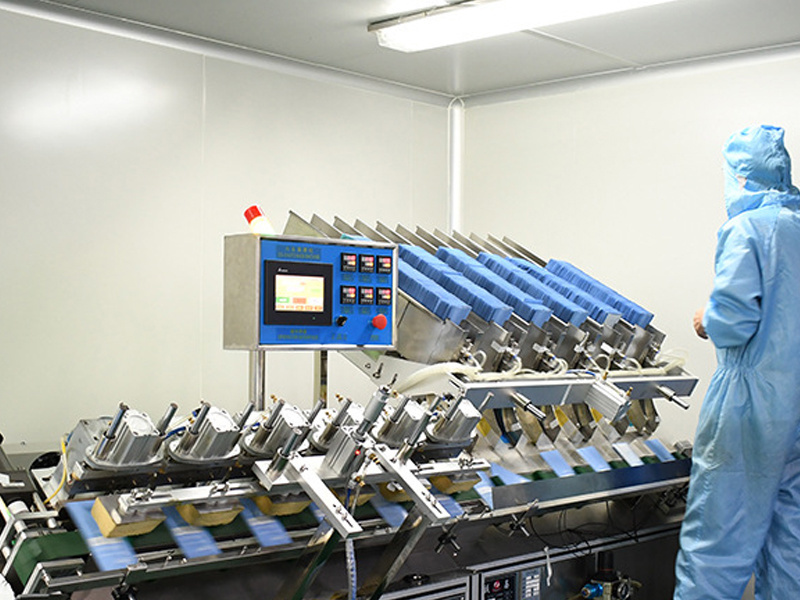
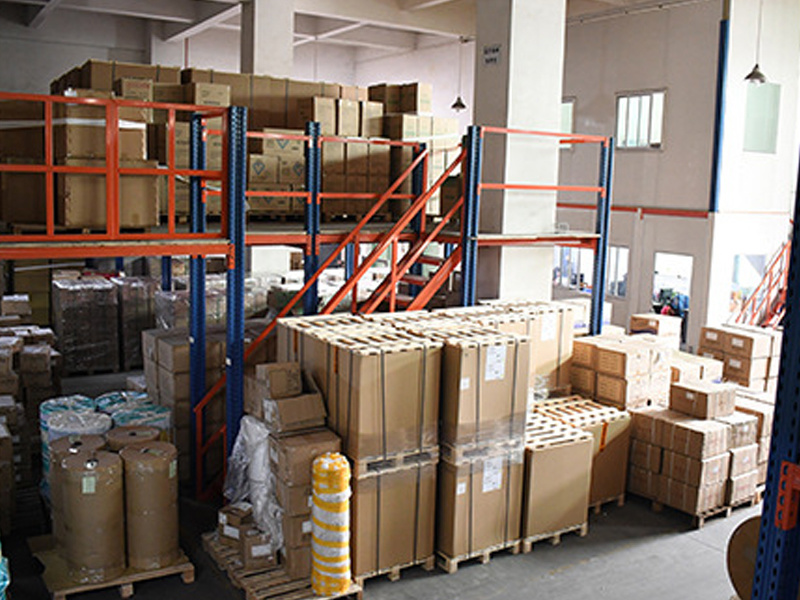
Guangdong Onyx Medical Co., Ltd. is a leading national high-tech enterprise specializing in the research, development, production, and supply of advanced materials for the personal care, medical, and electronics industries. Since its establishment, the company has adhered to a core philosophy of innovation and quality, dedicated to providing high-quality products and solutions to customers worldwide. Located in Guangdong, China, the company operates a modern manufacturing facility covering over 60,000 square meters, equipped with three Class 100,000 cleanrooms and more than 30 PLC-controlled automated production lines. This state-of-the-art infrastructure ensures that every production process meets the highest levels of precision and safety, adhering to international standards.
Our operations are structured into multiple specialized divisions, each committed to addressing the unique needs of its respective industries:
The company develops advanced biomaterials and medical sensors widely used across various healthcare sectors, including diagnostic equipment, vital signs monitoring systems, and patient care products. Onyx Medical is dedicated to continuous innovation to enhance patient outcomes and improve the quality of care.
Onyx Medical provides high-quality materials for personal care products, particularly in the infant diaper and hygiene product markets. The company ensures that its products offer superior comfort, safety, and moisture absorption, catering to the growing demand in global markets.
Onyx Medical manufactures high-precision medical sensors and control consumables that are widely used in critical medical devices. These products enhance the reliability and effectiveness of health monitoring systems, providing safer and more efficient technology support for the healthcare industry.
The company is at the forefront of research and development in biocompatible materials, with a particular focus on regenerative medicine and drug delivery systems. Onyx Medical is committed to driving breakthroughs in materials science, continuously introducing innovative products that improve patient care.
Onyx Medical also focuses on the development of next-generation electronic materials for use in consumer electronics and industrial applications. These materials are designed to offer superior performance and durability, meeting the growing demands of the global electronics market. By providing robust regulatory documentation including complete SDS verification, we assure clean assembly lines for global manufacturing partners.
Guangdong Onyx Medical operates under the guiding principles of "Technological Innovation, Quality First," striving to establish a strong brand presence in the global market. The company places a strong emphasis on quality control while ensuring that its production processes are sustainable. With a commitment to environmental protection, resource utilization, and social responsibility, Onyx Medical has gained a reputation as a trusted partner in the healthcare, personal care, and electronics industries. The company’s advanced research and development capabilities, coupled with its efficient production systems, continue to drive it forward as a key player in these sectors. Moving forward, Onyx Medical is dedicated to pushing the boundaries of material science, providing innovative and efficient solutions for its customers worldwide.

Decentralization, Digitization, and Sustainability
Static PDF Safety Data Sheets are quickly becoming relics of the past. As industry leaders push towards green manufacturing, chemical suppliers and advanced material manufacturers are transition to intelligent, digitalized, and cloud-linked frameworks.
| Phase & Era | Document Format | Dynamic Integrations | Compliance Standards |
|---|---|---|---|
| Phase 1: Traditional Compliance | PDF or Paper-based static files | Manual chemical registry databases | Basic OSHA 1910.1200 alignment |
| Phase 2: QR & Digital Linkage | Hyperlinked dynamic PDFs | Direct QR codes printed on indicator packs | GHS Rev 7 & REACH compliant documentation |
| Phase 3: AI & Smart Integration | Cloud-connected dynamic JSON datasets | AI-updated hazard indicators, instant translation | Global chemical passports & ESG-validated reports |
For instance, when utilizing advanced medical indicator tapes, hospital staff can scan QR codes directly on the packaging to access the instant SDS, verifying toxicity indices, protective equipment mandates, and recycling guidelines. This level of information transparency forms the core of Guangdong Onyx Medical's long-term product stewardship.
Optimizing Procurement Pathways and E-E-A-T Verification
When sourcing medical consumables, electronic resins, or diaper polymers, global procurers face a complex maze of conflicting national chemical listings. A product approved in North America could be held back in Germany or Japan due to mismatched toxicological reports or incomplete Safety Data Sheets.
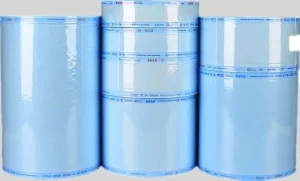
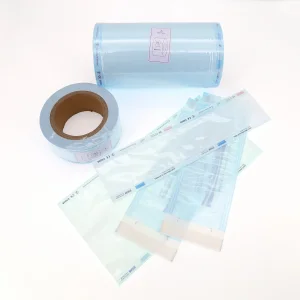
The Onyx Solution: Every product from our sterile pouches to electronic-grade adhesives comes with standardized, dual-language chemical profiles certified by third-party testing bureaus.
Before finalizing contract manufacturing agreements, global supply chain executives should verify the following capabilities:
Expert Insights on Chemical Indicators, SDS Compliance, and Sourcing Safety
Material Safety Data Sheets (MSDS) refer to old regulatory formats that varied greatly by state and country. Safety Data Sheets (SDS) are the standardized 16-section reports established under the Globally Harmonized System (GHS). Today, global suppliers must offer GHS-compliant SDS to clear international borders.
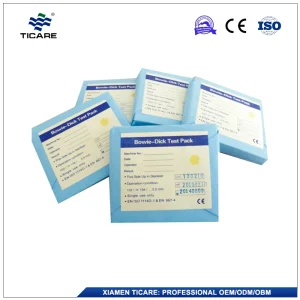
Sterilization wraps and Bowie-Dick packs contain chemical indicators that change color under heat or chemical reactions. The safety data sheets guarantee that these chemicals do not contain lead, heavy metals, or volatile organic compounds (VOCs) that could compromise surgical sterilization cycles or harm hospital staff.
Under OSHA and GHS guidelines, manufacturers must revise an SDS within 3 months of discovering significant new information regarding a chemical's hazard classification, composition, or safe handling practices.
Yes, all operations at Guangdong Onyx Medical are housed in a modern facility containing three Class 100,000 cleanrooms and run via 30+ PLC-controlled automated lines, complying with global standards for electronic, medical device, and hygiene product materials.
Industry-Leading Industrial Supplies, Sterile Testing Packs, and High-Performance Electronic Strips


 Onyx Medical