Pioneering precision-molded polymers, cleanroom-manufactured medical packaging, and high-performance sealing materials designed to meet stringent global standards.
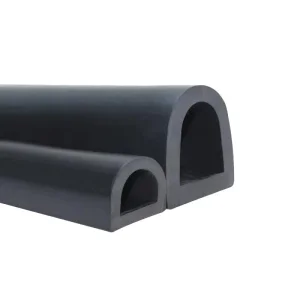
The convergence of circular polymer chemistry, high-barrier containment demands, and strict regulatory compliance across the globe.
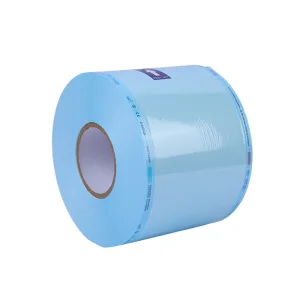
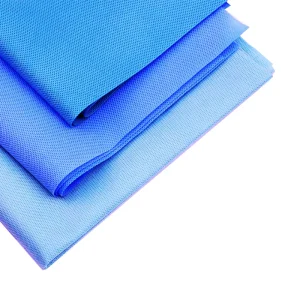
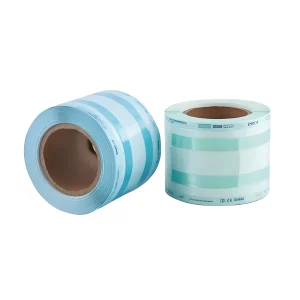
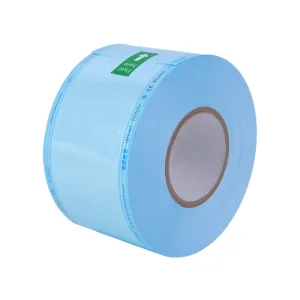
Modern applications require advanced polypropylene (PP) formulations that can withstand physical stress and thermal cycles. Polypropylene bags are no longer simple packaging items; they are essential structural barrier tools. In cleanroom environments, medical-grade PP non-woven and composite reels ensure microbial exclusion, meeting ISO 11607 sterilization specifications for the healthcare sector.
Global environmental mandates are driving B2B buyers toward mono-material structures. Recyclable homopolymer and copolymer PP bags enable a closed-loop recycling path. Leading manufacturers are investing in post-consumer recycled (PCR) resin extrusion, ensuring packaging satisfies the rigorous waste management targets in North America and Western Europe without losing strength.
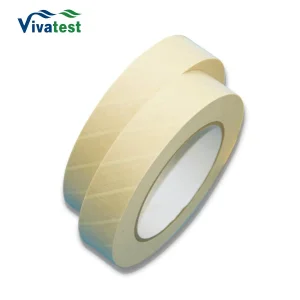
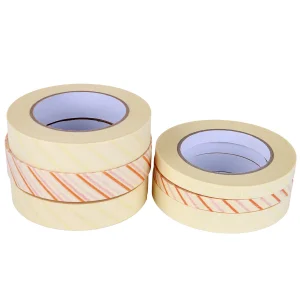
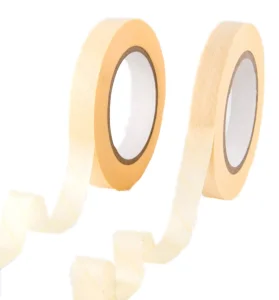
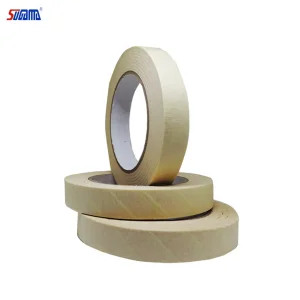
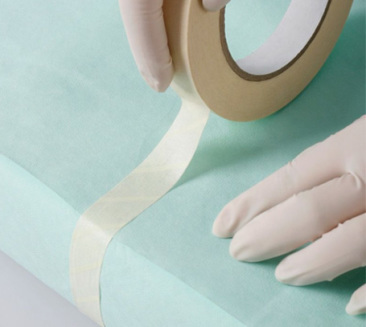
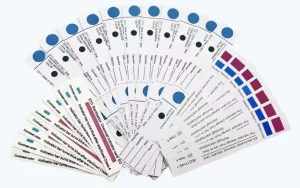
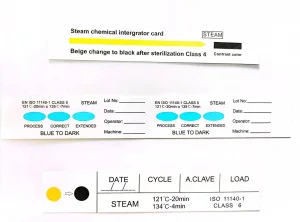
Integrating chemical and structural monitoring markers into polypropylene packaging is transforming B2B quality control. Modern sterilizable medical-grade PP reels and bags now feature advanced surface indicator tapes and strips. These chemical indicators change color upon exposure to steam or ethylene oxide (EO), verifying safety without compromising the packaging matrix.
B2B procurement has moved past simple unit-cost metrics. In today's market, buyers prioritize supply chain continuity, regulatory compliance (such as FDA, MDR, and REACH), and technical customization. Whether sourcing heavy-duty woven polypropylene bags for industrial raw materials or ultra-pure multi-layer SMMMS wraps for sterile barrier systems, working with verified, certified manufacturers is essential for managing supply chain risk.
A look at advanced manufacturing infrastructure, raw material integration, and high-performance cleanroom standards.
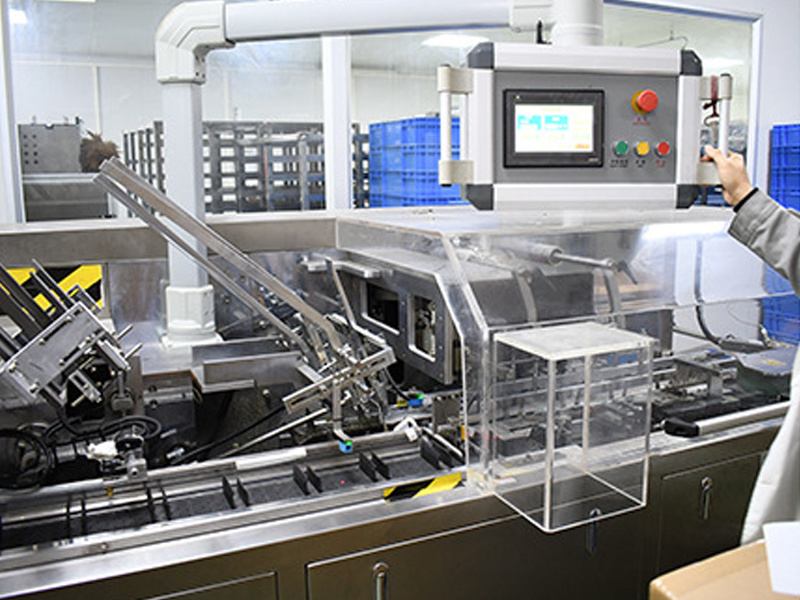
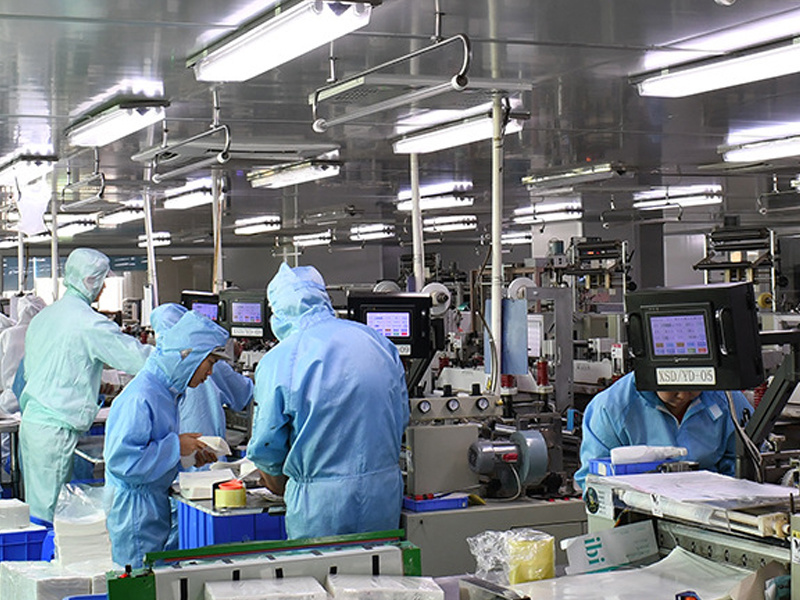
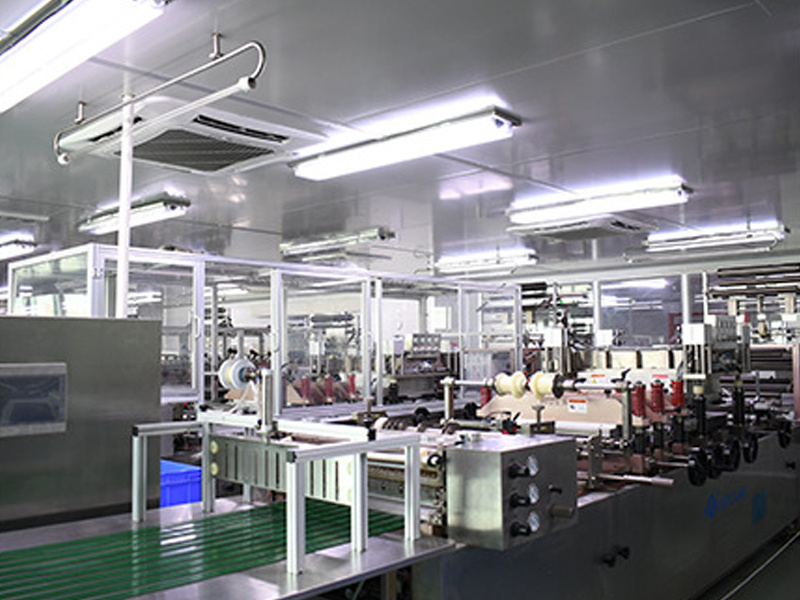
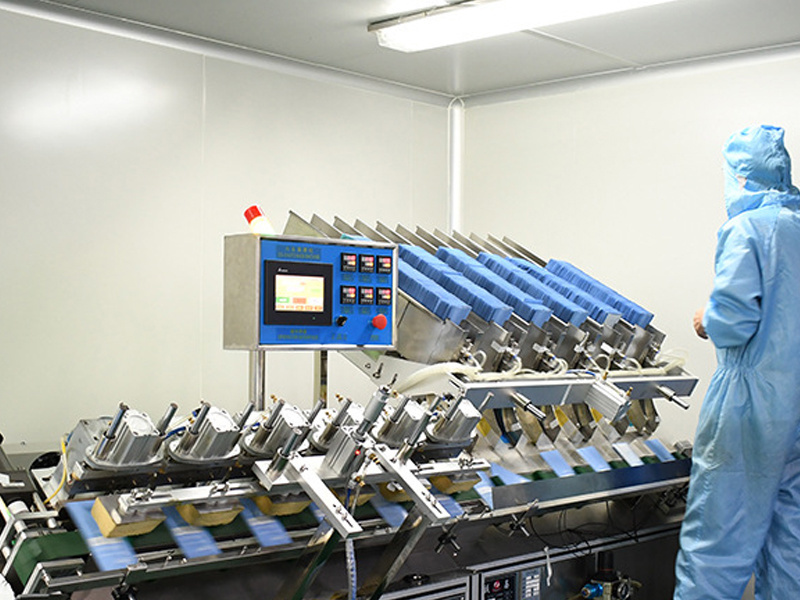
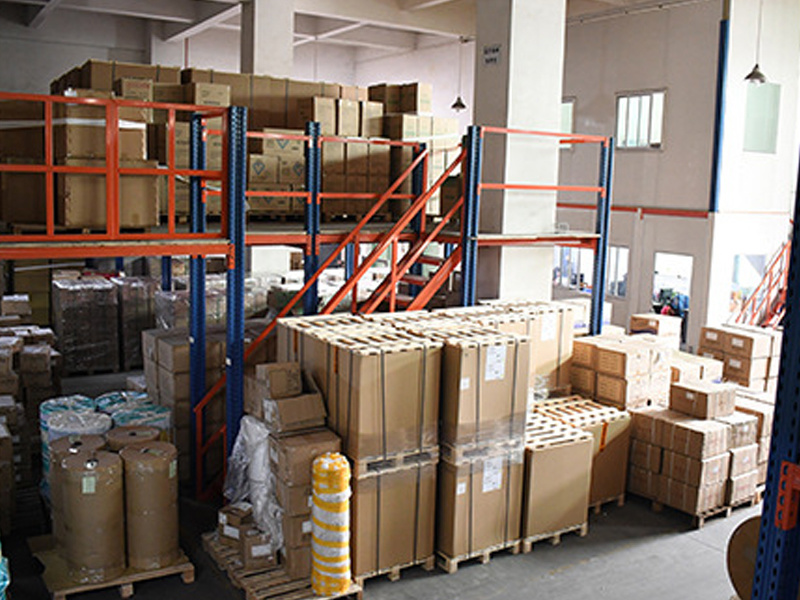
Guangdong Onyx Medical Co., Ltd. is a leading national high-tech enterprise specializing in the research, development, production, and supply of advanced materials for the personal care, medical, and electronics industries. Since its establishment, the company has adhered to a core philosophy of innovation and quality, dedicated to providing high-quality products and solutions to customers worldwide. Located in Guangdong, China, the company operates a modern manufacturing facility covering over 60,000 square meters, equipped with three Class 100,000 cleanrooms and more than 30 PLC-controlled automated production lines. This state-of-the-art infrastructure ensures that every production process meets the highest levels of precision and safety, adhering to international standards.
Guangdong Onyx Medical is structured into multiple specialized divisions, each committed to addressing the unique needs of its respective industries:
Continuous innovation fuels Onyx Medical's market leadership across specialized business divisions:
Guangdong Onyx Medical operates under the guiding principles of "Technological Innovation, Quality First," striving to establish a strong brand presence in the global market. The company places a strong emphasis on quality control while ensuring that its production processes are sustainable. With a commitment to environmental protection, resource utilization, and social responsibility, Onyx Medical has gained a reputation as a trusted partner in the healthcare, personal care, and electronics industries.
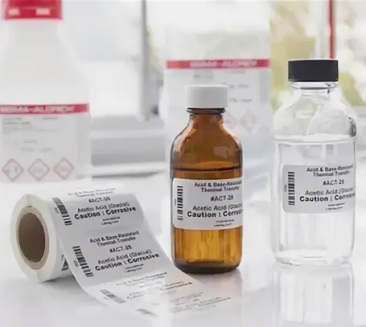
Key technical evaluations for international procurement agents sourcing industrial and medical-grade PP packaging.
Verify the origin and purity of the polypropylene resin used. Medical applications demand high-clarity random copolymers or specialized homopolymers that remain stable and clear under high temperatures (up to 134°C during autoclaving). Industrial sacks, on the other hand, require high-tensile, UV-stabilized resins to prevent tearing during transit.
For biopharma, medical device packaging, and high-purity chemicals, ensure your manufacturer runs Class 100,000 (ISO Class 8) cleanrooms. Airborne particulates can compromise the seal integrity of pouches and bags, making ISO-compliant environment controls critical.
Sealing failure is the primary cause of product contamination and loss. Modern suppliers use automatic temperature-controlled heat sealers or advanced ultrasonic welding lines. These methods ensure strong, consistent seams that withstand the physical stresses of shipping and handling.
Recent supply chain disruptions show the danger of relying on single-source suppliers or factories with limited capacity. The most reliable manufacturers combine large raw material reserves, fully automated production lines to limit labor shortages, and strong logistics networks. Partnering with suppliers in key hubs like Guangdong offers access to deep-water ports and strong local raw material networks, ensuring stable deliveries even during volatile shipping cycles.
A direct comparison of physical properties, sterilization compatibilities, and targeted applications.
| Material Type | Autoclave Temp Stability | Tensile Strength | Gas & Vapor Barrier Performance | Primary Applications |
|---|---|---|---|---|
| Non-Woven SMMMS Polypropylene | Excellent (Up to 138°C) | High (Multilayered structural layout) | Microbial exclusion, highly breathable | Sterilization wraps, surgical drapes, medical packaging |
| Woven Polypropylene Sacks | Moderate (Up to 110°C) | Extremely High (Tear-resistant) | Low (Permeable unless laminated) | Industrial dry bulk packaging, agricultural seeds, sandbags |
| High-Clarity Biaxially Oriented PP (BOPP) | Low (Deforms at high heat) | High (High structural stiffness) | Excellent oxygen & moisture barrier | Food packaging, retail clear bags, electronics protection |
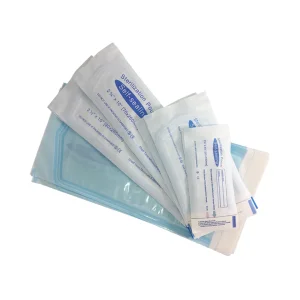
| Co-extruded PP Sterilization Reels | Excellent (Up to 134°C) | Very High (Explosion-proof seals) | Controlled permeability for sterile steam gas | Autoclave packaging, dental self-sealing bags |
How specialized polypropylene structures perform in demanding commercial and industrial environments.
In hospitals and laboratories, preventing cross-contamination is critical. Co-extruded PP film pouches and SMMMS wrapping fabrics act as high-performance barrier shields. These materials allow sterilizing agents (like steam or gas) to penetrate the package during sterilization while keeping contaminants out during storage. Built-in indicator tapes provide a clear visual check, showing that sterilization parameters have been met.
Chemical powders, granular minerals, and agriculture products need rugged, reliable packaging. Woven PP bags, which can be enhanced with inner EPDM dense seal liners or EPD elastomeric coatings, protect dry bulk materials from moisture and physical wear during intermodal shipping. Their high tensile strength prevents tears and spills, even during rough handling.
Advanced electronics require packaging that prevents electrostatic discharge (ESD) and protects against dust. Custom static-dissipative PP bags shield sensitive circuit boards, microprocessors, and optical components from static buildup and airborne particles, keeping them safe during transport and storage.
As consumer brands work to reduce single-use plastic waste, high-clarity BOPP and non-woven PP bags offer a durable, recyclable alternative. These materials provide the clarity and strength needed for food and retail products while supporting brand sustainability goals and meeting local recycling guidelines.
A quick directory comparing the key capabilities, core regions, and target markets of global industry leaders.
Region: China
Core Focus: Medical-grade sterile PP bags, sterilization reels, SMMMS packaging fabrics, and process validation tapes. Cleanroom Class 100,000 standard.
Region: United States
Core Focus: Heavy-duty industrial bulk bags (FIBC) and industrial woven PP containers for logistics and shipping.
Region: Austria / Global
Core Focus: High-performance consumer PP film packaging and innovative eco-friendly mono-material bags.
Region: Netherlands
Core Focus: Industrial bulk packaging, heavy woven PP bags, and agricultural transport systems.
Region: USA / Europe
Core Focus: Non-woven spunbond polypropylene wraps, industrial bag systems, and high-performance barrier liners.
Region: Australia / Switzerland
Core Focus: High-clarity co-extruded PP bags for healthcare, medical packaging, and fresh food preservation.
Region: India
Core Focus: Export-oriented woven polypropylene bags, standard bulk sacks, and printed PP packaging options.
Region: India / Dubai
Core Focus: High-speed BOPP and laminated PP pouch bags, featuring advanced holographic printing and security coatings.
Region: Canada / US
Core Focus: Polypropylene industrial tapes, wrapping membranes, and durable containment structures.
Region: Europe / Russia
Core Focus: Multi-ply industrial bags, featuring laminated PP film overlays for weatherproofing protection.
Clear answers to key technical, regulatory, and logistics questions from international buyers.
From Tyvek sterilization reels to chemical indicator cards and electrical accessories, we offer high-quality, verified solutions for diverse needs.
 Onyx Medical