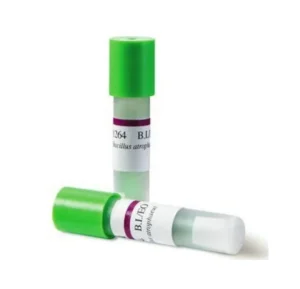
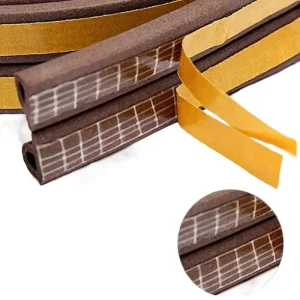
In the modern healthcare ecosystem, patient safety and infection control rely heavily on the scientific integrity of protective barriers and sterilization monitoring systems. As global medical standards align with strict international directives, procurement entities demand more than basic suppliers—they seek manufacturing partners with verified technical competencies, robust QA infrastructures, and sustainable supply chains.
Guangdong Onyx Medical Co., Ltd. is a leading national high-tech enterprise specializing in the research, development, production, and supply of advanced materials for the personal care, medical, and electronics industries. Since its establishment, the company has adhered to a core philosophy of innovation and quality, dedicated to providing high-quality products and solutions to customers worldwide.
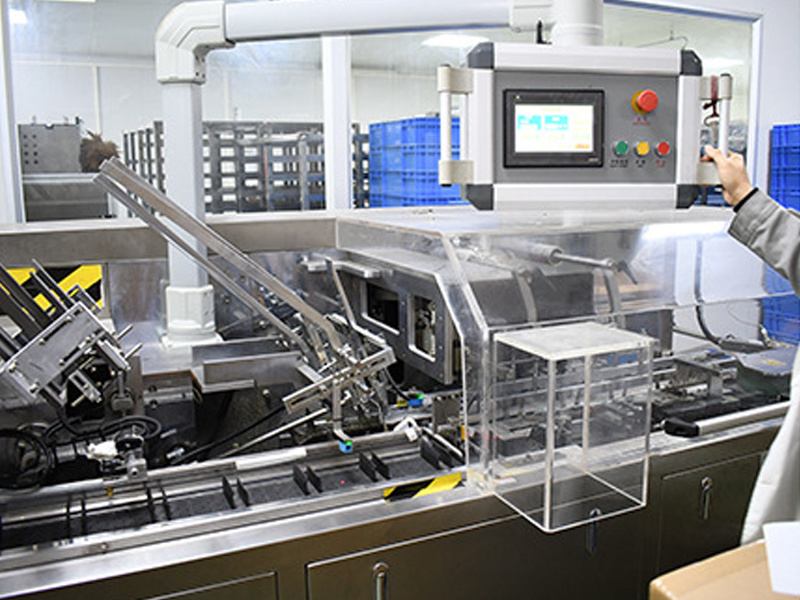
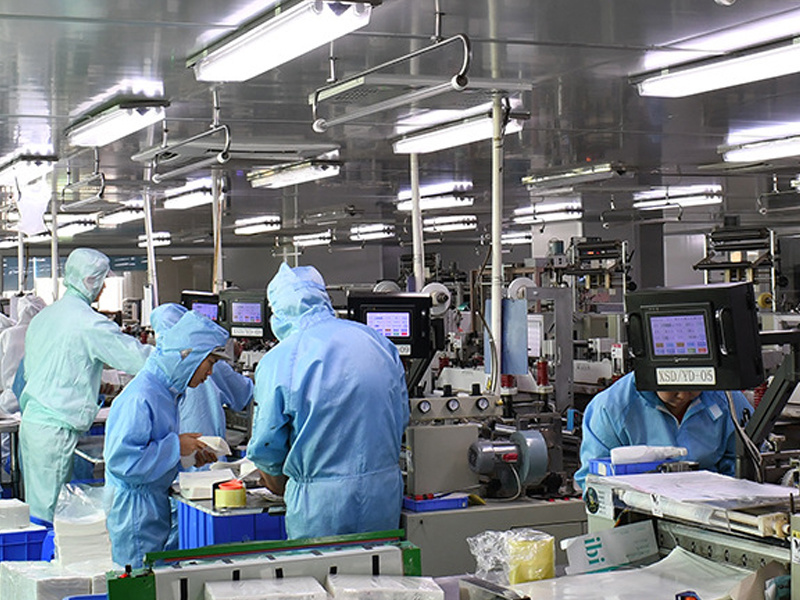
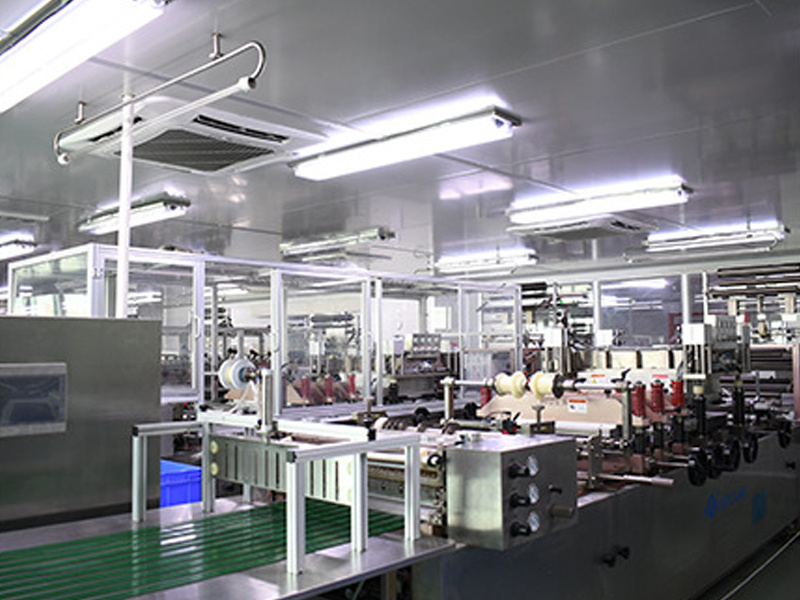
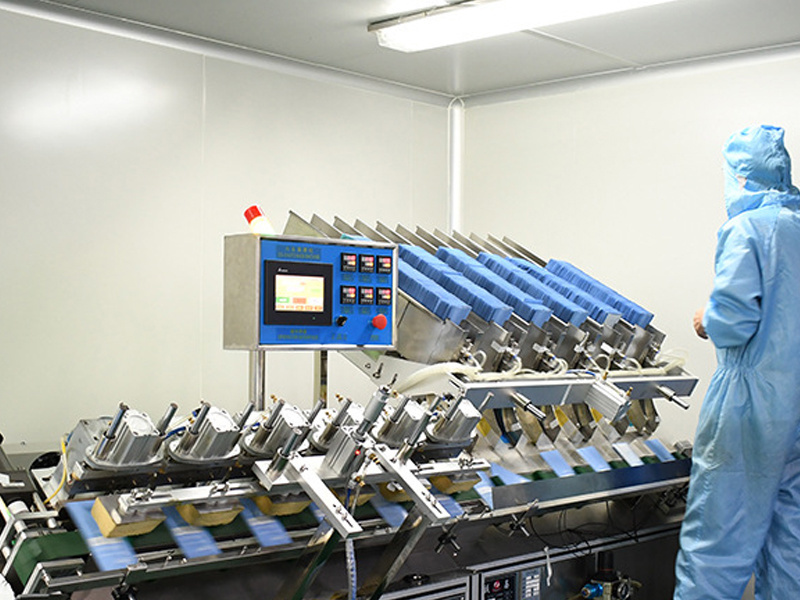
Located in Guangdong, China, the company operates a modern manufacturing facility covering over 60,000 square meters, equipped with three Class 100,000 cleanrooms and more than 30 PLC-controlled automated production lines. This state-of-the-art infrastructure ensures that every production process meets the highest levels of precision and safety, adhering to international standards.
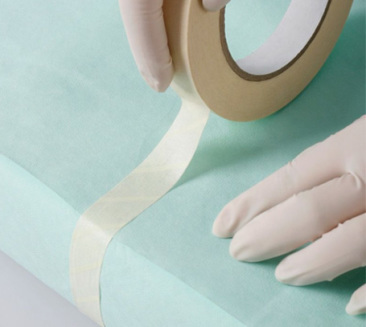
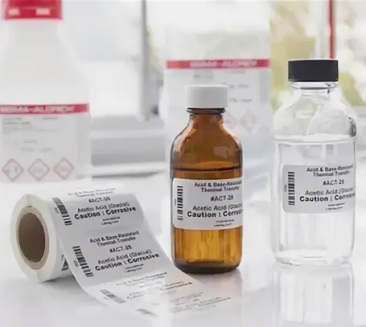
Guangdong Onyx Medical is structured into multiple specialized divisions, each committed to addressing the unique and demanding requirements of its respective industries:
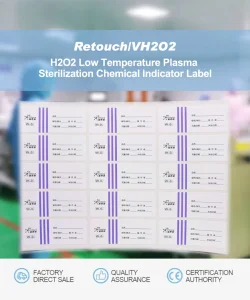
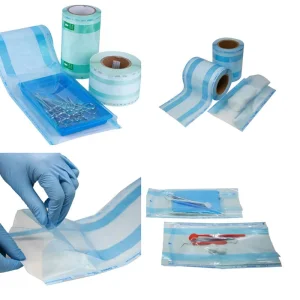
Developing advanced biomaterials and medical sensors widely used across diagnostic equipment, vital signs monitoring systems, and patient care. Onyx Medical continuously innovates to enhance patient outcomes and improve the overall quality of care through sterile assurance, utilizing medical-grade kraft papers, Tyvek substrates, and chemical reactive inks for sterilization indicators.
Providing premium materials for personal care, including infant diapers and adult hygiene products. The division emphasizes material soft-touch characteristics, high tensile strength, skin compatibility, and advanced moisture-wicking and absorption performance to meet growing global consumer demands.
Manufacturing high-precision sensors and control elements for critical care monitors and laboratory diagnostics. Our products optimize the reliability and performance of automated health tracking systems, enabling safer, real-time medical interventions.
At the forefront of research in biocompatibility and regenerative medicine substrates. This division researches advanced polymers and biodegradable substrates, supporting innovative applications in clinical wound management and drug delivery platforms.
Focusing on next-generation electronic coatings, insulating tapes, and power accessories for consumer and industrial sectors. These materials support thermal management, noise damping, and power distribution components, including heavy-duty charging and management systems.
The production of medical-grade packaging and personal protective equipment demands a highly integrated supply chain. China's industrial clusters, particularly in the Guangdong province, offer unmatched advantages. This includes immediate proximity to world-class petrochemical refineries supplying raw polypropylene for SMS non-woven fabrics, state-of-the-art paper mills producing medical-grade sterile barrier paper, and advanced chemical laboratories formulating specialized, heavy-metal-free indicators.
Onyx Medical leverages this geographical and industrial concentration to implement rigorous controls over raw material procurement. Our integration allows us to:
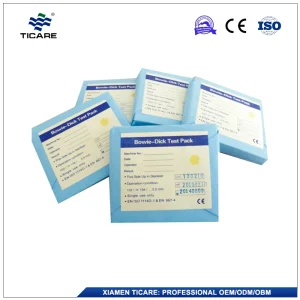
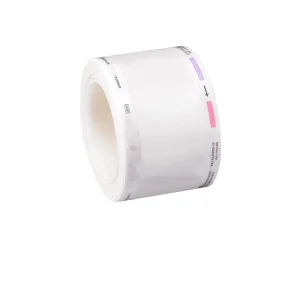
For multinational healthcare organizations, distributors, and Central Sterile Services Departments (CSSD), procuring sterile barrier systems is a matter of strict risk management. The integrity of a sterilization pouch or a Bowie-Dick test pack directly impacts clinical safety.
Onyx Medical addresses these high-stakes requirements with robust compliance frameworks:
The medical protective equipment and sterilization validation industries are undergoing rapid technological shifts driven by automation, digitalization, and green materials:
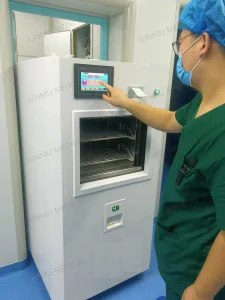
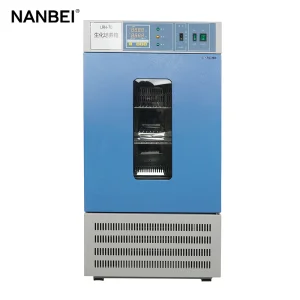
Digital and Intelligent Sterilization Verification: Traditional chemical indicators are being supplemented by rapid readout biological indicators (RRI) and spectrophotometric readers. Using high-precision incubators, CSSD facilities can verify autoclave runs in under 30 minutes, keeping pace with rapid surgical turnaround times.
Green Materials and Sustainability: Healthcare institutions are actively reducing carbon emissions. This has accelerated the transition to compostable sterilization wrapping papers, bio-derived films, and lead-free chemical indicators that do not leach toxic residues during steam or ethylene oxide (EO) processing.
Regulatory Harmony: European Medical Device Regulations (MDR 2017/745) and strict FDA regulations demand that medical packaging provide documented evidence of microbial barrier durability over extended storage periods. Manufacturers must supply data verifying physical and mechanical properties post-sterilization.
Understanding product performance under real clinical and industrial conditions ensures selection of the correct materials:
 Onyx Medical