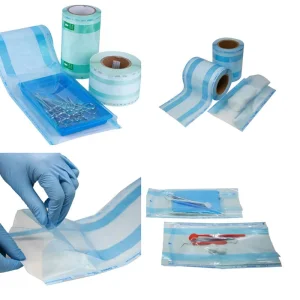
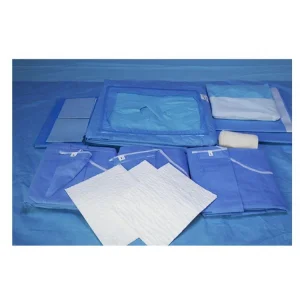
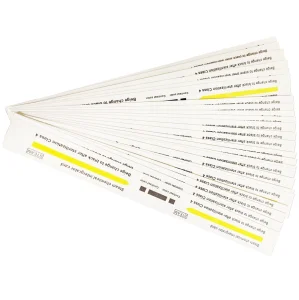
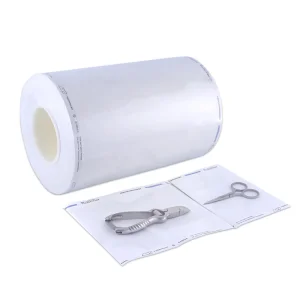
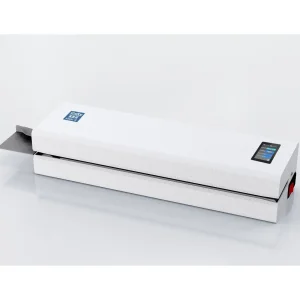
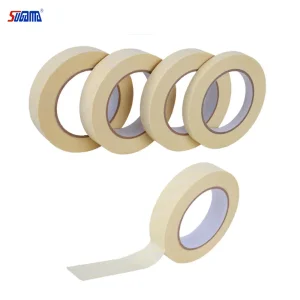
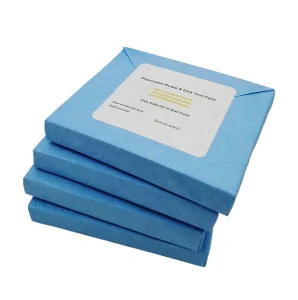
High-performance custom sealing components and certified medical indicators engineered to maintain sterile pathways and ensure physical integrity.
In the contemporary globalized supply chain, packaging is no longer viewed as a passive, structural enclosure. Instead, it has transitioned into an active agent that actively preserves shelf-life, ensures patient safety, and mitigates biocontamination. The rise of multi-resistant bacterial strains (such as MRSA, ESBL) alongside stringent cleanroom mandates in medical, food, and pharmaceutical manufacturing has propelled antimicrobial packaging from a secondary value-add to a mandatory system element.
Global procurement teams must assess suppliers based on their technical capacity to embed antimicrobial compounds (such as inorganic silver ions, zinc complexes, or bio-based organic antimicrobials) into polymers and substrates. The objective is to achieve sustained bacteriostatic or bactericidal action without compromising the material’s tensile strength, optical clarity, sealability, or regulatory compliance (under the FDA, EFSA, and Biocidal Products Regulation EU 528/2012).
For medical devices and clinical components, maintaining sterility until the point of use is critical. Antimicrobial masterbatches are incorporated directly into medical-grade films and indicators. This configuration minimizes the risk of nosocomial infections and prevents microbial colonization on packaging surfaces in operating environments.
Controlled release of organic antimicrobial agents inhibits pathogens like Listeria monocytogenes and Salmonella enterica. By managing microbial load on wrap films, producers extend freshness cycles and support sustainable cold-chain logistics, aligning with eco-conscious consumer and corporate initiatives.
Guangdong Onyx Medical Co., Ltd. is a leading national high-tech enterprise specializing in the research, development, production, and supply of advanced materials for the personal care, medical, and electronics industries. Since its establishment, the company has adhered to a core philosophy of innovation and quality, dedicated to providing high-quality products and solutions to customers worldwide.
Located in Guangdong, China, the company operates a modern manufacturing facility covering over 60,000 square meters, equipped with three Class 100,000 cleanrooms and more than 30 PLC-controlled automated production lines. This state-of-the-art infrastructure ensures that every production process meets the highest levels of precision and safety, adhering to international standards.
Onyx Medical is structured into multiple specialized divisions, each committed to addressing the unique needs of its respective industries:
The company develops advanced biomaterials and medical sensors widely used across various healthcare sectors, including diagnostic equipment, vital signs monitoring systems, and patient care products. Onyx Medical is dedicated to continuous innovation to enhance patient outcomes and improve the quality of care.
Onyx Medical provides high-quality materials for personal care products, particularly in the infant diaper and hygiene product markets. The company ensures that its products offer superior comfort, safety, and moisture absorption, catering to the growing demand in global markets.
Onyx Medical manufactures high-precision medical sensors and control consumables that are widely used in critical medical devices. These products enhance the reliability and effectiveness of health monitoring systems, providing safer and more efficient technology support for the healthcare industry.
The company is at the forefront of research and development in biocompatible materials, with a particular focus on regenerative medicine and drug delivery systems. Onyx Medical is committed to driving breakthroughs in materials science, continuously introducing innovative products that improve patient care.
Onyx Medical also focuses on the development of next-generation electronic materials for use in consumer electronics and industrial applications. These materials are designed to offer superior performance and durability, meeting the growing demands of the global electronics market.
Guangdong Onyx Medical operates under the guiding principles of "Technological Innovation, Quality First," striving to establish a strong brand presence in the global market. The company places a strong emphasis on quality control while ensuring that its production processes are sustainable. With a commitment to environmental protection, resource utilization, and social responsibility, Onyx Medical has gained a reputation as a trusted partner in the healthcare, personal care, and electronics industries. The company's advanced research and development capabilities, coupled with its efficient production systems, continue to drive it forward as a key player in these sectors. Moving forward, Onyx Medical is dedicated to pushing the boundaries of material science, providing innovative and efficient solutions for its customers worldwide.
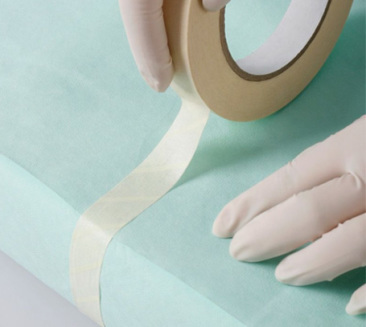
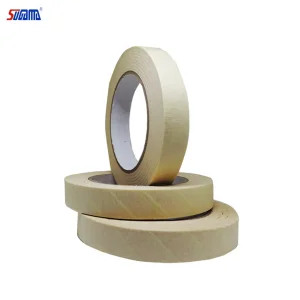
Medical Sterilization Tape Series
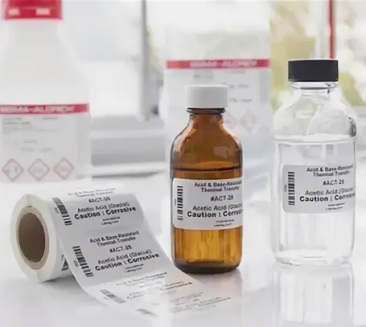
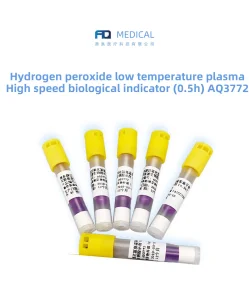
Medical Sterilization Monitoring Series
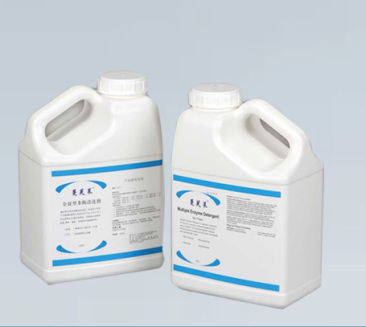
Medical Detergent Series
Evaluating the market footprint, technological mechanisms, and strategic value of the world's leading sterile and antimicrobial barrier material innovators.
Primary Technology: Advanced medical sterilization barrier materials, indicator systems, and high-precision biocompatible polymers manufactured inside Class 100,000 cleanrooms. Onyx Medical's systems guarantee sterile integrity and visual chemical indicator feedback for healthcare organizations globally.
Sourcing Benefit: 60,000+ sqm scale, 30+ PLC lines, ISO 13485 compliant processes, robust customization, and excellent cost efficiency for medical-grade sterile reels, indicators, and medical sensors.
Primary Technology: Advanced multi-layer films incorporating silver ion additives for controlled release in food-contact and pharma applications. They produce customizable barrier layers that reduce surface colonization of gram-positive and gram-negative bacteria.
Sourcing Benefit: Global footprint, comprehensive testing infrastructure, compliance profiles across multiple continents (FDA, EFSA, CFDA).
Primary Technology: Cryovac® active packaging solutions, specializing in functionalized resins that prevent biofilm formation in fresh meat supply lines. Their films rely on high-barrier technology paired with migrating organic acid systems.
Sourcing Benefit: Deep expertise in mechanical automation integration and extensive global distributions for protein packers.
Primary Technology: Functional barrier paper materials that use natural extracts and bio-based coatings to establish antimicrobial zones in dry-food and industrial shipping sacks.
Sourcing Benefit: Circular economy leader. Excellent option for brands targeting ESG metrics and switching away from petrochemical plastics.
Primary Technology: Co-extruded rigid and flexible plastics loaded with antimicrobial masterbatch formulations, serving healthcare device wraps and consumer healthcare products.
Sourcing Benefit: Massive raw material procurement leverage, reliable volume scaling capabilities, and multiple regional production locations.
Primary Technology: Specialty fiber-molded and paperboard structures treated with natural protective barriers to limit microbial cross-contamination in foodservice and consumer goods.
Sourcing Benefit: Exceptional biodegradable product catalog, focusing on regulatory safety compliance for fast-moving food packaging.
Primary Technology: Multi-layer MAP (Modified Atmosphere Packaging) barrier structures combined with antimicrobial coatings that regulate surface mold and yeast growth.
Sourcing Benefit: High performance in dairy, protein, and liquid packaging systems with precise resin layering control.
Primary Technology: High-performance polymer co-extrusions tailored for medical diagnostic kits, sterile device wraps, and pharma blister lidding with built-in microbial resistance.
Sourcing Benefit: European manufacturing focused on strict cleanliness controls and cleanroom assurance protocols.
Primary Technology: Rigid composite containers utilizing antimicrobial liner materials to safeguard contents from moisture and external biological ingress.
Sourcing Benefit: Closed-loop custom design programs and protective packaging engineering for industrial and consumer supplies.
Primary Technology: Steriking® sterile barrier systems designed for healthcare environments. Incorporates advanced surface sterilization testing verification cards and high-integrity sealing films.
Sourcing Benefit: Highly optimized autoclave-ready film solutions that resist physical and chemical stress during heat sterilization cycles.
Understanding the physical and chemical mechanisms behind antimicrobial packaging materials helps procurement teams align specifications with regulatory limits.
Antimicrobial packaging is categorized into two main systems based on how the active agent interacts with the product:
Modern packaging leverages different active materials to disrupt microbial life cycles:
Transitioning from static barriers to systems that trigger antimicrobial release only in response to specific environmental cues, such as humidity spikes, pH changes, or temp fluctuations.
Embedding natural plant-based and metal-free biocides into compostable polymers (like PLA, PHA, and PBAT) without compromising heat sealing or tensile performance.
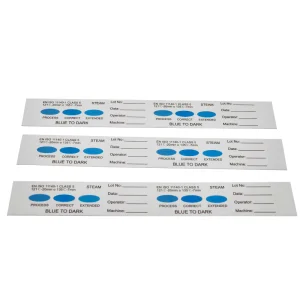
Combining visual sterilization indicator systems with real-time microbial detection, providing clear visual readouts of package integrity and cleanliness.
Procurement leaders must verify that all antimicrobial packaging conforms to local and international standards before deployment.
Because active agents can interact with food, pharmaceuticals, and sensitive clinical devices, manufacturers must undergo strict regulatory assessments. Key global standards include:
ISO 22196: Measurement of antibacterial activity on plastic surfaces. It requires testing against control organisms (typically Escherichia coli and Staphylococcus aureus) over 24-hour contact periods.
JIS Z 2801: The foundational Japanese standard for evaluating antibacterial plastics, specifying a minimum bacterial reduction factor of 2.0 (99.0% reduction) for a passing grade.
FDA Food Contact Notifications (FCN): Requires clear evidence of negligible chemical migration. It defines the specific food types and temperature ranges permitted for any active compound.
EU Regulation No 10/2011 & BPR: Governs active packaging components, establishing Specific Migration Limits (SML) for substances like silver ions to protect consumers from heavy-metal accumulation.
Onyx Medical ensures total compliance by manufacturing under ISO 13485 cleanroom controls. The product line images below showcase our production capabilities across medical sterilization reels and indicator series.
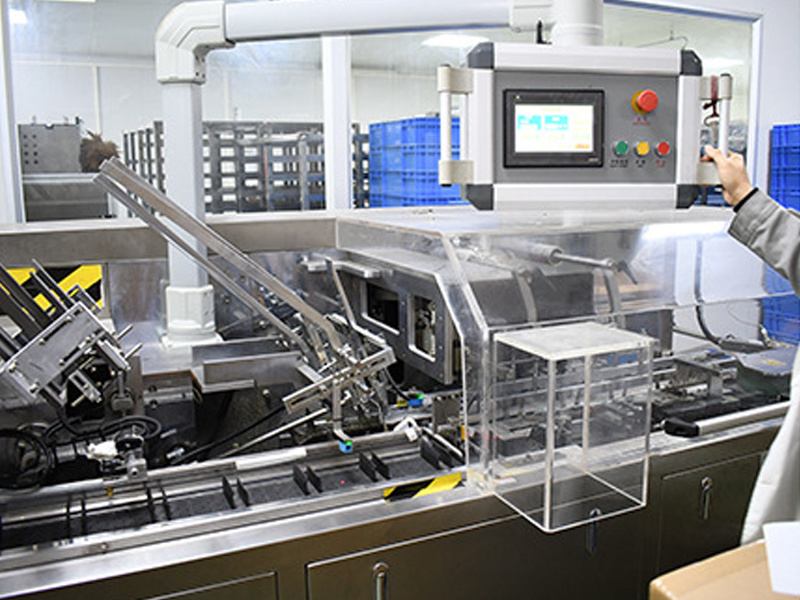
Extrusion & Coating Line
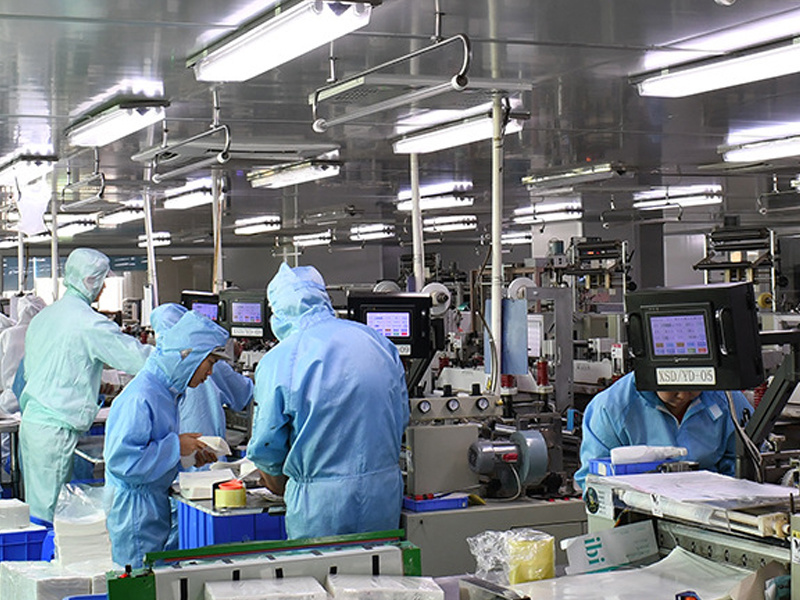
Slitting & Reeling Process
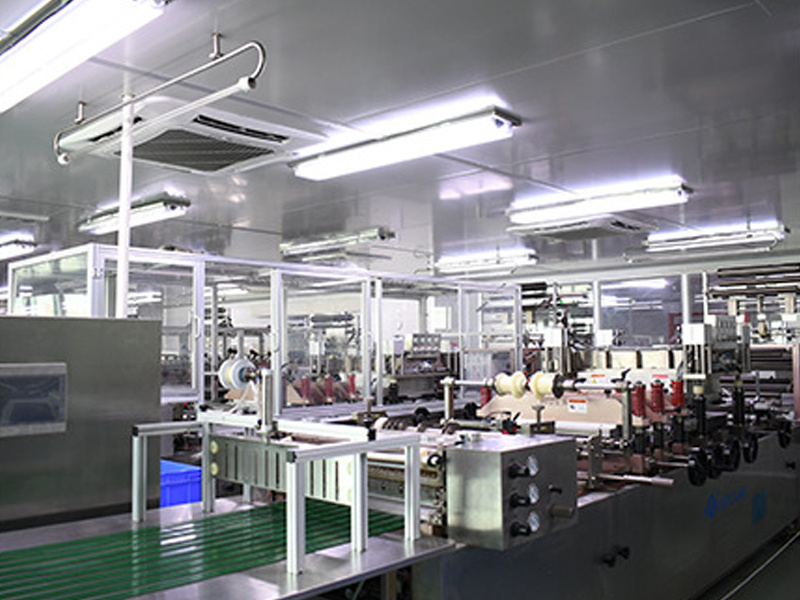
Cleanroom Packaging Line
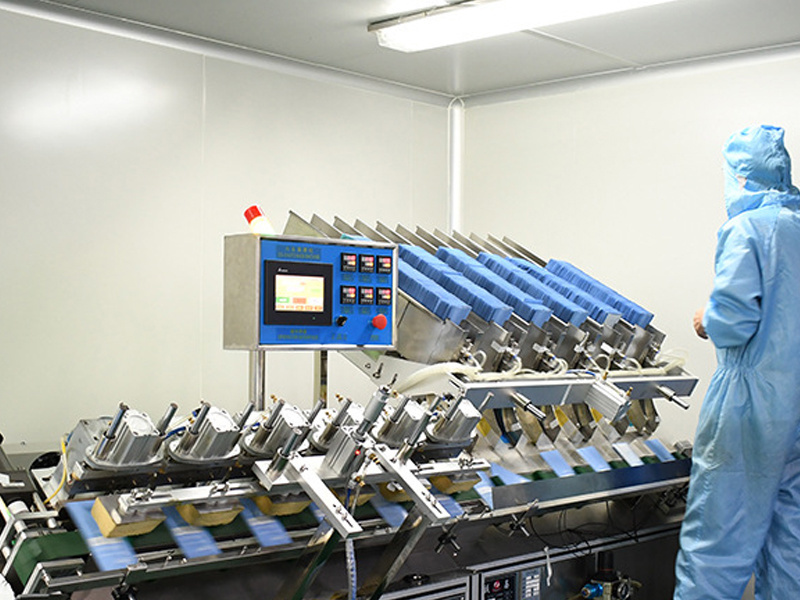
Quality Control Center
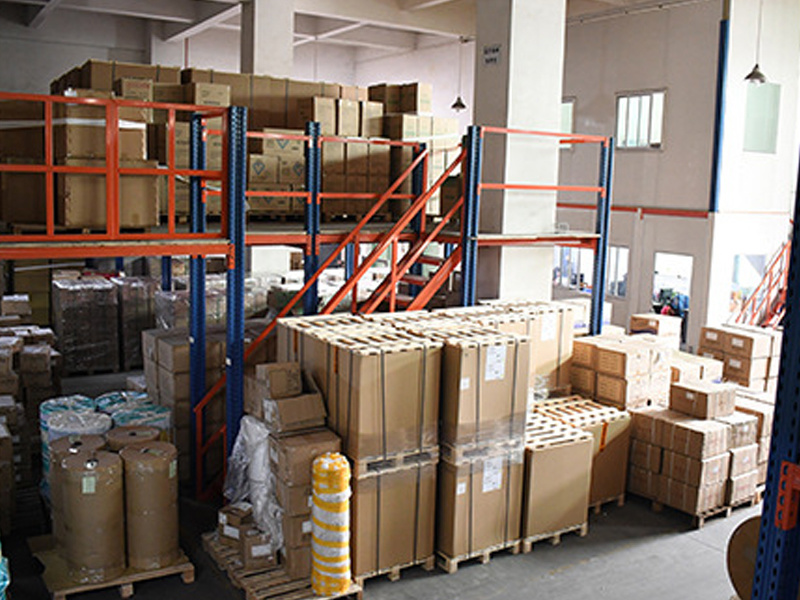
Sterilization Chambers
Common technical and regulatory questions compiled by our growth team to guide packaging engineers and sourcing managers.
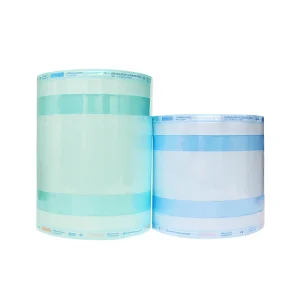
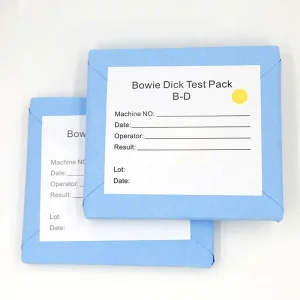
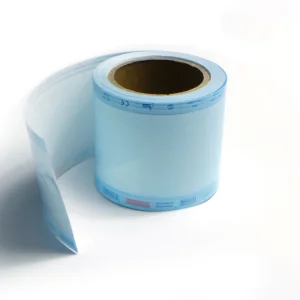
High-integrity self-sealing pouches, gusseted autoclave reels, and Bowie-Dick validation packs designed to prevent biological ingress.
 Onyx Medical