Why Is Water Quality Important for Medical Detergents?

Time:2026-09-09 Author:Amelia
0%

Why is water quality important for medical detergents? The answer begins with chemistry, but it ends with patient safety. During instrument cleaning, water carries detergent across hinges, channels, and narrow joints. Its hardness, temperature, pH, mineral content, and microbial burden can change that process. Hard water may leave calcium spots. Excess minerals can reduce wetting and create deposits inside washer-disinfectors. Poor rinsing can also leave detergent residues on stainless steel surfaces.

William A. Rutala, PhD, MPH, a recognized infection-prevention expert, explains, “Cleaning is the removal of foreign material from objects and is normally accomplished using water with detergents or enzymatic products.” His statement highlights an often-overlooked point: water is part of the cleaning system, not merely a background ingredient. Medical facilities should test incoming water, review detergent instructions, and confirm washer performance under real operating conditions. Visible cleanliness helps, but it is not proof of effective cleaning.

Small details matter.

A technician may notice cloudy glassware, white marks, or an unusual odor before a formal test identifies the cause. Still, appearance alone can mislead. Some residues remain invisible. A reasonable program combines water monitoring, detergent dosing checks, equipment maintenance, and documented validation. It should also consider the instrument material and soil type. The answer is not always “use purer water.” Over-treatment can add cost without improving results. That assumption deserves review. Reliable cleaning comes from matching water quality, detergent chemistry, equipment settings, and clinical risk. This practical connection explains why water quality remains central to safe medical reprocessing.
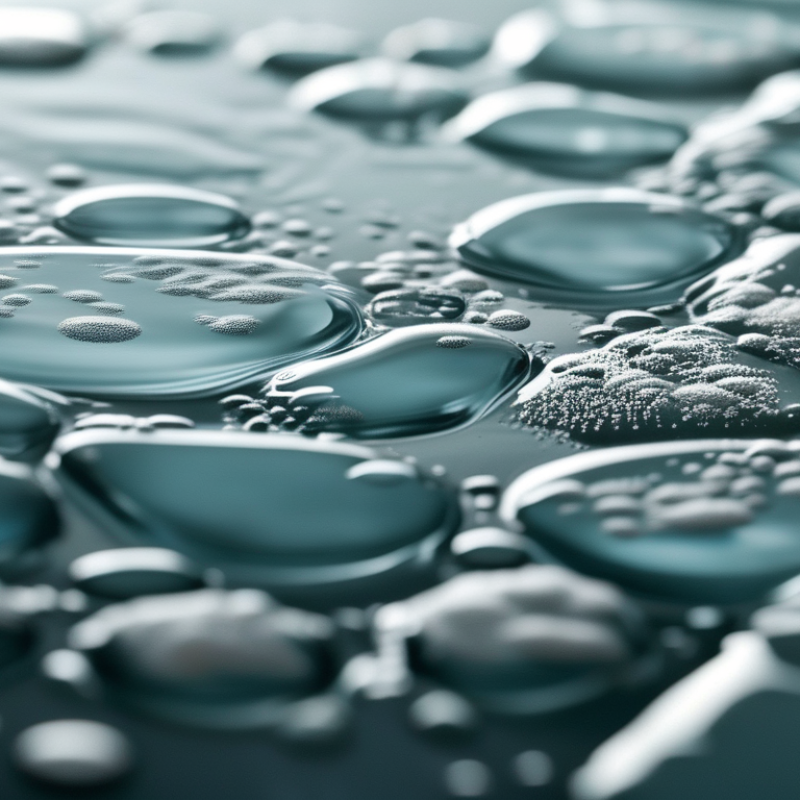
Why Is Water Quality Important for Medical Detergents?

What Water Quality Means in Medical Detergent Use

Water quality determines how medical detergents behave during cleaning. Hard water contains calcium and magnesium that can reduce detergent performance. These minerals may leave cloudy films on instruments, carts, and washer surfaces. The residue can trap soil and complicate visual inspection. Clean-looking water is not always suitable water.

pH also matters. A detergent may require a specific pH range to loosen proteins, fats, or other clinical soils. Chlorine, iron, and high total dissolved solids can affect surfaces and rinse results. Excess minerals may damage delicate materials over time. Microbial quality matters too, especially when water contacts cleaned devices before disinfection or sterilization. Testing should match the facility’s water source, equipment, and cleaning process.

Small details matter. A technician might notice spotting after a routine cycle. That sign can lead to checks of hardness, conductivity, temperature, and final-rinse quality. Water reports are useful, but they do not replace process verification. Results can change after plumbing repairs, seasonal shifts, or changes in municipal supply. It is tempting to blame the detergent first. That assumption is often incomplete. Water data, detergent instructions, equipment settings, and inspection findings should be reviewed together. I would also question a single test result. One sample can miss intermittent problems. Consistent records provide stronger evidence for safe, repeatable cleaning.

How Water Chemistry Affects Detergent Performance

Why Is Water Quality Important for Medical Detergents?

Water chemistry directly affects how medical detergents remove soil from instruments. Hard water contains calcium and magnesium ions. These minerals can reduce foaming, weaken cleaning action, and leave visible deposits after washing. Even clear water may carry hidden impurities. That is easy to overlook.

pH also matters. An unsuitable pH can reduce detergent efficiency or increase material stress on sensitive surfaces. Chlorides may contribute to corrosion, while excess minerals can form films inside narrow channels. Temperature changes the process too. Warm water often improves soil removal, but excessive heat may fix proteins before cleaning begins. In practice, technicians should consider water quality, detergent concentration, contact time, and mechanical action together. One factor rarely explains every result. A clean-looking instrument is not proof of complete cleaning.

Tips: Test incoming water regularly, especially when cleaning results change without warning. Check hardness, conductivity, pH, and chloride levels where appropriate. Follow validated instructions for dilution and temperature. Use treated water for final rinsing when residue or spotting remains a concern. Record unusual deposits and compare them with maintenance data. Small details matter. Local water conditions can change seasonally, so an old test may not reflect today’s process. When problems continue, consult qualified infection-control or reprocessing professionals and review the entire cleaning cycle.

Why Is Water Quality Important for Medical Detergents?
How Water Chemistry Affects Detergent Performance
Water Chemistry Parameter Reference or Control Value Effect on Medical Detergent Performance Typical Risk to Instruments Recommended Control Measure
pH Approximately 6.5–8.5 for incoming water; use the detergent manufacturer’s validated range for process water. Water that is too acidic or too alkaline can change detergent stability, soil removal, foaming, and rinsing behavior. Surface etching, corrosion, residue, or reduced cleaning efficiency. Monitor pH routinely and verify compatibility with the detergent and instrument materials.
Total Hardness Soft water is generally below 60 mg/L as CaCO3; hardness above 120 mg/L is commonly classified as hard water. Calcium and magnesium consume surfactant performance and can form insoluble deposits with alkaline detergent components. Limescale, blocked spray nozzles, spotting, poor rinsing, and reduced heating efficiency. Use water softening or a validated low-hardness rinse supply; check hardness after treatment.
Alkalinity Measure as mg/L CaCO3; the acceptable range depends on the detergent formulation and water-treatment system. Alkalinity buffers pH and can support soil removal, but excessive alkalinity may increase residue and material stress. Film formation, difficult rinsing, discoloration, or corrosion of sensitive surfaces. Track alkalinity together with pH and adjust the detergent concentration only within validated limits.
Chloride Keep chloride as low as practical; concentrations above approximately 100 mg/L warrant investigation for corrosion-sensitive instruments. Chloride can accelerate localized corrosion, especially when combined with heat, acidity, or damaged protective surfaces. Pitting, staining, crevice corrosion, and loss of instrument passivity. Use treated water for the final rinse when required and investigate salt contamination or water-treatment failure.
Conductivity Use a validated site-specific limit; lower conductivity generally indicates fewer dissolved ionic contaminants. High conductivity may indicate dissolved salts that remain on surfaces after evaporation and interfere with rinsing quality. Water spots, mineral residue, corrosion risk, and inconsistent final-rinse results. Measure at a controlled temperature, commonly 25°C, and trend results for the final-rinse supply.
Iron and Manganese Maintain both at low concentrations; iron above 0.3 mg/L can cause visible staining in water systems. These metals can oxidize, form colored deposits, and contribute to residue on instruments and washer components. Brown or black staining, clogged components, and possible surface discoloration. Test source water and use appropriate filtration or oxidation-removal treatment when necessary.
Silica Keep low in high-purity or final-rinse water; the control limit should be established by the validated process. Silica can remain after drying and is not always removed effectively by conventional softening. Persistent haze, glassware deposits, and difficult-to-remove mineral films. Consider reverse osmosis or deionization where the process requires low-mineral final-rinse water.
Temperature Follow the detergent’s validated instructions; many enzymatic cleaning processes operate within approximately 30–60°C. Temperature affects enzyme activity, soil solubility, viscosity, contact time, and the risk of fixing protein-based soils. Incomplete cleaning at low temperatures or baked-on protein residue at excessive temperatures. Control and record water temperature throughout the cleaning cycle.
Total Dissolved Solids Use conductivity as a practical indicator and establish a site-specific TDS limit for the final rinse. High dissolved-solids content increases the likelihood of residue after water evaporates. Spotting, dull surfaces, clogged equipment, and reduced visual inspection quality. Trend conductivity or TDS and verify the performance of filters, softeners, and membrane systems.
Water Microbial Quality Use the applicable healthcare-facility water-quality specification and validated process requirements. Microorganisms and biofilm can add organic load and create contamination concerns even when visible cleaning appears acceptable. Biofilm formation, odor, recontamination risk, and unreliable process hygiene. Maintain the water system, prevent stagnation, sanitize when required, and test according to the facility’s quality plan.
Important: Reference values are practical control indicators rather than universal acceptance limits. Always follow the validated cleaning process, instrument-care instructions, detergent instructions for use, and applicable healthcare water-quality requirements.

The Role of Hardness, Minerals, and Contaminants

Why Is Water Quality Important for Medical Detergents?

The Role of Hardness, Minerals, and Contaminants

Water is an active part of medical cleaning, not merely a rinsing liquid. Its chemistry can change how a detergent performs on instruments and equipment.

Hard water contains calcium and magnesium. These minerals can react with detergent ingredients and leave cloudy films, scale, or white spots. Deposits may collect inside narrow channels and on hinged surfaces. That residue can hide soil from visual inspection. Iron and copper create another concern. They may cause staining, discoloration, or localized corrosion. Silica can form stubborn deposits that ordinary wiping cannot remove.

Small details matter.

Contaminants can also include organic material, particles, and microorganisms. A clean-looking water supply is not automatically suitable for reprocessing. Conductivity, hardness, pH, and microbial quality should be checked against the equipment and detergent requirements. Water treatment may improve consistency, but it does not replace cleaning validation or routine monitoring.

A practical observation helps: compare final-rinse spots on instruments, detergent foam, and scale around spray nozzles. These clues may reveal a water problem before performance declines. Still, visual checks are limited. A clear surface does not prove complete soil removal. This is where teams sometimes become overconfident. Testing records, validated procedures, and trained staff provide stronger evidence. The exact water specification should follow the device instructions, detergent data, and applicable healthcare standards.

Why Is Water Quality Important for Medical Detergents?

Water hardness is mainly caused by dissolved calcium and magnesium. As hardness increases, minerals can reduce detergent efficiency, leave deposits on instruments, and interfere with rinsing. The chart uses the U.S. Geological Survey hardness classes and representative values expressed as mg/L of calcium carbonate (CaCO₃).

Soft water is generally preferred for medical cleaning processes, but hardness is only one part of water quality. Iron, manganese, chloride, silica, particles, and microorganisms may also affect detergent performance, instrument surfaces, and final rinse quality. Water should therefore be tested and treated according to the cleaning and sterilization process requirements.

Reference: U.S. Geological Survey water-hardness classification; values shown are representative points within each classification.

Water Quality Risks in Medical Device Cleaning

Water quality can quietly determine whether medical device cleaning is effective. Detergents depend on water to dissolve soils, carry residues away, and reach narrow channels. When water contains high mineral levels, calcium and magnesium may reduce detergent performance. Hard-water deposits can also dry on hinges, lumens, and textured surfaces.

Microbial contamination creates another risk. Water used for dilution or final rinsing may introduce bacteria, biofilm fragments, or endotoxins. A device can look spotless while remaining unsuitable for its next processing stage. That is the uncomfortable part. Visual inspection alone is not enough. Conductivity, hardness, microbial counts, and chemical residues should be assessed according to the cleaning process and device requirements. Local water changes can matter, even when the supply normally appears stable.

Temperature and storage also influence water quality. Warm stagnant water can encourage microbial growth, while poorly maintained pipes may release particles or corrosion products. Technicians should verify water at the point of use, not only at the incoming supply. They should also confirm detergent concentration, contact time, and rinse volume during process validation. Small errors are common. A diluted detergent may seem harmless, yet repeated under-cleaning can leave proteins inside a narrow channel. Qualified testing, documented monitoring, and timely corrective action provide stronger evidence than assumptions. The process may need review after plumbing work, equipment changes, or unusual test results.

Methods for Monitoring and Improving Cleaning Water

Water quality directly affects how medical detergents remove blood, proteins, and tissue residues. Hard water can reduce detergent performance and leave mineral films on instruments. High organic loads may also interfere with cleaning validation.

AAMI ST108:2023 recommends a risk-based approach to water quality during medical device processing, rather than one universal specification. That principle matters because washer-disinfectors, instruments, and detergents do not face identical risks.

Monitoring should begin with a written water-quality profile. Test hardness, conductivity, pH, microbial counts, and, when relevant, total organic carbon. Record results at defined intervals and after maintenance or supply changes.

The CDC’s Guideline for Disinfection and Sterilization in Healthcare Facilities identifies water quality as an important factor in reprocessing effectiveness.

WHO and UNICEF’s Joint Monitoring Programme reported that 2.2 billion people lacked safely managed drinking water in 2022. Drinking-water compliance alone does not prove suitability for medical cleaning. That assumption deserves review.

Tips:

Sample the point of use, not only the incoming supply. Compare results with detergent and equipment instructions. Use test strips for quick checks, but confirm unusual readings through a qualified laboratory. Inspect instruments under bright light; a clean-looking surface can still retain protein. Keep trend charts, not isolated results. Conductivity can rise without obvious visual changes. Hardness may remain overlooked. Small gaps in sampling plans can become large cleaning failures, so review them honestly after each deviation.

FAQS

: Why does water quality matter during medical device cleaning?

: Water dissolves soil, carries residues away, and helps detergent reach narrow channels. Poor water quality can quietly reduce cleaning performance.

How can hard water affect instruments?

Calcium and magnesium may react with detergent ingredients. They can leave cloudy films, scale, and white spots on hinges or lumens. Small deposits can hide remaining soil.

Which water contaminants deserve attention?

Check minerals, particles, organic material, microorganisms, and chemical residues. Iron and copper may cause stains or localized corrosion. Silica can create stubborn deposits.

Can a clean-looking instrument still be contaminated?

Yes. Visual inspection has clear limits. A shiny surface may still contain protein inside a narrow channel. Looks can mislead us.

What water properties should teams monitor?

Monitor hardness, conductivity, pH, microbial quality, and relevant organic content. The exact limits depend on the device, detergent, and cleaning process.

Where should water samples be collected?

Sample water at the point of use, not only at the incoming supply. Pipes may release particles or corrosion products. Local conditions can differ.

How can teams detect early water-quality problems?

Inspect final-rinse spots, detergent foam, spray nozzles, and instrument surfaces. White scale around a nozzle may signal mineral buildup. These clues help, but they do not prove cleaning success.

Does water treatment solve every cleaning problem?

No. Treatment may improve consistency, but it cannot replace validation. Teams must still verify detergent concentration, contact time, rinse volume, and equipment performance.

How can water quality change after maintenance or storage?

Warm, stagnant water may encourage microbial growth. Plumbing work can introduce particles or change chemistry. Review testing after unusual results or equipment changes.

What records support reliable monitoring?

Keep trend charts, sampling dates, test results, and corrective actions. Repeated small deviations may reveal a larger problem. Isolated results are easy to overtrust.

Conclusion

Why is water quality important for medical detergents? Water quality directly affects the ability of detergents to remove blood, proteins, fats, and other residues from medical devices. Its pH, temperature, mineral content, and chemical composition can influence detergent stability, foaming, rinsing, and overall cleaning efficiency. When water chemistry is unsuitable, even a well-formulated detergent may perform poorly or leave unwanted deposits behind.

Hard water, dissolved minerals, organic matter, and microbial contaminants can interfere with cleaning and create residues on device surfaces. These risks may compromise the consistency of reprocessing and increase the need for repeated cleaning. To support reliable results, healthcare facilities should regularly monitor water hardness, conductivity, pH, and visible contamination. Appropriate filtration, softening, purification, and routine testing can help maintain suitable cleaning water and ensure that medical detergents work effectively throughout the cleaning process.

Amelia

Amelia

Amelia is a seasoned marketing professional with a wealth of expertise in our company’s core offerings. With an unwavering passion for driving growth and innovation, she plays a pivotal role in shaping our marketing strategies and enhancing brand visibility. A key aspect of her responsibilities......