When it comes to medical practices, safety is paramount. Knowing how to seal sterilization reels for maximum safety is crucial for healthcare professionals. Improper sealing can lead to contamination and jeopardize patient health. Attention to detail plays a significant role in this process.
In this article, we will explore top tips to ensure your sterilization reels are sealed properly. Adequate training and knowledge are key elements for medical staff. They must stay informed about best practices and potential pitfalls. The right sealing techniques can prevent leaks and safeguard sterilized instruments.
Every tip discussed reflects hands-on experience. We will highlight common mistakes and how to avoid them. Reflecting on past errors can enhance safety protocols. By following expert advice, professionals can improve their sealing methods. This not only increases efficacy but also builds trust in medical procedures.
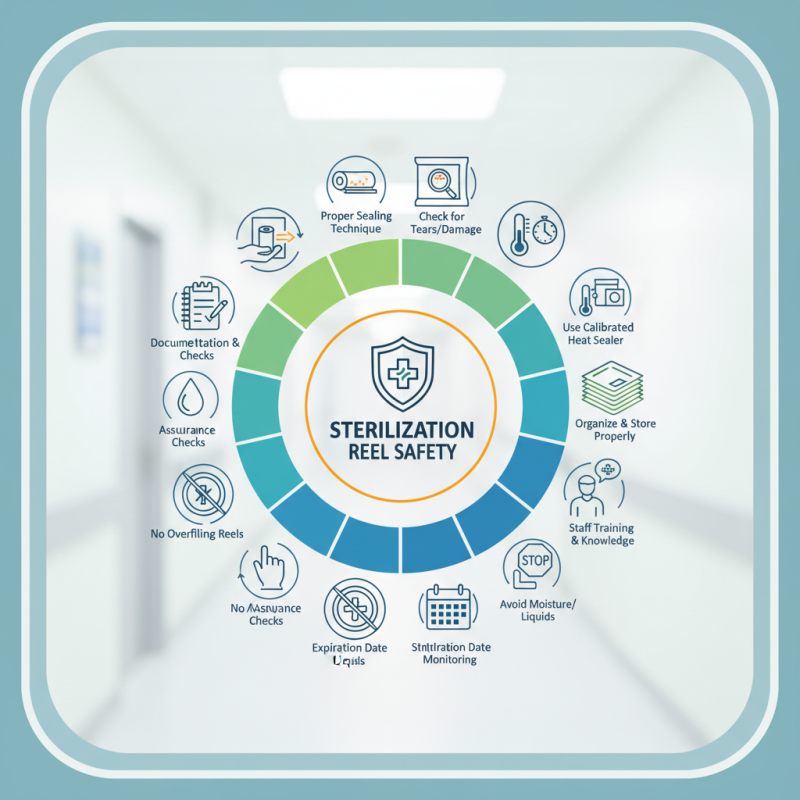
Sterilization reels play a crucial role in maintaining the cleanliness and safety of medical environments. Their purpose is to securely hold and protect sterilized instruments until they are needed. These reels ensure that instruments are free from contaminants, reducing the risk of infections during procedures. They are designed to withstand the sterilization process while providing easy access to the tools inside.
Understanding the importance of these reels goes beyond just their usage. Proper sealing is essential to ensure that sterility is maintained. A common mistake is failing to check for adequate sealing before placing the reels in sterilizers. If the seal is compromised, instruments may become contaminated. It's vital to adopt best practices for sealing, such as using appropriate materials and techniques. This vigilance can prevent operational mishaps and promote a safer environment for both healthcare providers and patients.
In real-world application, however, issues can arise. Staff might overlook small damages to the reel. These unnoticed flaws could lead to major consequences. This sentiment highlights the need for thorough training and regular checks in sterilization protocols. Continuous improvement in practices will help maintain the integrity of sterilization reels and the safety of medical procedures.
When sealing sterilization reels, safety equipment is critical. According to a 2021 report from the Healthcare Sterilization Association, approximately 25% of sterilization failures result from improper sealing practices. This emphasizes the necessity for reliable safety gear during the sealing process.
Personal protective equipment (PPE) must be prioritized. Wearing heat-resistant gloves is essential to prevent burns. A lab coat made from non-flammable fabric can also protect against accidental spills. Safety goggles shield eyes from potential splashes when working with adhesive materials. Over 30% of workplace accidents in sterilization facilities occur due to negligence in wearing proper gear.
Moreover, utilizing tools like adhesive dispensers can enhance accuracy. These tools help to apply sealants uniformly, reducing the risk of contamination. Regular training sessions for staff on proper techniques can further minimize risks. Data indicates that proper sealing techniques can reduce contamination rates by up to 40%. Maintaining an environment where safety gear is mandatory can lower incidents in the workplace. This commitment to safety reflects best practices across the industry.
| Tip | Description | Safety Equipment |
|---|---|---|
| 1. Use Appropriate Sealing Materials | Ensure sealing materials are compatible with sterilization processes. | Sterilization wraps |
| 2. Maintain Clean Work Environment | Keep the sealing area hygienic to prevent contamination. | Cleaning supplies |
| 3. Follow Manufacturer Guidelines | Always adhere to sealing and sterilization equipment instructions. | Instruction manuals |
| 4. Check Sealing Equipment Regularly | Inspect sealing machines for flaws or wear. | Maintenance tools |
| 5. Ensure Proper Temperature Settings | Confirm correct temperatures for effective sealing. | Thermometers |
| 6. Use Personal Protective Equipment (PPE) | Wear gloves and masks while handling sterilization reels. | Gloves and masks |
| 7. Label Sealed Packages Clearly | Mark contents and sterilization date on sealed reels. | Labeling materials |
| 8. Store Sealed Reels Properly | Keep sealed reels in a dry, sterile environment. | Storage containers |
| 9. Monitor Sterilization Cycle | Track and verify sterilization times and parameters. | Cycle monitors |
| 10. Train Staff Regularly | Provide ongoing training on safety and sealing procedures. | Training materials |
When sealing sterilization reels, proper technique is crucial. Begin by ensuring all instruments are thoroughly dried. Moisture can compromise the sterilization process. Use a clean workspace free of contaminants. This minimizes the risk of exposing sterile items to infectious agents.
Next, lay the sterilization reel flat on the table. Pull out enough material to cover all instruments completely. This avoids any gaps that could compromise sterility. Carefully place the instruments in the center. Arrange them to allow even distribution of the sealing material. Do not overcrowd the reel; it might lead to insufficient contact with the sealing agent.
Seal the ends of the reel tightly. Ensure no air pockets are trapped inside. Air can carry microorganisms, which may lead to failure of the sterilization process. Rethink your technique if you notice leaks. Regularly test your sealing method for effectiveness. Learning from past experiences can improve your proficiency in the sealing process.
When sealing sterilization reels, common mistakes can jeopardize the safety of instruments. One key error is not ensuring a proper seal, which leads to contamination risks. Studies show that improper sealing increases the chance of infection transmission in clinical settings. For instance, a report from a leading sterilization research institute found that 30% of failures in sterilization processes stemmed from faulty seals.
Another critical mistake is using the wrong materials for sealing. Not all sealing tapes and films are suited for sterilization processes. This oversight can compromise the integrity of the sterilization environment. It’s advisable to choose materials that are validated for use in autoclaves or other sterilization methods.
Tip: Always inspect the sealing equipment regularly. Minor adjustments can help maintain the correct pressure and temperature during the sealing process. This will minimize potential mistakes and ensure reliability. Also, remember to train staff regularly on proper sealing techniques, as human error can sometimes lead to overlooked details. Regular audits of sealing practices can help identify areas for improvement.
When sealing sterilization reels, it's crucial to focus on best practices that maintain integrity. Proper sealing prevents contamination during storage. Ensure your reels are clean and dry before sealing. Any residue can compromise sterility. It's essential to inspect the sealing area for any signs of wear or damage. A worn seal may not provide the protection needed for sterilization.
Temperature and humidity can affect the sealing process. Always operate in a controlled environment. If humidity is high, consider sealing in smaller batches. This reduces the risk of moisture entering the reels. Make sure to monitor the sealing machine regularly. Calibration checks are vital for maintaining uniform pressure and heat. Mistakes in this area can lead to ineffective seals.
While using different materials for sealing, test their compatibility. Not all materials perform equally under sterilization conditions. Conduct regular audits of sealed reels to identify any potential failures. Consider any feedback from staff regarding the sealing process. Improvement comes from listening and adapting. The goal is to assure safety and reliability in every step of the process.
: Safety equipment is critical. Studies show 25% of sterilization failures arise from improper sealing practices.
Heat-resistant gloves are essential. A non-flammable lab coat also provides protection from spills.
Safety goggles protect eyes from splashes of adhesive materials during the sealing process.
Using adhesive dispensers helps apply sealants evenly. This reduces contamination risks significantly.
Regular training can minimize risks. Proper sealing techniques can cut contamination rates by 40%.
Rethink your technique if leaks are noticed. Learning from past mistakes is crucial for improvement.
Moisture compromises sterilization. Always ensure the instruments are thoroughly dried before sealing.
A controlled environment is ideal. High humidity may require sealing in smaller batches to avoid moisture issues.
Worn seals may not protect effectively. Regular inspections are necessary to maintain proper sealing integrity.
Not all materials perform well under sterilization. Testing compatibility can prevent potential failures.
Sealing sterilization reels is crucial for ensuring the safety and efficacy of sterilization processes. The article provides a comprehensive overview of how to seal sterilization reels for maximum safety, highlighting their purpose and importance in maintaining sterile environments. It emphasizes the essential safety equipment needed and offers a step-by-step guide to properly sealing reels, ensuring that all equipment remains contamination-free.
Additionally, the article outlines common mistakes to avoid, such as improper sealing techniques, and shares best practices for maintaining the integrity of sealed sterilization reels. By following these guidelines, healthcare professionals can enhance safety protocols and ensure that sterilization processes remain reliable and effective, ultimately contributing to patient safety and care quality.
Onyx Medical