How Long Can Sterile Instruments Be Stored in Pouches?

Time:2026-07-31 Author:Sienna
0%

In healthcare settings, the safety of sterile instruments is paramount. Understanding "How long can sterile instruments be stored in pouches" is essential for effective surgery and patient care. Improper storage can lead to contamination, exposing patients to risks.

Sterile instruments must maintain their integrity and sterility for optimal use. Research indicates that the lifespan of sterilization can vary based on materials and environmental conditions. Even slight deviations in storage can compromise instrument safety. This can lead to difficult decisions for medical professionals, who must weigh the risks carefully.

While some pouches are designed to extend the shelf life, not all methods are foolproof. It’s important to periodically assess storage practices. Regular audits and evaluations help identify areas needing improvement. The conversation about instrument storage is ongoing, inviting constant reflection and adjustments in protocols for better outcomes.
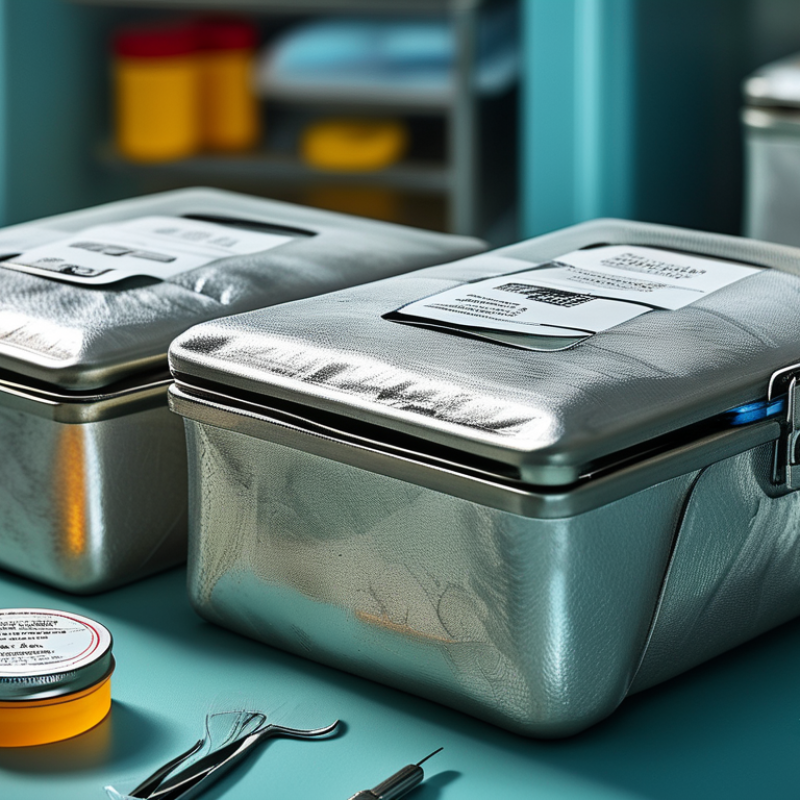
How Long Can Sterile Instruments Be Stored in Pouches?

Definition of Sterile Instruments and Pouch Storage

Sterile instruments are essential in healthcare settings. They are defined as tools that have undergone a sterilization process. This ensures they are free from all microorganisms. Proper storage is crucial to maintain their sterility.

Pouches are a common method for storing these instruments. They create a barrier against contamination. However, how long can these instruments be safely stored? The storage time may vary depending on various factors. Environmental conditions play a significant role. High humidity or fluctuating temperatures can compromise sterility. Additionally, the integrity of the pouch itself is vital. Tears or punctures can expose instruments to contaminants.

Many healthcare facilities follow guidelines for storage duration. Some suggest using sterile instruments within a specific timeframe, often 30 to 60 days. Reflections on this reveal a gray area, though. What if an instrument is visually intact? It might still harbor risks. Regular checks and assessments are necessary. This ensures sterile protocols remain effective, even as time passes.

How Long Can Sterile Instruments Be Stored in Pouches?

This bar chart illustrates the percentage of sterile instruments that can be effectively stored in pouches over various time frames. It is evident that as the storage duration increases, the efficacy decreases, suggesting that sterile instruments are best used within the first month following storage.

Factors Affecting the Shelf Life of Sterile Instruments

The shelf life of sterile instruments in pouches varies widely. Several factors influence their durability, and understanding these is crucial for effective use. Storage conditions, such as temperature and humidity, play a significant role. Instruments stored in dry, cool environments tend to last longer than those in damp or fluctuating climates.

Moreover, the material of the pouch affects lifespan. Some materials are more resilient, providing better protection from contamination. However, even the best pouches are not infallible. Physical damage, such as tears or punctures, can lead to unintended exposure. Inspection before use is essential but often overlooked.

Time is another critical element. Even under optimal conditions, sterile instruments have a finite shelf life. As time passes, sterility can diminish. Regular audits of stock can help maintain quality. Awareness and diligence in monitoring instrument conditions can ensure they remain effective when needed.

Recommended Storage Duration for Sterile Instruments in Pouches

Proper storage of sterile instruments in pouches is crucial for maintaining their sterility. The recommended storage duration varies, but most guidelines suggest a maximum of six to twelve months, depending on the storage conditions. A report from the Association for the Advancement of Medical Instrumentation (AAMI) indicates that environmental factors such as humidity and temperature significantly affect sterility. It is essential to store pouches in a clean, dry, and well-ventilated area.

Even within the recommended timeframe, there can be variability. Instruments exposed to widespread traffic or stored in less controlled environments may lose their sterility within months. A study published in the Journal of Hospital Infection notes the adverse effects of improper storage, highlighting a significant risk of bacterial contamination after prolonged storage. Visual checks for damage—such as tears or discoloration—should be routine, as these may compromise the barrier protection.

The importance of monitoring storage conditions cannot be overstated. Regular assessments can prevent instrument failure during surgical procedures. However, many facilities overlook this aspect. The commitment to adhering to storage recommendations demonstrates a facility's dedication toward patient safety and infection control. Balancing these practices is not always straightforward, but the risks involved necessitate a cautious approach.

How Long Can Sterile Instruments Be Stored in Pouches? - Recommended Storage Duration for Sterile Instruments in Pouches

Instrument Type Recommended Storage Duration Storage Conditions
Scalpel Blades Up to 6 months Cool, dry place; away from direct sunlight
Forceps Up to 1 year Room temperature; humidity controlled
Scissors Up to 1 year Dry environment; stored in original packaging
Needles Up to 2 years Avoid moisture; protect from extreme temperatures
Surgical Drapes Up to 3 years Stored flat; in a clean, temperature-regulated area

Best Practices for Handling and Storing Sterile Instruments

Proper handling and storage of sterile instruments are paramount in maintaining their sterility and effectiveness. According to the Centers for Disease Control and Prevention (CDC), sterile instruments can typically be stored for up to one year if kept in appropriate conditions. However, this timeframe may vary based on the quality of the packaging and the storage environment.


It's essential to store sterile pouches in a cool, dry place away from direct sunlight. The integrity of the pouch is crucial; any tears or punctures can compromise sterility. Regular checks are advisable. A study by the American Society for Healthcare PeriAnesthesia Nurses highlights that approximately 15% of stored sterile instruments fail to meet sterility standards due to improper storage practices.


In practice, hospitals should implement strict auditing schedules to examine stored instruments. Outdated instruments pose risks for patients and healthcare providers. Staff must receive training on identifying signs of compromised packaging. Continuous education fosters a culture of safety and accountability, enabling better outcomes and preventing potential contamination issues.

Signs of Compromised Sterility in Stored Instruments

Sterile instruments are vital in medical settings. However, their storage can lead to complications. It's crucial to recognize signs of compromised sterility.

One common sign is visible damage to pouches. Any tears or punctures can allow contamination. Additionally, discoloration can indicate that the instrument has been exposed to moisture. Moisture is a breeding ground for bacteria. Staff should regularly inspect sterilization pouches for these signs.

Tips: Regularly check pouches for integrity. Store pouches in a cool, dry environment. Rotate stock to use older pouches first.

Another sign is an unusual odor. A sour or musty smell may hint at microbial growth. Discoloration on the instruments themselves can be another indicator, pointing to potential contamination. Instruments that have been stored for extended periods should be re-sterilized before use.

Tips: If unsure about sterility, re-sterilize instruments. Training staff to recognize these signs is essential. Always prioritize patient safety by ensuring instruments are sterile before use.

FAQS

: What are sterile instruments?

: Sterile instruments are tools that have undergone a sterilization process, ensuring no microorganisms are present.

Why is proper storage of sterile instruments important?

Proper storage maintains sterility, preventing contamination and ensuring instrument effectiveness during use.

How long can sterile instruments be stored?

Typically, sterile instruments can be stored for up to one year if conditions are suitable.

What factors affect the storage time of sterile instruments?

Environmental conditions, packaging quality, and storage integrity all influence how long instruments remain sterile.

How should sterile pouches be stored?

Keep sterile pouches in a cool, dry place away from direct sunlight to maintain sterility.

What risks are associated with outdated sterile instruments?

Outdated instruments can pose risks for patients and healthcare providers, potentially leading to infections.

How often should stored sterile instruments be checked?

Regular checks are advisable to ensure instruments remain sterile and packaging is intact.

What should staff be trained on regarding sterile instruments?

Staff should learn to identify signs of compromised packaging and understand the importance of safe handling.

Is it okay to use instruments that look intact but are stored for a long time?

Instruments that appear intact may still pose risks; regular assessments are necessary to ensure safety.

Why is continuous education important for healthcare staff?

It fosters a culture of safety, helping staff understand proper handling and storage practices for better outcomes.

Conclusion

The article "How Long Can Sterile Instruments Be Stored in Pouches?" explores the longevity and best practices for storing sterile instruments. It begins by defining sterile instruments and the concept of pouch storage, highlighting that the integrity of these instruments is essential for effective use in medical settings. Various factors impacting the shelf life of sterile instruments are discussed, including environmental conditions and pouch material.

Recommended storage durations for sterile instruments in pouches vary, but adherence to specific guidelines is critical to maintain sterility. Best practices for handling and storing these instruments involve proper organization, avoiding contamination, and regular inspection. Additionally, the article outlines the signs of compromised sterility, ensuring that healthcare professionals can promptly address potential issues. Ultimately, understanding "How long can sterile instruments be stored in pouches" is vital for ensuring patient safety and effective medical procedures.

Sienna

Sienna

Sienna is a skilled marketing professional with a deep expertise in our company’s core products and services. With a passion for innovation and detail, she plays a pivotal role in crafting insightful blog posts that not only highlight the unique features of our offerings but also provide valuable......