Sterile instruments play a vital role in ensuring patient safety during medical procedures. Therefore, understanding the proper storage duration for these instruments is essential. The question arises: How long can sterile instruments be stored in pouches? This question is crucial for healthcare professionals who aim to maintain a sterile environment.
Research indicates that the integrity of sterility can be affected by various factors. Environmental conditions, such as humidity and temperature, must be monitored closely. Even with appropriate pouches, time can impact sterility. Many professionals believe that stored instruments should ideally be used within specific timeframes to reduce risk. However, variations in practices and materials complicate the issue.
In real-world settings, it’s common for pouches to remain unopened for weeks or even months. Yet, healthcare providers must think critically about sterility. Regular checks and assessments of stored instruments are necessary to ensure they remain safe for use. Ultimately, the question of "How long can sterile instruments be stored in pouches?" serves as a reminder of the ongoing commitment to patient safety and best practices in medical care.
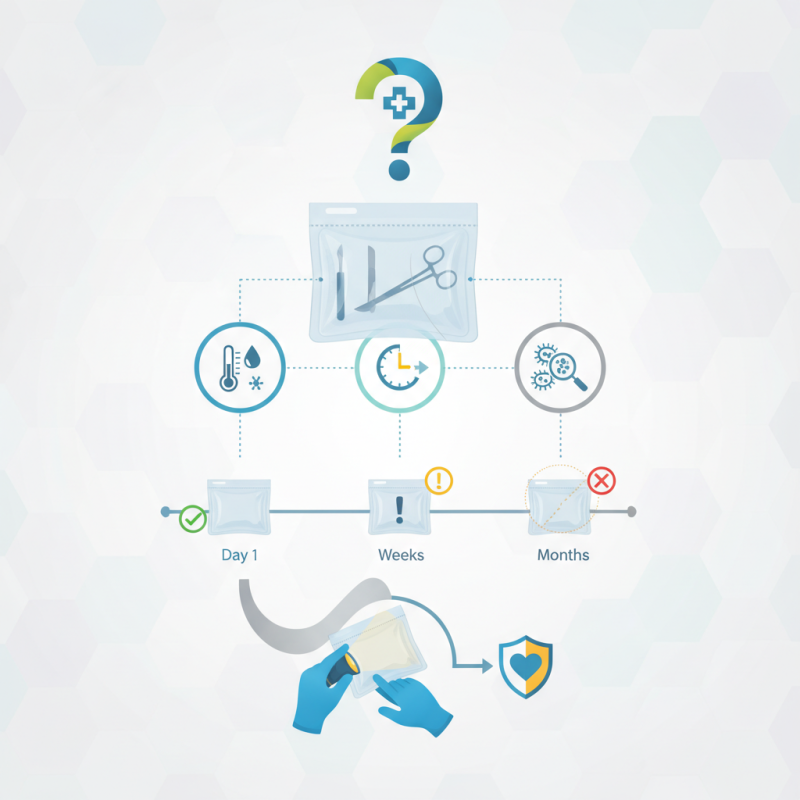
Sterilization is critical in medical environments, ensuring that instruments are free from microbes. The process eliminates pathogens, reducing the risk of infections during procedures. According to the Centers for Disease Control and Prevention (CDC), proper sterilization of instruments decreases the incidence of surgical site infections by up to 50%. This highlights the necessity of rigorous sterilization protocols.
The duration sterile instruments can be stored in pouches varies based on several factors. Studies indicate that after proper sterilization, instruments can remain sterile for six months to a year, depending on storage conditions. Pouches must be kept in a dry, clean environment, away from direct sunlight. Unfortunately, not all facilities adhere to best practices. Inadequate storage can compromise instrument sterility, leading to preventable infections. Ensuring proper handling is essential for patient safety.
Despite advances in technology, many facilities struggle with consistent sterilization practices. A 2021 survey found that 30% of healthcare providers reported issues with maintaining sterile environments. This inconsistency calls for more frequent training and adherence to standards in sterilization procedures. Awareness and diligence are imperative for maintaining instrument integrity and patient safety.
Sterile instruments are essential in healthcare settings. However, their storage time in pouches varies significantly. Several factors influence this duration. Understanding these factors helps in maintaining instrument integrity and safety.
The packaging material plays a vital role in sterilization. Some materials provide better barriers against contaminants. Humidity and temperature also impact storage life. Higher humidity can compromise sterility. In contrast, extreme temperatures can lead to degradation. Regular monitoring of storage conditions is essential.
Another factor to consider is the type of procedure the instruments are intended for. Shorter storage times may apply for high-risk surgeries. This calls for a more vigilant approach. It’s crucial to perform regular audits. Inspect the pouches before each use. If any signs of damage are visible, replacement is necessary. Practicing these measures ensures patient safety and instrument effectiveness.
The storage of sterile instruments in pouches requires careful attention to detail. The Association for the Advancement of Medical Instrumentation states that the recommended shelf life for sterilized items in pouches is typically six to twelve months, depending on various factors.
Proper storage conditions are crucial to maintain sterility. Storing these pouches in a cool, dry place with controlled humidity is essential. The ideal temperature is between 15°C and 25°C (59°F to 77°F).
Furthermore, environmental factors greatly influence the integrity of sterile instruments.
Light exposure can degrade packaging materials over time, leading to a potential risk of contamination. Pouches should be stored away from direct sunlight to prolong their effectiveness.
According to a study by the American Journal of Infection Control, over 30% of facilities fail to monitor environmental conditions adequately, which can compromise instrument sterility.
Care is needed, too, when handling sterile pouches. Lint and dust from the surrounding area can settle on the packages, increasing the risk of infection. It's important to inspect pouches regularly for any signs of damage or compromised seals.
Regular audits are recommended to ensure compliance with storage protocols. These steps are vital in maintaining the safety and efficacy of sterile instruments in healthcare settings.
Sterile instruments are crucial for patient safety in medical settings. However, even within pouches, sterility can be compromised. A study from the Association for the Advancement of Medical Instrumentation (AAMI) indicates that sterile items should not be stored for more than six to 12 months, depending on the environment. Over time, factors such as humidity and temperature can affect sterility.
Signs of compromised sterility should be closely monitored. Discoloration of pouches, any signs of moisture, or visible damage can indicate a problem. A 2021 report by the American Society for Healthcare Engineering stresses the importance of inspecting pouches before use. Instruments stored in damaged or deformed pouches should not be used. Staff training on recognizing these signs is essential yet often overlooked.
It's vital to understand that not all sterile instruments maintain their integrity over time. Some studies suggest user error contributes to these issues. Keeping an accurate inventory and regularly reviewing sterilization protocols can help mitigate risks. Investing in staff education can improve outcomes but requires continuous effort and attention.
| Storage Duration | Material of Pouch | Signs of Compromise | Recommended Actions |
|---|---|---|---|
| Up to 30 days | Plastic | Tears, discoloration, moisture | Inspect and re-sterilize if compromised |
| Up to 6 months | Paper | Dirt, visible dust, damage to seal | Replace if any signs are evident |
| Indefinite with proper storage | Tyvek | Loosened seals, discoloration | Routine monitoring and inspection recommended |
| Up to 1 year | Mylar | Bends, punctures, physical damage | Check integrity regularly, replace as needed |
Storing sterile instruments properly is crucial for patient safety. Sterility can be compromised if instruments are stored incorrectly. The guidelines for managing sterile instrument inventory focus on considerations that healthcare facilities must address. For example, pouches should not be stored in areas with high humidity or fluctuations in temperature.
Monitoring the inventory regularly is essential. Staff must check the integrity of pouches frequently. Any signs of damage or contamination mean they should be discarded. It's helpful to maintain a rotation system to ensure older instruments are used first. Keeping a record of the storage duration can also aid in timely disposal.
Another point is staff training. Everyone involved in handling sterile instruments needs ongoing education. Many facilities overlook this aspect. Regular workshops and training sessions can bridge the knowledge gap. This reinforces the importance of monitoring inventory. If staff are not vigilant, the risk of using compromised tools increases significantly. Creating a culture of accountability is key to effective inventory management.
: Key factors include packaging material, humidity, temperature, and the type of procedures planned for the instruments.
Sterilized items usually have a shelf life of six to twelve months, depending on multiple environmental factors.
Pouches should be stored in a cool, dry place; ideal temperatures range from 15°C to 25°C (59°F to 77°F).
Light exposure and surrounding dust can degrade packaging materials, risking contamination of the instruments.
Regular inspections are crucial. Check for discoloration, moisture, or any visible damage before each use.
Staff training helps recognize signs of compromised sterility and ensures better compliance with storage protocols.
Indicators include discoloration, moisture, or defects in the pouches. Any such signs warrant immediate replacement.
High humidity levels can compromise sterility, making regular monitoring of storage conditions essential.
Instruments stored in damaged pouches should not be used. Replace them immediately for patient safety.
Regular audits ensure compliance with storage protocols and help maintain the safety and efficacy of the instruments.
The article titled "How long can sterile instruments be stored in pouches?" emphasizes the critical role of sterilization in maintaining the safety and efficacy of medical instruments. It identifies several factors that influence the storage time of sterile instruments, including the type of pouch used, environmental conditions, and handling procedures. Recommended storage conditions are outlined to ensure that sterile instrument pouches are kept in a clean, controlled environment to prevent contamination.
Furthermore, the article highlights the signs of potential compromise in the sterility of stored instruments, which may include physical damage to the packaging or changes in color and integrity. It also presents guidelines for monitoring and managing sterile instrument inventory, ensuring that healthcare facilities efficiently track storage times and maintain the highest standards of hygiene. Ultimately, understanding "how long can sterile instruments be stored in pouches" is essential for healthcare providers to minimize infection risks and optimize patient safety.
Onyx Medical