Corrosion poses a significant threat to stainless steel surgical tools. In hospitals, the reliability of instruments is crucial for patient safety. According to a 2022 report by the American Journal of Surgical Research, over 30% of surgical instrument failures stem from corrosion-related issues. This statistic highlights the importance of understanding how to prevent corrosion on stainless steel surgical tools.
Despite stainless steel's resistance to rust, it is not impervious. Environmental factors, improper cleaning, and inadequate sterilization can accelerate corrosion. A study from the Journal of Medical Instruments noted that incorrect maintenance practices lead to a 15% decrease in lifespan for surgical tools. Therefore, attention to detail in the care of these instruments is essential.
Effective prevention strategies are vital. Regular inspections, proper cleaning methods, and appropriate storage conditions can significantly reduce corrosion rates. However, many facilities neglect these best practices, resulting in costly instrument replacements and potential risks to surgical outcomes. A proactive approach is necessary for long-term reliability and safety in surgical procedures.
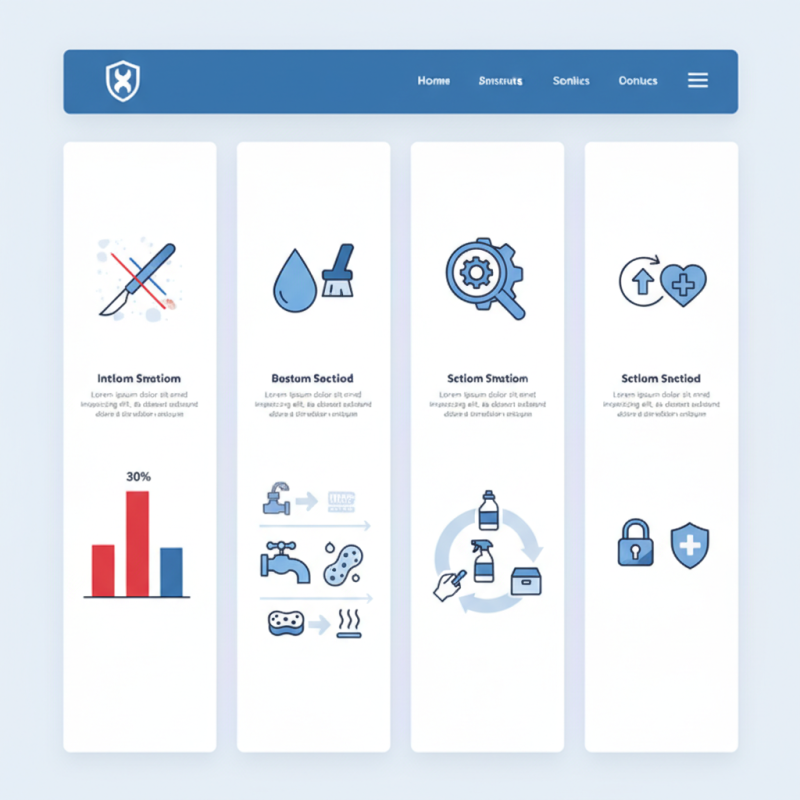
Corrosion in stainless steel surgical instruments is a significant concern for healthcare professionals. Although stainless steel is highly resistant to corrosion, it is not entirely immune. Factors such as exposure to moisture, saline, and certain disinfectants can initiate the corrosion process. Understanding the specific conditions that promote corrosion is crucial for maintaining these vital tools.
Regular cleaning is essential to prevent corrosion. After each use, instruments should be thoroughly washed to remove any organic materials or chemicals. Rinsing with distilled water can help minimize the risk of corrosion. Additionally, it's important to dry the instruments properly, as moisture can linger in crevices. Even minor overlooked areas can become susceptible to rust.
Storage also plays a vital role. Instruments should be placed in a dry, ventilated area. Avoiding contact with non-stainless steel items can further reduce the risk of corrosion. Even the best practices require consideration and reflection. Missteps, such as inadequate drying or improper cleaning, can lead to issues down the line. Regular training for staff can improve maintenance and care, but some challenges persist. Understanding corrosion in stainless steel surgical tools is an ongoing learning process.
| Dimension | Description | Preventive Measures |
|---|---|---|
| Material Composition | Stainless steel primarily contains chromium, which helps resist corrosion. | Use high-grade stainless steel with a minimum of 13% chromium content. |
| Environmental Factors | Humidity, temperature, and exposure to corrosive substances can lead to rust and corrosion. | Store tools in a dry environment and avoid exposure to saline solutions. |
| Cleaning Procedures | Improper cleaning can leave residues that foster corrosion. | Rinse and dry instruments promptly after use; use appropriate cleaning agents. |
| Passivation | A chemical treatment that enhances the protective oxide layer on stainless steel. | Regularly perform passivation on surgical tools to prevent corrosion. |
| Inspect for Damage | Chips, scratches, or abrasions can expose steel to corrosive elements. | Regularly inspect instruments for damage and repair or replace as necessary. |
: Corrosion can occur due to exposure to moisture, saline, and certain disinfectants.
Thoroughly wash the instruments after each use to remove organic materials and chemicals.
Distilled water minimizes the risk of corrosion by reducing contaminants.
Proper drying is crucial; moisture left in crevices can lead to rust.
Instruments should be stored in a dry, ventilated area, away from non-stainless steel items.
A smooth surface reduces contaminants, while rough or damaged surfaces are more prone to rust.
Regular inspections for pitting or discoloration can indicate corrosion issues.
Leaving them submerged too long can lead to rust due to prolonged moisture exposure.
It helps track the condition of tools and identify recurring problems.
There needs to be a balance between safety and air circulation to prevent trapped moisture.
Corrosion in stainless steel surgical instruments is a critical concern that can significantly impact their performance and longevity. To address the question of how to prevent corrosion on stainless steel surgical tools, it is essential to understand the factors influencing corrosion resistance, including the composition of surgical steel alloys and the environments they are exposed to.
Implementing best practices for cleaning and sterilizing surgical tools, as well as employing proper storage techniques, plays a vital role in preventing corrosion. Regular monitoring and maintenance strategies are also crucial for ensuring the durability and reliability of these instruments. By adhering to these guidelines, healthcare professionals can significantly enhance the lifespan of stainless steel surgical tools and maintain their essential functionality.

 Onyx Medical