Plasma sterilization has emerged as a leading choice for various industries dealing with heat-sensitive items. This method effectively eliminates pathogens without compromising the integrity of delicate materials. But why use plasma sterilization for heat-sensitive items? One reason is its low-temperature process. Unlike traditional steam sterilization, plasma treatment operates at temperatures that are far more suitable for fragile equipment.
Another vital aspect is its efficiency. Plasma sterilization cycles are quick yet thorough, ensuring that even complex devices are disinfected properly. Its ability to penetrate intricate surfaces enhances its reliability in maintaining sterility. However, some industry professionals may still question its effectiveness compared to older methods. They may hold onto traditional practices out of habit or uncertainty. This skepticism highlights the ongoing need for education on modern sterilization techniques.
As advancements in technology evolve, the urgency to adopt methods like plasma sterilization grows. It is crucial to weigh the benefits against older options. In doing so, stakeholders can make informed choices that prioritize safety while preserving essential equipment. Embracing plasma sterilization ensures that we meet stringent hygiene standards, especially in sectors such as healthcare and pharmaceuticals.
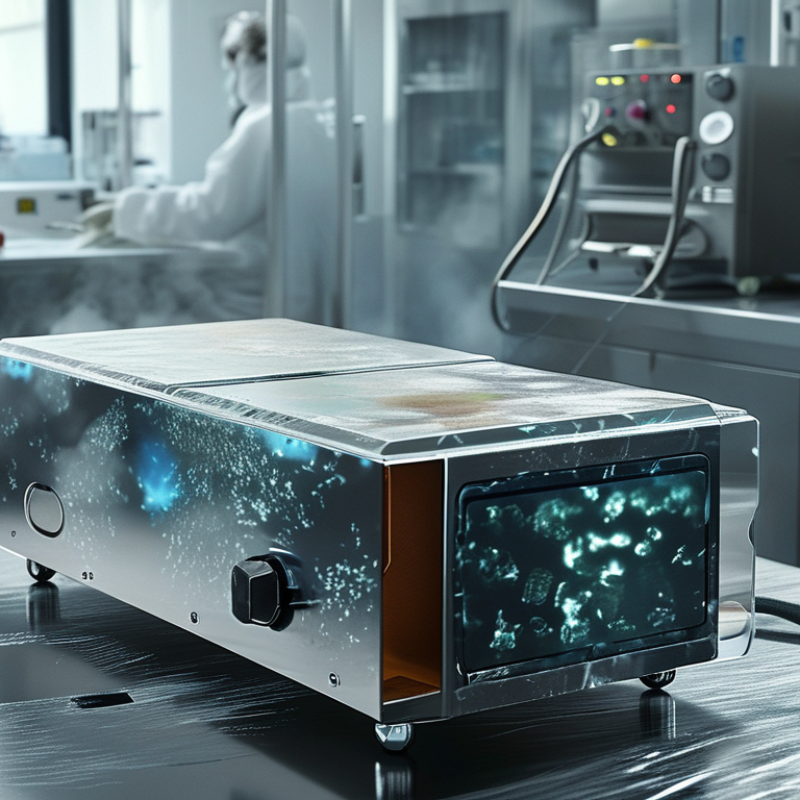
Advantages of Plasma Sterilization for Sensitive Materials
Plasma sterilization offers a unique solution for heat-sensitive items. This method utilizes low-temperature plasma to achieve effective sterilization while preserving the integrity of delicate materials. It’s particularly beneficial for items that cannot withstand traditional heat methods, such as certain medical devices and electronic components. The plasma process is gentle yet thorough, ensuring that even the most fragile objects are treated without compromise.
One key advantage of plasma sterilization is its rapid action. Unlike some methods that require long exposure times, plasma can achieve sterilization in a matter of minutes. This efficiency not only saves time but also reduces the risk of degradation in sensitive materials. Additionally, the process produces no harmful residues, making it safe for use in various environments, including hospitals and laboratories. Many experts recognize plasma sterilization as a reliable choice for maintaining the safety of products that require stringent microbial control.
Despite its benefits, there are still challenges to consider. Some materials may react unpredictably to plasma exposure. It is essential to conduct thorough assessments before proceeding with plasma sterilization. The importance of understanding the specific material properties cannot be overstated. Moreover, the initial investment in plasma technology can be significant. Organizations must weigh these factors against the advantages to find the best sterilization method for their needs.
Mechanism of Action: How Plasma Sterilization Works
Plasma sterilization is an emerging technology ideal for heat-sensitive items. Its mechanism of action relies on creating energized gas from gas molecules. This process generates reactive species, such as free radicals, which effectively kill microorganisms. The low-temperature environment preserves the integrity of sensitive instruments, making it suitable for delicate materials.
In plasma sterilization, the sterilant is typically hydrogen peroxide. Under specific conditions, this gas is transformed into plasma. The reactive species produced then penetrate the surfaces of items, reaching hard-to-access areas. This thorough approach to sterilization enhances effectiveness against resistant pathogens.
Tips: Ensure items are clean before sterilization. Contaminated surfaces may hinder effectiveness. Additionally, setting the right cycle parameters is critical for optimal results. The integration of this technology requires careful monitoring and understanding of the equipment involved.
While plasma sterilization offers many advantages, it is not without challenges. Some materials may not be compatible with the process. Always consult with a sterilization expert to assess which items can safely undergo this method. Awareness of limitations promotes safer practices in medical environments.
Comparison with Traditional Sterilization Methods
Plasma sterilization offers distinct advantages for heat-sensitive items. Unlike traditional methods, such as steam or ethylene oxide sterilization, plasma does not rely on high temperatures. This is crucial for items made from plastics or delicate materials. Traditional methods can warp or damage these components, compromising their integrity.
Plasma technology uses low-temperature gas plasma to effectively eliminate microorganisms. This method is efficient and ensures thorough coverage of complex surfaces. While traditional methods may leave some areas untreated, plasma can reach the nooks and crannies of intricate instruments. Yet, there are challenges too. The process requires specialized equipment and may not be widely available in all settings.
Cost can also be a factor for some healthcare facilities. They might weigh the benefits against their budget constraints. Further, understanding the complexity of plasma sterilization needs experience and knowledge. Staff must be trained to handle equipment correctly. This isn't always straightforward, which could lead to mistakes. Nonetheless, the effectiveness and safety of plasma sterilization remain compelling reasons to consider it for sensitive items.
Applications of Plasma Sterilization in Various Industries
Plasma sterilization has found diverse applications across various industries, proving its effectiveness, especially for heat-sensitive items. In healthcare, it plays a crucial role in sterilizing surgical instruments. These instruments often cannot withstand high temperatures or moisture, making plasma a fantastic choice. Using low-temperature processes, hospitals maintain the integrity of delicate tools while ensuring they are free from harmful pathogens.
The pharmaceutical industry also benefits significantly from plasma sterilization. Many drugs and their packaging require sterilization without compromising their efficacy. Plasma processes effectively eliminate microbial contamination without potentially damaging chemical compounds. This method enhances product safety, which is paramount in this sector.
In the realm of electronics, manufacturers utilize plasma sterilization for sensitive components. Devices with intricate wiring and sensitive materials must remain intact during the sterilization process. While plasma offers a suitable alternative, manufacturers sometimes face challenges in achieving complete assurance of sterility. Continuous improvement and monitoring are necessary to refine these techniques further. Overall, plasma sterilization is growing, but there is always room for advancement in ensuring reliability and efficiency across different applications.
Why Choose Plasma Sterilization for Heat Sensitive Items? - Applications of Plasma Sterilization in Various Industries
| Industry |
Application |
Benefits of Plasma Sterilization |
Typical Items |
| Healthcare |
Sterilization of surgical instruments |
Effective against resistant spores |
Surgical drapes, endoscopes |
| Pharmaceutical |
Sterilizing drug delivery systems |
No damage to sensitive components |
Vials, syringes |
| Food Industry |
Sterilization of packaging materials |
Preservation of taste and nutrition |
Packaged salads, ready-to-eat meals |
| Electronics |
Cleaning circuit boards |
Non-corrosive, no residue |
Microchips, sensors |
| Veterinary |
Sterilization of surgical instruments |
Fast cycle times |
Veterinary surgical tools |
Safety and Environmental Considerations in Plasma Sterilization
Plasma sterilization offers a safe alternative for heat-sensitive items. It effectively eliminates pathogens without high temperatures. This method uses cold plasma, which is less likely to damage delicate devices. Hospitals and laboratories widely adopt this technique due to its efficiency.
Environmental considerations play a vital role in selecting plasma sterilization. Unlike traditional methods, it produces minimal waste. The process generates less pollution and reduces the risk of hazardous byproducts. This aligns with increasing awareness of sustainable practices in various industries.
However, plasma sterilization is not flawless. Some users express concerns about the limitations. For instance, it may not penetrate all materials thoroughly. Additionally, ensuring complete sterilization requires precise conditions. Ongoing research is necessary to improve these aspects further and enhance reliability.
FAQS
: Plasma sterilization is crucial for sterilizing surgical instruments that cannot withstand high temperatures or moisture.
It sterilizes drugs and packaging without damaging their efficacy, ensuring product safety by eliminating microbial contamination.
They struggle to achieve complete sterility for sensitive components, necessitating continuous improvement in sterilization techniques.
Yes, it uses cold plasma, which effectively eliminates pathogens without damaging heat-sensitive electronics and tools.
Plasma sterilization generates minimal waste, leading to less pollution and fewer hazardous byproducts than traditional sterilization methods.
Yes, it may not penetrate all materials thoroughly, and ensuring complete sterilization demands precise conditions.
Ongoing research is necessary to enhance techniques and address the current limitations faced by various industries.
Plasma sterilization is very effective, providing a safe option to sterilize without exposing items to damaging high temperatures.
Plasma is preferred for its efficiency and low environmental impact, which align with sustainable practices in modern industries.
Not always. Users report challenges in achieving complete sterilization, indicating room for improvement in the process.
Conclusion
Plasma sterilization is increasingly favored for heat-sensitive items due to its unique advantages over traditional methods. The process utilizes low-temperature plasma, which effectively eliminates microorganisms without damaging sensitive materials. Why use plasma sterilization for heat-sensitive items? This technique ensures sterility while maintaining the integrity of delicate instruments, making it ideal for industries such as healthcare, electronics, and pharmaceuticals.
The mechanism of action involves generating a reactive plasma from a gas, which interacts with microbial cells to disrupt their structure. Compared to conventional sterilization methods like steam and ethylene oxide, plasma offers a quicker turnaround and greater safety for both personnel and the environment. With its versatile applications, plasma sterilization is a promising solution that addresses the challenges posed by sterilizing heat-sensitive materials, ensuring efficacy and safety in various industrial contexts.

 Onyx Medical