Water quality is essential for the effective use of medical detergents. The healthcare industry reports that contaminants in water can significantly impact cleaning efficiency. According to the World Health Organization (WHO), nearly 2 million deaths each year are linked to healthcare-associated infections. Poor water quality exacerbates this issue.
When discussing "Why is water quality important for medical detergents," it is crucial to note that high mineral content can hinder detergent performance. Studies indicate that hard water requires more detergent to achieve the same cleaning standards. This results in higher operational costs and poses a challenge to maintaining hygiene standards. Moreover, inadequate water quality can leave residues, which may interfere with disinfection processes.
Healthcare facilities must prioritize water quality management. Regular testing and treatment are vital. Facilities often overlook the importance of this aspect, leading to latent risks. As we explore this topic further, it’s evident that addressing water quality can lead to improved patient safety and better health outcomes.
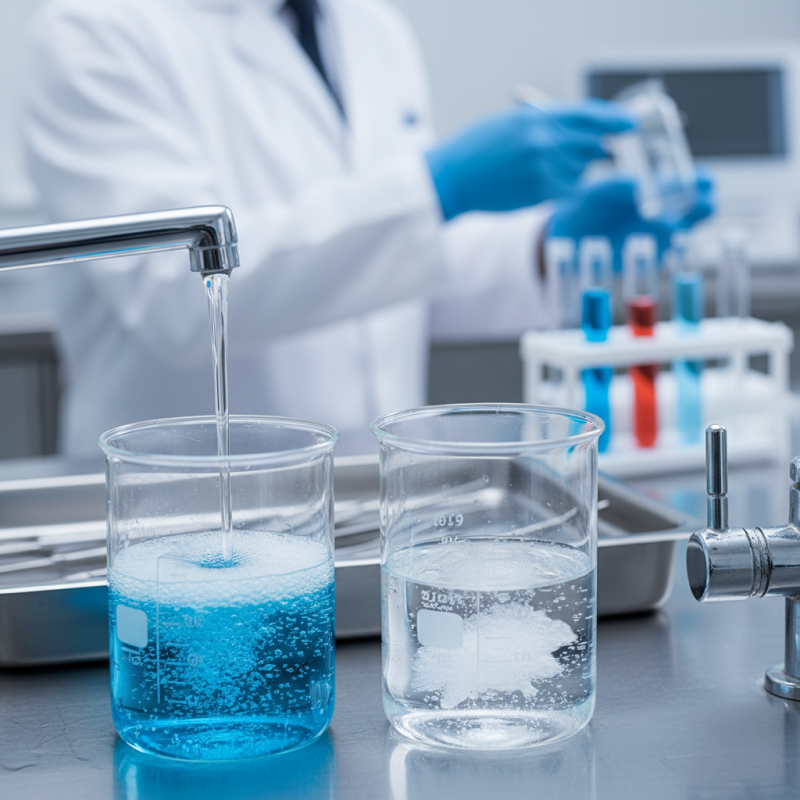
Water quality significantly impacts medical cleaning processes. In healthcare environments, even minor contaminants in water can compromise hygiene. Data from the World Health Organization shows that poor water quality can lead to a 30% increase in healthcare-associated infections. This alarming statistic emphasizes the need for rigorous standards in water quality.
Medical detergents rely on water-soluble formulations. Any impurities can alter their effectiveness. For example, hard water can result in less efficient cleaning and residue buildup. A study published in the Journal of Hospital Infection found that inadequate cleaning due to poor water conditions can leave surfaces contaminated with pathogens, making effective disinfecting nearly impossible.
Many healthcare facilities are beginning to assess their water quality management. However, challenges remain. Some facilities overlook the importance of regular testing. This oversight can lead to unrecognized water quality issues. As a result, patients are at an increased risk of exposure to infections. Regular monitoring and maintaining high water quality standards are essential in supporting the efficiency of medical detergents in cleaning.
| Factor | Impact on Medical Cleaning | Recommended Water Quality Standards |
|---|---|---|
| pH Level | Affects detergent effectiveness and surface compatibility. | 6.5 - 8.5 |
| Hardness | Can lead to scale buildup reducing cleaning efficiency. | < 150 mg/L CaCO3 |
| Turbidity | Impacts cleaning visibility and microbial contamination. | < 1 NTU |
| Chlorine Levels | Excessive chlorine can cause damage to cleaning instruments. | < 4 mg/L |
| Microbial Count | High counts can lead to ineffective cleaning processes. | < 100 CFU/mL |
: Water quality affects the antimicrobial properties of detergents. Contaminants can significantly impair their effectiveness.
Heavy metals, chlorine, and other pollutants can adversely affect detergent performance. Even small amounts can pose risks.
A neutral pH, around 7, is optimal for cleaning. Deviations can reduce the effectiveness of active ingredients.
Hard water contains high minerals that react with detergents. This reaction leads to reduced cleaning power and efficacy.
Many facilities overlook the importance of water quality, leading to poor cleaning outcomes. Awareness is often lacking in this area.
Regular testing for contaminants is crucial. Facilities can also consider water softeners to address hardness issues.
Subpar cleaning can increase infection risks. Uncontaminated medical instruments are essential for patient care and safety.
Improving water quality requires ongoing effort. It’s a common oversight, and many do not prioritize this vital aspect.
No, the performance of detergents varies based on water quality. Using suitable pH and softness is key for effectiveness.
Understanding the impacts of pH and hardness can lead to better cleaning practices. Enhanced knowledge improves hygiene standards.
Water quality is crucial for medical detergents due to its significant impact on cleaning processes in healthcare settings. High-quality water ensures the efficacy of detergents, as contaminants can hinder their performance, reducing their ability to eliminate pathogens effectively. Factors such as pH and hardness play a vital role in determining how well detergents function; for instance, hard water can interfere with the cleansing action of certain products, leading to inadequate sanitation.
Moreover, stringent regulations and standards have been established to govern the quality of water used in healthcare environments to safeguard patient safety and enhance infection control. Poor water quality can lead to serious consequences, including heightened risk of infections, undermining the safety of patients undergoing treatments. Hence, understanding "why is water quality important for medical detergents" is essential for maintaining high standards of healthcare cleanliness and ensuring optimal patient outcomes.

 Onyx Medical