How to Effectively Remove Protein Residues from Medical Devices?

Time:2026-06-19 Author:Charlotte
0%

Removing protein residues from medical devices is critical for patient safety. Proteins can cling to surfaces and lead to contamination. This poses serious risks for infections and complications. Understanding how to remove protein residues from medical devices requires a comprehensive approach.

Effective cleaning methods are essential. This might involve enzymatic cleaners designed for protein degradation. The choice of cleaning agents can significantly influence the results. Inadequate cleaning can lead to residue build-up. Regular validation of cleaning processes is crucial to ensure reliability.

We must consider the intricacies of each device. Different materials react differently to cleaning agents. Manufacturers often provide specific guidelines. However, real-world practices may reveal challenges. Continuous improvement in cleaning methods is necessary. Ongoing research and expertise will enhance our ability to ensure device safety.
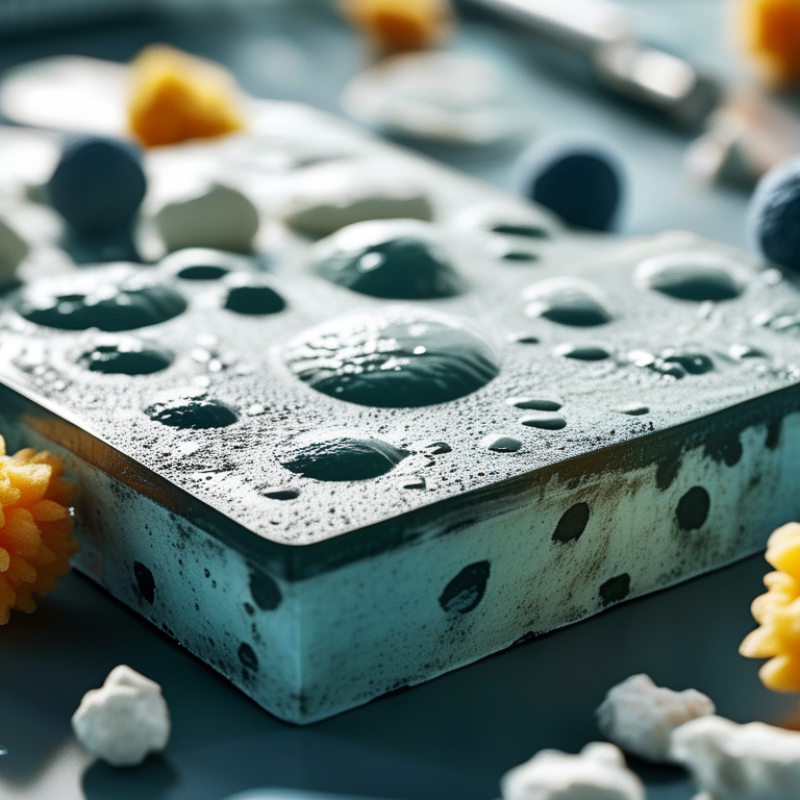
How to Effectively Remove Protein Residues from Medical Devices?

Understanding Protein Residues and Their Impact on Medical Devices

Understanding protein residues is crucial in the medical device industry. These residues can significantly affect device performance and patient safety. According to studies, over 40% of healthcare-associated infections are linked to inadequate cleaning of medical instruments. Protein residues can lead to biofilm formation, making sterilization less effective. This highlights the need for effective cleaning protocols.

To minimize protein residue, consider these tips:

  1. Use enzymatic cleaners designed to break down proteins.
  2. Rinse devices thoroughly to remove any loose particles.
  3. Validate cleaning processes regularly to ensure effectiveness.

The presence of protein residues complicates the sterilization process. Many devices may appear clean but harbor invisible residues. Insufficient cleaning can lead to serious infections. Additionally, residual proteins can alter the adhesion properties of bioactive coatings, affecting device functionality.

Regular training for staff on cleaning techniques is essential. Studies indicate that inconsistent cleaning practices can cause variability in clinical outcomes. Monitoring compliance with cleaning protocols can help improve device safety. By understanding the impact of protein residues, healthcare professionals can ensure better patient outcomes and enhance device reliability.

Common Methods for Protein Residue Detection and Analysis

Detecting and analyzing protein residues on medical devices is crucial for ensuring patient safety. There are several widely accepted methods employed in laboratories. One common technique is enzyme-linked immunosorbent assay (ELISA). This method uses antibodies to specifically bind to the protein residues, providing a quantitative measure of contamination. ELISA is relatively straightforward and offers reliable results, but it can be time-consuming.

Another effective method is the use of spectroscopic techniques, such as infrared or Raman spectroscopy. These methods can identify and quantify protein residues based on their unique spectral signatures. They provide rapid results and can analyze multiple samples simultaneously. However, the interpretation of spectroscopic data can be complex and may require experienced personnel.

Surface-adhesion methods, such as contact angle measurement, offer additional insights. They can indicate the presence of protein residues based on how fluids interact with device surfaces. While useful, these methods might not provide a definitive analysis of protein type.

Overall, choosing the right detection method depends on available resources and specific analytical needs. Each method has its strengths and weaknesses, highlighting the importance of a tailored approach to ensure effective residue removal.

Effective Cleaning Agents for Removing Protein Residues

Cleaning medical devices requires precision. Protein residues can adhere to surfaces, creating challenges. Effective cleaning agents are essential in this process. They must target proteins specifically, breaking them down for easy removal.

Enzymatic cleaners are often recommended. They contain enzymes that digest protein molecules. These agents work best in specific pH levels and temperatures. It's crucial to follow the manufacturer's instructions for optimal effectiveness. However, the use of enzymatic cleaners is not always straightforward. Some may leave behind residues themselves.

Surfactants also play a key role. They lower the surface tension of water, allowing for better penetration into crevices. Certain formulations are more effective than others. Experimentation may be necessary to find the right blend. Occasionally, using a combination of cleaning agents yields the best results. This trial-and-error approach can be time-consuming. It's vital to validate the cleaning process to ensure no residues remain.

Step-by-Step Cleaning Procedures for Different Medical Devices

Cleaning medical devices requires precision. Different devices have unique cleaning needs. Follow these procedures carefully to ensure safety and functionality.

For surgical instruments, start by rinsing them with cold water. This prevents proteins from drying. Use a soft brush for surfaces that are hard to reach. Employ enzymatic cleaners to break down proteins effectively. Rinse thoroughly afterward. Pay attention to joints and hinges, as residues often cling to these areas.

In the case of endoscopes, disassemble and clean each part separately. Use a low-speed mechanical cleaner if possible. Soak components in an enzymatic solution for the best results. Ensure that all channels are flushed with cleaning solution.

Tips: Always wear gloves and protective gear. Contaminated devices pose infection risks. Regular training on cleaning protocols can enhance your team’s efficiency. Identify areas needing improvement in your current cleaning procedures. Small changes can have a big impact on device safety.

Best Practices for Preventing Protein Residue Buildup in Medical Equipment

Preventing protein residue buildup on medical devices is crucial for patient safety and equipment longevity. Regular cleaning is essential. Use detergents specifically designed to break down protein. These cleaning agents can effectively remove stubborn residues. It's important to follow the manufacturer's guidelines while choosing a cleaning solution. Remember, even slight deviations can lead to inadequate cleaning.

In addition to cleaning, drying procedures also require attention. Air drying can leave moisture, which may promote bacterial growth. Instead, consider using lint-free towels for better results. Equipment should be inspected regularly for any signs of residue. Visual checks can reveal hidden buildup that cleaning might miss. Training staff on proper cleaning techniques is vital. Knowledgeable personnel are less likely to overlook critical steps.

It's easy to overlook the importance of this aspect of maintenance. Some may assume that visible dirt is the only concern. Yet, microscopic residues can pose significant risks. Regular audits can help identify gaps in cleaning protocols. Reflection on existing practices can lead to more effective strategies for managing protein residues. The goal should always be to enhance safety and efficacy in medical environments.

Protein Residue Buildup in Medical Equipment

FAQS

: Why is protein residue detection important for medical devices?

: It ensures patient safety by preventing contamination. Residue can harbor harmful pathogens.

What is ELISA in protein detection?

ELISA uses antibodies to measure protein residues. It is reliable but time-consuming.

How do spectroscopic techniques work for residue analysis?

They identify residues based on unique spectral signatures. Rapid results can be obtained, yet data interpretation can be complex.

What are surface-adhesion methods?

These methods, like contact angle measurement, analyze fluid interactions with surfaces. They provide useful insights but might not identify protein types.

What steps are involved in cleaning surgical instruments?

Rinse with cold water first. Use a soft brush and enzymatic cleaners, paying attention to joints and hinges.

How should endoscopes be cleaned?

Disassemble them and clean parts separately. Soak in an enzymatic solution and flush all channels.

What cleaning agents should be used for protein removal?

Use detergents designed for breaking down protein. Following manufacturer guidelines is crucial.

Why is drying important after cleaning?

Air drying can cause bacteria growth. Lint-free towels are better for preventing moisture retention.

How can staff training impact cleaning effectiveness?

Knowledgeable staff are less likely to miss critical steps. Regular training can enhance overall cleaning protocols.

What are some signs of inadequate cleaning?

Visible residue might be obvious. However, microscopic buildup can be more dangerous and often goes unnoticed.

Conclusion

In the medical field, understanding protein residues and their impact on medical devices is crucial to ensuring patient safety and device efficacy. This article provides insights on how to remove protein residues from medical devices, highlighting common methods for detection and analysis. Various effective cleaning agents are discussed, along with step-by-step cleaning procedures tailored for different types of medical equipment.

Additionally, the article emphasizes best practices for preventing protein residue buildup, promoting a proactive approach to device maintenance. By following these guidelines, healthcare professionals can ensure that their medical instruments remain free of harmful contaminants, ultimately enhancing patient care and operational efficiency.

Charlotte

Charlotte

Charlotte is a seasoned marketing professional with a deep understanding of the company's portfolio and a passion for elevating its presence in the market. With a keen eye for detail and a commitment to excellence, she ensures that our professional blog is regularly updated with insightful articles......