Validating a medical washer-disinfector is essential in healthcare settings. It ensures that the equipment performs efficiently and effectively in cleaning and disinfecting medical instruments. Understanding how to validate a medical washer-disinfector involves various procedural steps and scientific principles. This process not only aims to maintain hygiene standards but also to mitigate risks associated with improper disinfection.
To achieve effective validation, it’s critical to follow established protocols. This may include the use of biological indicators and chemical markers. Each validation step provides insights into the washer-disinfector's performance. Real-world experience can highlight common pitfalls, such as inconsistent loading or incorrect settings. These oversights can lead to reduced efficacy, emphasizing the need for continuous improvement in validation practices.
Moreover, proper training of healthcare staff is vital. Personnel should be aware of the validation process and the implications of failing to meet standards. Even seasoned professionals in the field can encounter challenges, indicating a need for ongoing education. Fostering a culture of vigilance and accountability will lead to better outcomes. In conclusion, knowing how to validate a medical washer-disinfector is not just about following protocols; it is about ensuring patient safety and enhancing overall healthcare quality.
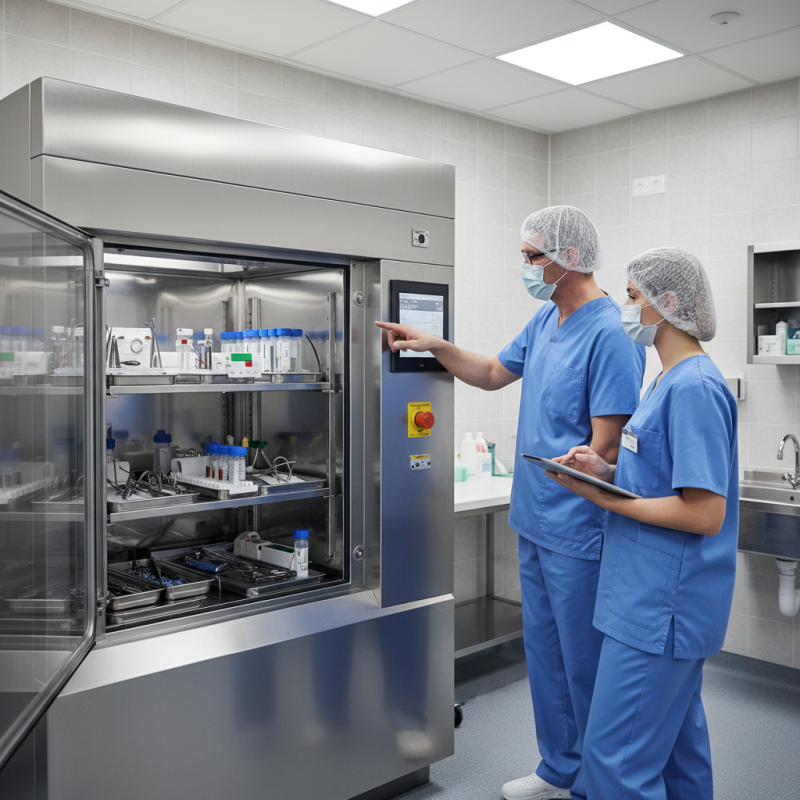
Medical washer disinfectors play a crucial role in maintaining hygiene in healthcare settings. Their effectiveness directly impacts patient safety. According to the World Health Organization, proper disinfection can reduce hospital-acquired infections by up to 30%. This stark statistic underscores the need for rigorous validation protocols.
Validation ensures that these disinfection units operate correctly and consistently achieve optimal results. A study published in the "Journal of Hospital Infection" indicates that up to 20% of washer disinfectors may not meet required standards without regular validation checks. Addressing this gap is vital. Regular assessments can highlight inefficiencies and prevent potential outbreaks caused by improperly disinfected instruments.
Tip: Always document validation results meticulously. This builds a reliable record that can be referenced for audits and compliance.
It is equally important to reassess protocols periodically. Changes in regulations or practices can render older validation methods obsolete. Engaging with industry guidelines is necessary for ensuring effectiveness. Hospitals should invest in training staff on the latest validation techniques.
Tip: Stay informed about emerging technologies in disinfection. Innovations often lead to improved efficiency and safety. Adapting to these changes reflects a commitment to patient care.
In the field of healthcare, effective disinfection of medical utensils is critical. Several key standards and regulations guide this process. Organizations like the CDC and ISO provide frameworks to ensure compliance. These standards ensure that medical washers reach the necessary temperature and maintain appropriate cycles for thorough cleaning and disinfection.
It is essential to stay updated on local and international guidelines. This vigilance helps avoid potential pitfalls. Regular audits can reveal gaps in compliance. Facilities should prioritize staff training on these regulations. Well-informed staff can operate equipment correctly, enhancing overall safety.
Tips: Regularly review the current standards relevant to your region. Implement a checklist for daily operations. Encourage staff to report any discrepancies or issues. Discussing challenges openly can help improve processes. Continuous improvement is key to reliability in disinfection practices.
| Standard/Regulation | Description | Testing Method | Frequency of Validation |
|---|---|---|---|
| ISO 15883 | Standard for washer-disinfectors to ensure effective cleaning and disinfection. | Microbial challenge testing | Annually |
| AAMI TIR 34 | Technical Information Report for validating cleaning processes. | Chemical indicator validation | Quarterly |
| FDA Guidelines | Regulatory requirements for medical device reprocessing, including washer disinfection. | Performance qualification | Biannually |
| EN 15883 | European standard for the validation of washer-disinfectors. | Temperature and time monitoring | Monthly |
Validating a medical washer disinfector is crucial for ensuring effective infection control. To begin the process, establish a validation plan that outlines specific criteria, including microbial reduction rates and cleaning efficacy. Industry standards suggest that washer disinfectors should achieve at least a 6-log reduction of microbial loads to be considered effective.
The validation process typically involves several tests. Use biological indicators to confirm sterilization effectiveness. These indicators are designed to challenge the system with organisms resistant to disinfection, revealing potential flaws in the process. Regularly reviewing data over time can unveil trends or areas requiring improvement. Notes from clinical audits show that 15 to 20% of washer disinfectors underperform, often due to improper loading or malfunctioning components.
Environmental factors like water quality and temperature play critical roles in disinfection outcomes. Data indicates that water hardness can reduce the efficacy of disinfectants. Calibration of temperature controls is also vital, as deviations of just a few degrees can impact performance. Continuous monitoring and adjustment are necessary, reflecting the dynamic conditions of hospital environments. Regular training for staff on proper loading techniques and machine maintenance can reduce human errors.
Validating a medical washer disinfector can be a complex process. Many facilities face challenges along the way. Common issues include inconsistent cleaning results and inadequate documentation practices. These hurdles can hinder compliance with healthcare standards.
One challenge is ensuring thorough cleaning of various instruments. Sometimes, specific items may not fit properly inside the washer. Adjustments to the loading process may be necessary. Regularly evaluate the loading configurations to maximize disinfection efficiency. Consider using load indicators to track cleaning effectiveness.
Another frequent difficulty is maintaining precise records. Proper documentation is crucial for validation. Without it, demonstrating compliance becomes challenging. Create standardized forms that capture essential data. These can streamline the process and help avoid errors. Regular audits can also ensure adherence to protocols and identify gaps.
When dealing with these challenges, continuous training is vital. Staff should be well-informed about the validation process. Provide workshops and hands-on demonstrations. Encouraging open discussions about difficulties can lead to collective problem-solving.
Effective validation of a medical washer disinfector hinges on rigorous documentation and reporting of results. Documenting validation processes is crucial for compliance with industry standards. Each step must be noted meticulously. This includes parameters like temperature, cycle time, and chemical concentrations. Operators should keep logs for every test, detailing any deviations from expected results. This approach fosters transparency and accountability.
Consistent reporting is essential. Validation reports must capture raw data and analysis. It's not enough to just present successful outcomes; unsuccessful tests also need to be recorded and examined. These reports should be easily accessible for audits. They serve as a historical record and offer insight into the machine's performance over time. Reflection on past validations can highlight recurring issues. Addressing these can enhance future compliance efforts.
Regular training and updates on documentation practices for staff encourage a culture of diligence. Inconsistencies in logs or incomplete records can lead to significant compliance risks. Understanding the importance of clear documentation can step up the effectiveness of validation, ensuring reliable operation of medical washer disinfectors.
: Validation ensures correct operation and consistent disinfection. It directly influences patient safety and reduces infection rates.
Up to 20% of washer disinfectors may fail to meet standards without checks. This can lead to hygiene gaps and potential outbreaks.
Establishing a validation plan with specific criteria is essential. This includes microbial reduction rates and cleaning efficacy.
Water quality and temperature are critical. Hard water can reduce disinfectant efficacy, and slight temperature deviations impact performance.
Documenting validation results meticulously is vital. Create standardized forms to capture essential data for audits and compliance.
Regularly evaluate load configurations to maximize efficiency. Adjustments may be necessary for items that don’t fit properly.
Continuous training is crucial. Provide workshops, demonstrations, and encourage open discussions about challenges to enhance understanding.
Inconsistent cleaning results and inadequate documentation are common hurdles. They can hinder compliance with healthcare standards.
Periodic reassessment is necessary due to changing regulations. Staying updated ensures the validation methods remain effective.
Load indicators help track cleaning effectiveness. They can highlight issues and improve overall validation processes.
The article "How to Validate a Medical Washer Disinfector Effectively?" emphasizes the critical importance of validation in ensuring that medical washer disinfectors meet required safety and efficacy standards. It outlines the key standards and regulations that govern the disinfection process, highlighting the necessity of adhering to these guidelines to maintain compliance and ensure patient safety.
Furthermore, the article provides step-by-step procedures for validating washer disinfectors, addressing common challenges that facilities may encounter during the validation process and offering solutions to overcome them. Finally, it stresses the significance of thorough documentation and reporting of validation results, which are essential for regulatory compliance and for providing transparency in the disinfection process. This comprehensive approach to understanding how to validate a medical washer-disinfector ensures that healthcare facilities can maintain high standards of hygiene and patient care.

Onyx Medical