How to Use Process Challenge Devices Effectively in CSSD?

Time:2026-06-01 Author:Amelia
0%

In the realm of Central Sterile Supply Departments (CSSDs), the effectiveness of sterilization processes hinges on the proper use of various tools. This is where the question arises: "How to use process challenge devices in CSSD?" Process challenge devices (PCDs) play a vital role in verifying the efficacy of sterilization cycles. They help ensure that the steam or gas penetrates through to the sterile barriers. However, many facilities struggle with their implementation.

Understanding how to use process challenge devices in CSSD requires both knowledge and hands-on experience. It is essential for the staff to be trained thoroughly. Yet, despite training, challenges remain. Sometimes, PCDs are not placed properly, which can lead to inaccurate results. This is a critical point that demands attention.

Reflections on past practices show that complacency can lead to errors. Consistent monitoring and re-evaluation of PCD use are necessary to enhance reliability. A culture of continuous improvement can empower teams to make adjustments as needed. Embracing such a mindset is crucial for maintaining high standards in sterilization practices.
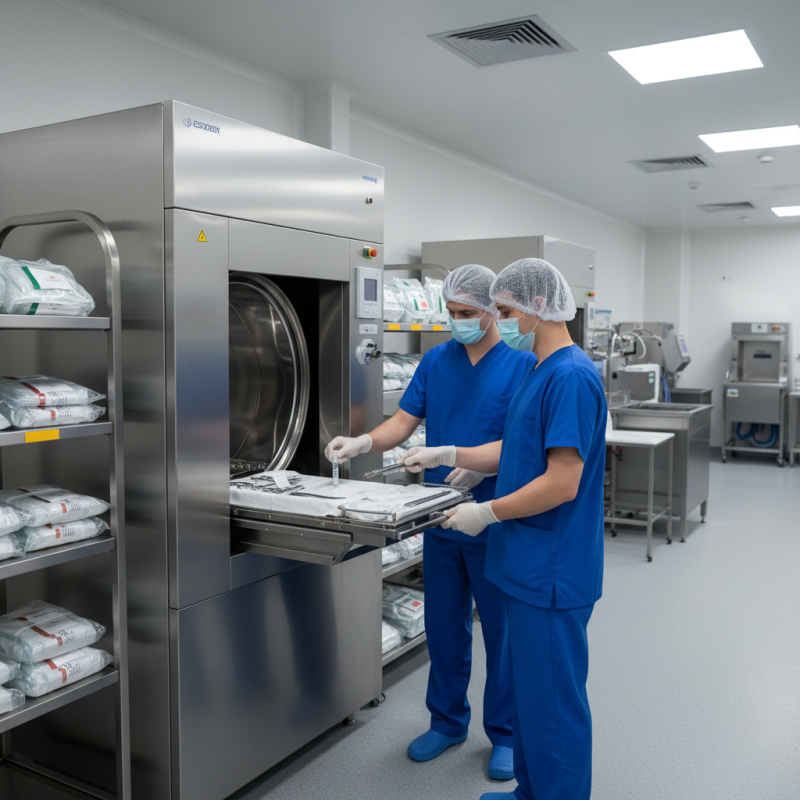
How to Use Process Challenge Devices Effectively in CSSD?

Understanding Process Challenge Devices (PCDs) in CSSD

Process Challenge Devices (PCDs) play a critical role in Central Sterile Supply Departments (CSSDs). These devices help verify whether sterilization processes are effective. PCDs simulate loads of instruments. They ensure that sterilizers are working correctly. Regular use of PCDs is necessary to maintain compliance with infection control standards.

Understanding how to use PCDs effectively requires training. Staff must be familiar with different types of PCDs. For instance, biological indicators (BIs) and chemical indicators (CIs) serve different purposes. Knowing when to use each type can significantly impact sterilization monitoring. Sometimes, staff may overlook the results of PCDs. This oversight can lead to unsafe practices. Critical thinking plays a huge role when interpreting results.

Reflection is essential in using PCDs effectively. Regular audits can help identify gaps in the process. Staff should discuss failures without fear. This openness fosters a learning culture. Training sessions should not only cover usage, but also the importance of PCDs. Continuous learning and sharing experiences strengthen the team's overall effectiveness and reliability.

How to Use Process Challenge Devices Effectively in CSSD?

Dimension Description Frequency of Use Effectiveness Rating
Type of PCD Chemical Indicator Daily 95%
Type of PCD Biological Indicator Weekly 98%
Type of PCD Physical Indicator Per Cycle 90%
Type of PCD Steam PCD Per Cycle 97%
Type of PCD Ethylene Oxide PCD Weekly 94%

Types of Process Challenge Devices and Their Uses

Process Challenge Devices (PCDs) are essential tools in Central Sterile Supply Departments (CSSD). They help ensure that sterilization processes are effective and reproducible. There are various types of PCDs available, each serving a specific purpose.

Steam PCDs often utilize biological indicators. These indicators contain bacterial spores that survive the sterilization process. If spores survive, it indicates that the steam penetration was inadequate. Another common type is the dry heat PCD. This device verifies the efficacy of dry heat sterilization, which requires longer exposure times for effective results.

Tips: Regularly check the expiration dates of PCDs. Using expired devices can lead to misleading results. Ensure proper storage conditions for PCDs to maintain their integrity. Lastly, document all results meticulously. This practice helps build a reliable history of sterilization processes.

Reflecting on PCD use can reveal areas for improvement. It's important to discuss any discrepancies with your team. Be open to adjusting protocols based on PCD feedback. This practice encourages ongoing education and ensures that safety remains a priority in the CSSD.

Best Practices for Implementing PCDs in CSSD

Implementing Process Challenge Devices (PCDs) in Central Sterile Supply Departments (CSSDs) requires careful planning. It is essential to understand the specific needs of your facility. Begin by selecting PCDs that align with the sterilization methods you employ. Common techniques include steam, ethylene oxide, and hydrogen peroxide. Each method has unique specifications for PCDs, which must be followed.

Training staff effectively is crucial. Staff should comprehend the importance of using PCDs correctly. Regular training sessions help reinforce best practices. Encourage team discussions about challenges faced during the sterilization process. This can lead to improvements and a deeper understanding of how PCDs function in real-world situations. Be ready to adapt practices as new information and technologies emerge.

Monitoring results is vital. Keep detailed records of PCD outcomes to identify trends or issues. Analyze data regularly to reflect on your current processes. Feedback from staff can reveal areas needing adjustment. Emphasizing a culture of continuous improvement fosters reliability in sterilization practices. By embracing these strategies, CSSDs can enhance their implementation of PCDs while acknowledging that perfection is an ongoing journey.

Interpreting Results from Process Challenge Devices

Interpreting results from Process Challenge Devices (PCDs) is crucial for ensuring the effectiveness of sterilization in Central Sterile Supply Departments (CSSD). PCDs simulate the sterilization process by using biological and chemical indicators. These indicators help to confirm whether the sterilization parameters were achieved. It is essential to analyze the results thoroughly to identify any potential issues.

When the results show a consistent failure, it may indicate problems in the sterilization process. Operators should investigate possible reasons, such as improper loading or equipment malfunction. It's important to document these findings. This documentation serves as valuable evidence for quality control efforts. Continuous education and training for staff can also mitigate potential errors, enhancing overall reliability.

However, results may not always be clear-cut. Sometimes, PCDs may pass, yet sterilization efficiency could still be in question. Regular calibration and maintenance of sterilization equipment are critical factors. Reflection on performance and protocols can unveil areas ripe for improvement. Actively fostering a culture of accuracy and vigilance ensures that the CSSD operates at its best.

Regular Maintenance and Calibration of PCDs in CSSD

Regular maintenance and calibration of Process Challenge Devices (PCDs) in Central Sterile Supply Departments (CSSDs) are crucial for ensuring the sterilization process's reliability. PCDs assess the efficacy of sterilizers, but their effectiveness hinges on regular checks and balances. These devices must be calibrated according to industry standards and checked frequently for wear and tear. A worn device can yield false results, leading to questions about the overall safety of sterile instruments.


Furthermore, staff training plays a vital role in PCD maintenance. Personnel should receive proper training on how to handle and maintain these devices. However, many teams overlook this step, leading to inconsistent results. Documentation of maintenance activities is equally important. Records should reflect all calibration dates and any issues encountered. Neglecting these details can result in a lack of accountability and increased risk during surgical procedures.


The environment in which PCDs operate also affects their performance. Factors like temperature and humidity can influence the calibration and results. It’s vital to store these devices appropriately. Regularly assessing the storage conditions forms an essential part of a comprehensive maintenance strategy. Frequent audits may identify areas needing improvement, challenging teams to enhance their practices continuously.

FAQS

: What are Process Challenge Devices (PCDs)?

: PCDs are tools that verify the effectiveness of sterilization processes in Central Sterile Supply Departments.

Why is training important for using PCDs?

Training helps staff understand the types of PCDs and their correct applications, impacting sterilization monitoring.

How can staff reflect on their use of PCDs?

Regular audits and discussions about failures can help identify gaps and encourage a learning culture.

What factors should be considered when implementing PCDs?

Facilities must select PCDs that match their sterilization methods and specific operational needs.

What role does data monitoring play in using PCDs?

Monitoring outcomes helps identify trends and potential issues, guiding improvements in sterilization practices.

Why is regular maintenance important for PCDs?

Proper maintenance and calibration ensure PCDs function accurately, avoiding false results in sterilization verification.

How does the environment affect PCD performance?

Factors like temperature and humidity can influence calibration, emphasizing the need for appropriate storage conditions.

What happens if teams neglect documentation of PCD maintenance?

Lack of documentation can lead to accountability issues and increase risks in sterilization outcomes.

How can teams improve their use of PCDs?

Encourage open discussions about challenges and adapt to new information and technology continuously.

Why is it essential to embrace continuous improvement in PCD practices?

Perfection is an ongoing journey, and constant reflection can lead to better sterilization reliability.

Conclusion

The article "How to Use Process Challenge Devices Effectively in CSSD" provides an in-depth overview of Process Challenge Devices (PCDs) and their critical role in the Central Sterile Supply Department (CSSD). It begins by explaining what PCDs are, highlighting their various types and specific applications within sterilization processes. Best practices for implementing PCDs are discussed, emphasizing the importance of proper usage to ensure effective sterilization.

Additionally, the article outlines how to interpret the results obtained from PCDs, guiding professionals in making informed decisions based on the data. Regular maintenance and calibration of these devices are crucial, ensuring accuracy and reliability in testing. Overall, the content provides essential insights on how to use process challenge devices in CSSD, promoting best practices for optimal performance and safety in sterile processing.

Amelia

Amelia

Amelia is a seasoned marketing professional with a wealth of expertise in our company’s core offerings. With an unwavering passion for driving growth and innovation, she plays a pivotal role in shaping our marketing strategies and enhancing brand visibility. A key aspect of her responsibilities......