Surgical instruments require meticulous cleaning to ensure patient safety and instrument longevity. One effective method for this is using enzymatic detergents. So, why use enzymatic detergents for surgical instruments? These specialized cleaners break down organic matter, such as blood and tissue, that traditional soaps might miss. This process is essential. It ensures that every crevice of the instrument is properly cleaned.
Many medical professionals recognize the importance of thorough cleaning. Enzymatic detergents are not just a trend; they are grounded in scientific research. Their effectiveness is supported by studies highlighting their ability to enhance disinfection and reduce infection rates. However, some may overlook the need for regular use of these enzymes. It can lead to residual contaminants.
Moreover, choosing the right enzymatic detergent is crucial. Not all products are created equal. Understanding the specific needs of your instruments is essential for optimal cleaning. In conclusion, using enzymatic detergents plays a vital role in maintaining the integrity of surgical instruments. This choice reflects a commitment to both patient care and professional excellence.
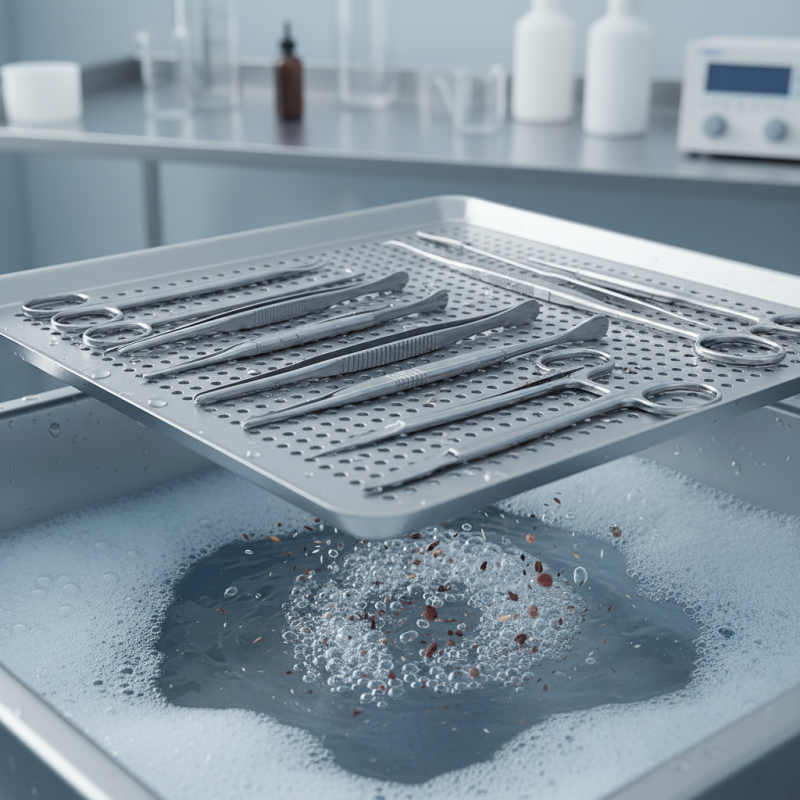
Enzymatic detergents are a vital choice for cleaning surgical instruments. These detergents contain enzymes designed to break down organic matter, such as blood and tissue. By using enzymatic detergents, healthcare facilities can ensure thorough cleaning. This process is essential for preventing infections and ensuring the safety of patients.
One major benefit of enzymatic detergents is their efficiency. They work effectively at various temperatures, which allows for flexible cleaning procedures. Additionally, they are often more environmentally friendly than traditional cleaners. Using them not only improves hygiene but can also reduce the environmental impact of surgical instrument cleaning.
Tips: Always follow the manufacturer's instructions for enzyme concentrations. This ensures optimal cleaning results. Regularly assess your cleaning protocols to incorporate newer, efficient methods. Investing in training staff on proper techniques is just as crucial as choosing the right detergent. Ultimately, the goal should be to maintain the highest standard of instrument cleanliness while being mindful of resources and their impact.
| Benefit | Description | Effectiveness | Recommended Usage |
|---|---|---|---|
| Enhanced Cleaning Power | Breaks down organic matter effectively, ensuring cleaner instruments. | High | Use for soaking and machine cleaning cycles. |
| Time Efficiency | Faster cleaning process compared to traditional detergents. | Moderate to High | Optimal for pre-soaking instruments before cleaning. |
| Environmentally Friendly | Made from natural enzymes, reducing toxic chemical usage. | High | Use as part of a green cleaning initiative. |
| Material Compatibility | Safe for a wide variety of surgical instruments. | High | Ideal for delicate instruments requiring special care. |
| Cost-Effectiveness | Reduces the need for multiple cleaning agents. | Moderate | Best for facilities looking to streamline cleaning supplies. |
: Enzymatic detergents contain enzymes that break down organic matter like blood and tissue.
They ensure thorough cleaning of surgical instruments, preventing infections and ensuring patient safety.
They work effectively at various temperatures and often provide a deeper clean than manual scrubbing.
Yes, they tend to be more environmentally friendly than traditional cleaners, reducing ecological harm.
They might leave up to 20% of biofilm intact, posing a risk during surgical procedures.
Always follow the manufacturer's instructions for enzyme concentrations for optimal results.
Some users struggle with dilution ratios and require proper training to use them effectively.
Reports show a 30% reduction in bioburden compared to traditional methods.
Without proper training, the effectiveness of detergent use may be compromised.
Water quality and temperature can significantly affect cleaning outcomes.
Enzymatic detergents are increasingly favored for the cleaning of surgical instruments due to their numerous benefits. They excel in effectively breaking down organic materials, such as blood and tissue, that may adhere to instruments, thereby ensuring thorough sanitation. The mechanism of action involves enzymes that specifically target and digest these contaminants, offering a more efficient alternative compared to traditional cleaning methods that may rely solely on mechanical action.
When considering why to use enzymatic detergents for surgical instruments, one must also take into account application guidelines to maximize their effectiveness, along with environmental and health considerations. Enzymatic cleaning agents typically present lower toxicity levels and are more environmentally friendly than conventional detergents, making them a preferred choice in modern surgical settings.

 Onyx Medical